

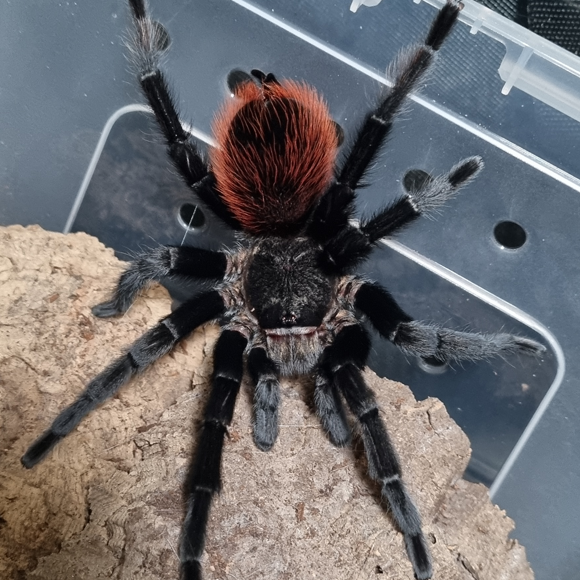

Tliltocatl vagans
Price range: £8.00 through £50.00
Digs like an amateur archaeologist, webs only when necessary, and appears just often enough to remind you who really chose this enclosure.
Tell me when it is available
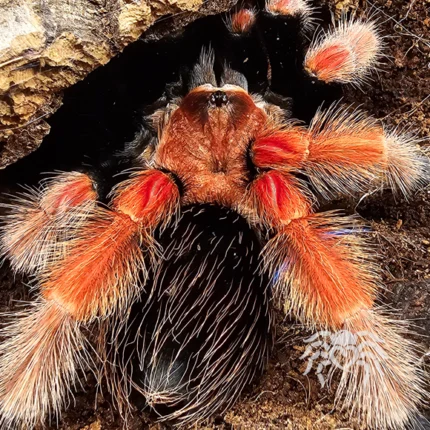
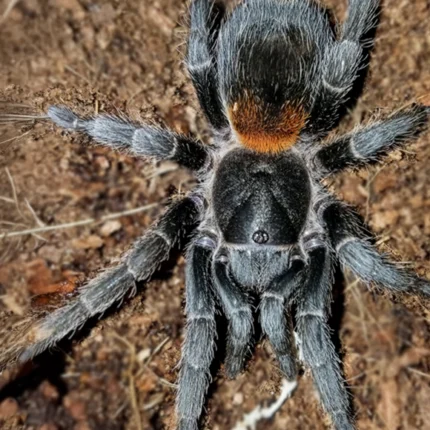
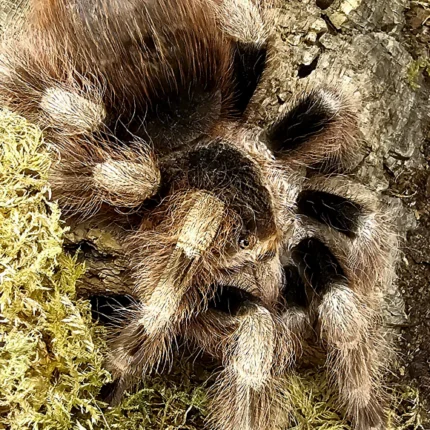
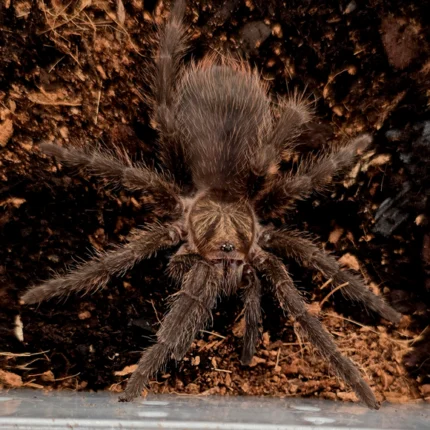
Tliltocatl vagans, better known as the Mexican Red Rump, is one of those species that justifies its reputation as a solid starter for any keeper—not least those with a soft spot for digging spiders. Originating from Mexico and nearby Central American countries, they favour forest floors and occasional savannah, making themselves thoroughly at home among leaf litter and under logs. In captivity, expect similar habits: digging, redecorating, and occasionally vanishing entirely to sulk in a newly constructed burrow.
They mature into a moderate size—adults generally span 12–15 cm, with females showing the bulk and the longevity (15–20 years isn’t unusual, provided you keep things sensible). Males, on the other hand, are leggier, daintier, and noticeably short-lived by comparison. Growth is measured—slings will test your patience, but a slow-and-steady approach means fewer surprises.
Despite their burrowing streak, adult Red Rumps often display themselves, particularly after a good meal. They’re not climbers, and most webbing serves a practical, minimalist purpose: expect a silk door or trip lines at most, not elaborate tents. Their temperament sits comfortably in the ‘generally unbothered’ camp, though, like most Brachypelma types, they’ll flick hairs first and ask questions later if unduly harassed. Bites are rare and only if you’ve really been pushing your luck.
Enclosure-wise, it’s hard to go wrong with plenty of substrate—10–15 cm minimum—alongside a cork bark hide and a scattering of leaf litter. They aren’t fussy about British weather so long as you don’t let the environment get draughty, icy, or swampy. Humidity ought to sit around 60–70%, but these spiders forgive the odd fluctuation. Feeding is classic: slings tackle micro crickets or pre-killed prey, while adults rarely turn down a decent cricket or locust. Overfeeding is unnecessary (unless you find a pot-bellied tarantula amusing).
All in all, Tliltocatl vagans is a practical choice that rewards patience with longevity and quietly entertaining behaviour—a proper working tarantula if you fancy watching a builder at work rather than an acrobatics display. Expect the odd disappearing act, a bit of hair flicking, and more digging than Harry Houdini on a sugar high.
Only logged in customers who have purchased this product may leave a review.
Species breeding reference
Breeding Notes
Breeding Tliltocatl vagans is doable for most, as they're quite forgiving and breed readily under the right conditions. Pairing tends to go smoothly, and females are known to make decent mothers. Stick to good routine care, a gentle bump in humidity, and patience around sac times—and you'll likely have a wriggling pile of red rumps in no time.
Wild Breeding Season
Tliltocatl vagans likely breeds as the rains start to roll in after a stretch of drier months. The beginning of the wet season seems to get the romance going, which in Central America usually means late spring to early summer.
Wild Environmental Triggers
A decent rise in humidity and the first steady rains seem to nudge these tarantulas into breeding mode, so those balmy, slightly muggy conditions work their magic after a drier spell.
Native Climate Context
Native to tropical bits of Mexico, Belize, and neighbours, Tliltocatl vagans comes from places with warm temperatures much of the year and pronounced wet and dry seasons—think 23–28°C with big humidity bumps once those summer rains kick in.
Captive Breeding Window
Most success stories in the hobby point to pairing attempts from late spring through summer, with slightly increased humidity and a bit of extra substrate moisture mimicking the start of their natural wet season.
Pre-pairing Conditioning
Giving both male and female a good meal or two before any introduction is wise, along with making sure the female has a fresh burrow and the enclosure is lightly moistened—think post-dry season, pre-thunderstorm vibes.
Male Introduction Guidance
Introduce the male after dark, ideally at the entrance to the female's burrow or hide. Supervised introductions are key—Tliltocatl vagans is typically tolerant, but keep feeding tongs handy in case she gets nippy. Remove the male if he seems too nervous or if the female shows no interest after a reasonable attempt.
Female Readiness Signs
Females that are receptive often linger near the entrance of their burrow at night and show curiosity rather than aggression when the male taps. Recent moults are usually a good sign she's ready, provided enough recovery time has passed and her abdomen is well-rounded.
Post-pairing Conditions
Leave the female undisturbed after a successful mating, other than regular feeding and gentle spot checks. Maintain slightly higher humidity—just enough for the air and substrate to feel fresh and lightly damp, not soggy.
Sac Timeline
If pairing takes, females may take anywhere from 4 to 8 weeks to lay a sac. Once she's laid, expect another 6 to 8 weeks before spiderlings begin to emerge, though times can vary a fair bit between individuals.
Incubation Notes
Most leave the egg sac with the female for at least a month, then pull it for artificial incubation if needed. The sac should be kept at around 24–26°C with gentle, consistent humidity—turning it gently once or twice a day to avoid clumping if you're doing it by hand.
Expected Sling Count
Sac sizes are quite variable, but you're typically looking at anywhere from 200 to 800 spiderlings, with the occasional larger clutch in experienced hands.
Risks and Cautions
While Tliltocatl vagans is usually straightforward, overfed or fresh-moult females might sometimes eat the male or the sac, so supervision is wise. Keep enclosures secure to avoid sling escapees—these little ones spread fast. Avoid letting things get too damp, as mold or mites are a risk for both eggs and slings.
Evidence confidence: High
UK Market Insight
Neutral UK availability and pricing context for this exact Species record.
Species care guide
Tliltocatl vagans
Adult Size
12–15 cm diagonal leg span
Temperature
21–24°C
Humidity
60–70% RH
Temperament
Red Rumps have a reputation for being easy-going, but they’re not total pushovers. Most are content to mind their own business, only showing off their defensive side if seriously bothered. They can be a bit skittish and will retreat to their hide or burrow at the first sign of trouble. Occasionally, you’ll find a more feisty individual that may kick hairs—so best not to poke and prod. Speed is moderate—they’ll bolt rather than confront, making them predictable companions for the most part. Handle with respect and you’ll get along fine, just don’t expect cuddles.
Defence
When threatened, Tliltocatl vagans usually opts for a hasty retreat, but if pressed, they’ll readily flick urticating hairs from their abdomen. These hairs can cause itching or irritation, so be mindful when cleaning or working in the enclosure—don’t go sticking your face near them! They rarely go for the classic threat pose unless seriously annoyed, and actual bites are extremely rare with proper care. It’s always wise to use long tools and keep direct contact to an absolute minimum. Respect their boundaries and you’ll avoid itchy regrets.
Visibility
This species is occasionally a master of hide-and-seek, especially as juveniles when burrowing instincts reign supreme. Adults tend to become bolder, often lounging at the entrance of their burrow or stalking about after a feed. Expect periods where your spider is ‘moving the furniture’ unseen, followed by weeks of front-and-centre display, particularly after a good meal or before moulting. They’re not as secretive as some fossorial species, and with the right enclosure, you’ll catch plenty of glimpses—just don’t expect constant action. Half the fun is seeing who blinks first on feeding day.
Experience Level
Tliltocatl vagans is fantastic for beginners with a dash of curiosity, patient intermediates, and any keeper who enjoys an interactive digger. Their forgiving nature—temperature, humidity, and feeding—offers plenty of leeway for new keepers. They tolerate the odd husbandry wobble and don’t require finicky maintenance, though they do reward thoughtful, natural setups. Absolute beginners should read up on burrowing species, as a sudden disappearance can give newbies a fright. All in all, they’re a robust, rewarding choice that helps new hobbyists gain confidence.
Webbing
While they’re not exactly the master weavers of the spider world, Tliltocatl vagans uses silk in clever ways. Most webbing ends up around the entrance to their burrow or hide, creating trip lines and a snug door, sometimes even sealing themselves in before a moult. You’ll spot delicate silk mats where they rest or eat, but don’t expect aerial showpieces. Webbing is sparse but purposeful—think minimalism, not maximalism! Watching them remodel is a treat, and when you see them laying silk, a moult or other grand event might be on the horizon.
Feeding
Slings will happily take pre-killed or chopped up prey like micro crickets, fruit flies, or small mealworms every 3–5 days. Juveniles step it up to live micro or small crickets, locust hoppers, or suitably sized roaches every 5–7 days. Adults appreciate a sizeable meal once a week or so—a locust, adult cricket, or roach will do nicely. Feeding response is typically enthusiastic; Red Rumps are rarely fussy and are known to pounce on any unfortunate intruder. Avoid overfeeding adults (nobody needs a spider with a muffin top!) and always remove uneaten prey within 24 hours, especially before a moult. Overzealous feeding can lead to fasting or stress. Variety in the diet keeps your spider healthy and interested.
Enclosure Recommendations
A roomy, escape-proof plastic or glass enclosure with secure lid is essential. Aim for about three to four times the spider’s leg span in floor space—30×30 cm is great for adults, as height isn’t hugely important. At least 10–15 cm of loose, diggable substrate (coco fibre, topsoil, or a mix) lets them satisfy their burrowing urges. Add a sturdy cork bark hide and scatter some leaf litter for a natural look. A shallow water dish should be present at all times—keep it clean and topped up. Good cross-ventilation prevents stagnant air. Avoid overly moist setups; a slight dampness is ideal. For slings, a deli cup with plenty of substrate, tiny air holes, and a small hide works perfectly.
Final Thoughts
Tliltocatl vagans is a genuine crowd-pleaser: easy to care for, good-looking, and just active enough to keep things interesting. Their adaptability means they forgive the odd husbandry hiccup, making them a fine choice for beginners and seasoned hobbyists alike. The combination of burrowing antics, vibrant red rump, and classic tarantula looks puts them near the top of everyone’s wish list. They aren’t as flashy as some, but make up for it with sturdy personalities and reliable behaviour. A forgiving, rewarding spider—just keep your tweezers handy for those hair-flick moments, and you’re in for years of eight-legged enjoyment.
Species-specific FAQs are not available yet.
Related products


Reviews
There are no reviews yet.