


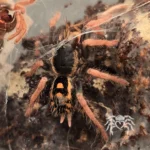
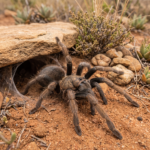
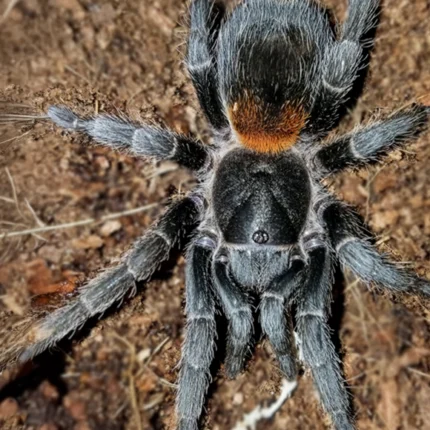
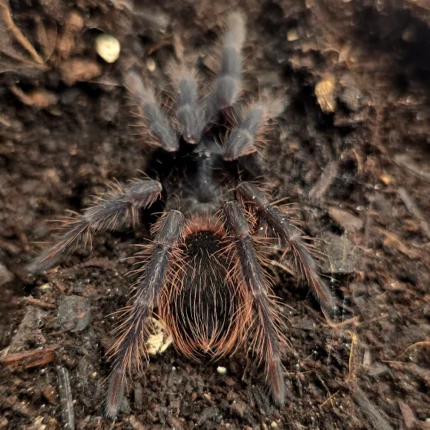
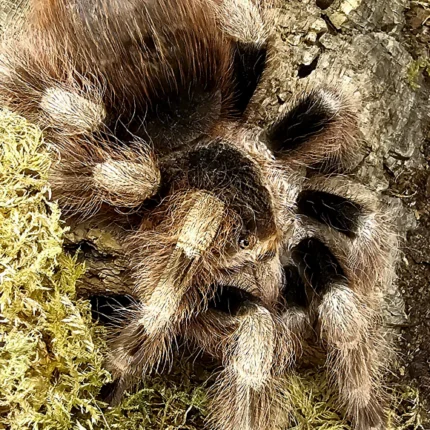
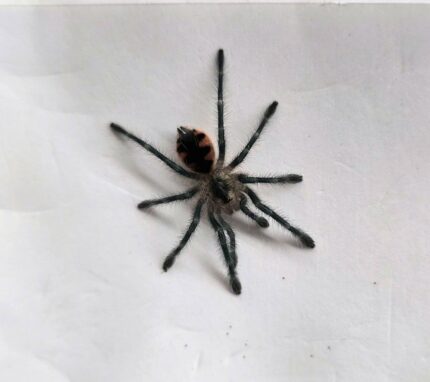
Lasiodora striatipes
Price range: £15.00 through £100.00
Wanders about like it owns the place, then indignantly flicks hairs if interrupted—subtlety never was L. striatipes’ strong suit, but visibility is rarely an issue.
Tell me when it is available
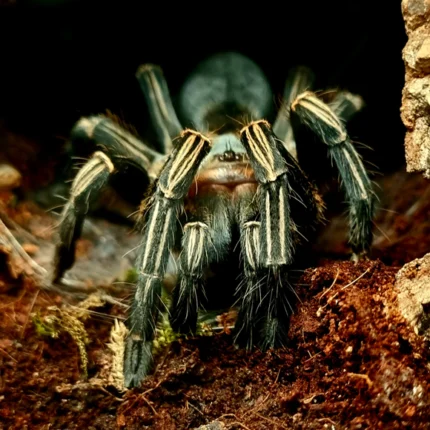
Lasiodora striatipes is one of those species that does exactly what it says on the tin—large, bold, and occasionally disposed to redecorate their entire enclosure overnight. Originating from Brazil’s subtropical and tropical rainforests, these terrestrial spiders make themselves at home with a mix of gentle burrowing and open-air lounging, ideally with a damp corner and enough space to stretch out all 18 centimetres’ worth of legs.
In terms of personality, L. striatipes earns its reputation as one of the hobby’s true gentle giants. Generally placid, they’re not above a flick of urticating hairs should you overstep your welcome (or if you move their log for the umpteenth time). Speed is mostly moderate; you’re unlikely to see fireworks unless genuinely startled, but always treat large terrestrials with a degree of respect—a stressed striatipes isn’t nearly as relaxed as its usual demeanour suggests.
Humidity and warmth are key, much as you’d expect for a Brazilian native. Aim for 65–75% humidity with a deep, part-moist substrate and a sturdy water dish. Heat should sit around 22–26°C in the day, with a slight drop at night—good ventilation is vital if you don’t want to cultivate mushrooms as well. Avoid letting the substrate dry out entirely or things will turn surprisingly cross.
Growth is brisk in the first couple of years, so don’t get too attached to their ‘sling’ phase—juveniles rapidly put on size with regular feeding and upgraded quarters. Mature females can reach that much-vaunted dinner plate spread, while males rarely make old bones, often bowing out after a final adult moult within 3–5 years. Females are a longer-term project, sometimes living 15 years or more if you’re lucky.
Visibility is where L. striatipes comes into its own; even given a burrow, many will spend their evenings on full display, doing their best impression of a hairy bread loaf. Activity peaks at dusk, and their feeding response is notably enthusiastic—watch your fingers, and keep the camera handy.
Enclosures should be generously sized (45x45x30cm is a sensible adult minimum), escape-proof, and heavy on substrate—think 10–15cm of coco fibre or similar for digging. Furnish with a cork bark or log hide and keep décor blunt; if these bruisers trip, it’s rarely elegant. Modest silk carpets crop up here and there, mainly to anchor their patch or arrange the odd cricket banquet.
All in all, L. striatipes is ideal for anyone ready for a spider with presence, appetite and the occasional diva moment with substrate. Not strictly for first-timers, but an excellent step up for keepers who fancy something both visible and substantial—provided you don’t mind hoovering up stray hairs and the odd bolted cricket.
Only logged in customers who have purchased this product may leave a review.
Species breeding reference
Breeding Notes
Breeding Lasiodora striatipes is possible but not exactly a guaranteed success. Reports are thin, so take it slow, and be ready for the species to surprise you. Conditioning and patience are your best friends, as is a healthy fear of a cranky female on a bad day. Treat everything as cautious guidance, and don’t expect miracles on the first try. If all goes well, you’ll be up to your elbows in spiderlings sooner than you think.
Breeding information for this species is a bit thin on the ground, so this guidance is based on the best available reports, native climate clues, and sensible keeper caution.
Wild Breeding Season
For Lasiodora striatipes, the wild breeding season probably lines up with the Brazilian wet season, meaning things tend to get romantic as rainfall increases and food is on the up. Typically, this runs spring into early summer, but the exact months aren’t pinned down.
Wild Environmental Triggers
More frequent rains, a jump in humidity and warm, stable temperatures are likely the big nudges for breeding activity in the wild. Egg laying and mating might coincide with the lushest part of the year, when conditions feel just right and prey is plentiful.
Native Climate Context
This species comes from sultry Brazilian rainforests where there’s plenty of warmth and high humidity, so think 22–26°C with a good splash of rainfall and lush conditions. The changes between dry and wet seasons are modest but enough to spark cycles of activity.
Captive Breeding Window
If you’re hoping for your pair to make magic, aim to pair after a mild cool-down (a couple degrees drop for a month or two), then bump the temps and humidity up to peak rainforest for the introduction. Early spring through early summer in your spider room is a sensible mimic.
Pre-pairing Conditioning
Feed both spiders up well, especially the female, and keep them separate but comfy. Gentle cooling for six weeks can mimic the slight seasonal drop, followed by a slow warm-up and rehydration. Make sure neither is about to moult, as this puts pairings at risk. The female should look robust and freshly moulted if possible.
Male Introduction Guidance
Introduce the male into the female’s enclosure in the evening after dark, when these guys are naturally more active. Watch closely, use barriers or long tongs to separate if it looks dicey, and never leave them unattended—that hungry lady can be unpredictable.
Female Readiness Signs
A female that’s plump, alert at her burrow or hide entrance, and freshly moulted in the past couple of months is about as ready as you’ll get. She may drum or come to investigate rather than dash for cover. If she’s actively defensive and hasn’t moulted in a while, she’s probably not in the mood.
Post-pairing Conditions
Once they’ve met, treat her to warmth and humidity plus a very private, peaceful space so she can lay her sac if successful. Cut food for a bit and avoid major enclosure changes during this stage. Monitor but don’t fuss too much—stress can cause sac eating or abandonment.
Sac Timeline
Reliable timelines are hard to come by for this species, but generally expect anywhere from 4 to 8 weeks from pairing to sac production, and another 6 to 8 weeks for the eggs to develop. Always treat this as a ballpark—each female does her own thing.
Incubation Notes
Leave the sac with mum unless you’ve reason to believe she’ll eat it or conditions are unstable. If pulling it for artificial incubation, keep it humid but not dripping—just a light mist every few days, with good airflow and 24°C as a sweet spot. Open the sac at first sign of darkening spiderlings.
Expected Sling Count
Numbers aren’t well documented, but like others in the genus, you could see anything from a couple of hundred to possibly over a thousand slings from a big, healthy female. Be prepared for an army, not a handful.
Risks and Cautions
Pairings can be tense, and cannibalism isn’t unheard of—never leave them unsupervised. Males should be well-fed and ready to make a quick exit. Watch both for signs of impending moult, as mis-timed pairing can be fatal. Early sacs can be eaten or abandoned if conditions slip or the female feels threatened.
Evidence confidence: Low
UK Market Insight
Neutral UK availability and pricing context for this exact Species record.
Species care guide
Lasiodora striatipes
Adult Size
15–18 cm leg span
Temperature
22–26°C
Humidity
65–75% RH
Temperament
Lasiodora striatipes has a reputation as a gentle giant—usually docile, but never shy to flick a cloud of urticating hairs if you annoy her. Speed varies; most individuals lumber around, but when startled they can shift gears alarmingly quick. While they rarely threaten a defensive posture, always respect their space (and those hairs!) and keep interactions minimal. You’ll find them bold, out in the open, and generally happy to let you admire their leggy splendour as long as you don’t invade their personal bubble.
Defence
Like most New World tarantulas, L. striatipes prefers to fire up its bottom arsenal, flicking irritating urticating hairs at perceived threats instead of biting. These hairs can cause skin irritation (and are best kept away from the eyes—ask us how we know). If you insist on fussing about in their enclosure, wear gloves, avoid fast, jerky movements, and let the spider know you’re not, in fact, a giant bird. Biting is a last resort, but let’s not test that theory.
Visibility
Lasiodora striatipes are true extroverts by tarantula standards. Even when provided with a perfect burrow, many spend their evenings perched regally out in the open, ready to show off their burly legs and fluffy abdomens. They’re most active at dusk, but don’t be shocked to find your spider strutting around at any hour. Their bold nature and willingness to display make them fantastic show spiders—a feast for the eyes and a conversation starter for spider-curious guests!
Experience Level
Thanks to their generally tolerant nature and hardy constitution, L. striatipes are a prime pick for confident beginners or any keeper looking to up their game with a larger terrestrial species. Just be ready for their potential size and appetite! If you’re fearless about the idea of cleaning up after what’s essentially a hairy dinner plate, you’ll get on famously. Intermediate and advanced keepers also love them for their display value and robust feeding response.
Webbing
While not as webby as their arboreal cousins, L. striatipes does like to put down occasional silk carpets for their dinner guests—mainly around the entrance to their hide or burrow. Expect some modest webbing to anchor their territory and help sense vibration from prey. They’re more decorators than construction workers, so your enclosure furniture won’t get entombed, but you’ll definitely see the odd silk mat, especially after a moult or freshly laid substrate.
Feeding
Lasiodora striatipes has an appetite that would make a Labrador blush. Slings should be given appropriately sized prey (pre-killed if necessary) every 4–5 days. Juveniles can handle small crickets, mealworms, or roaches 1–2 times per week. Once adult, a hearty meal every 7–10 days keeps them content—a large cricket, dubia roach, or a couple of morio worms will be welcomed with a dramatic pounce. Don’t overfeed, as obesity is a thing even for spiders. If the abdomen looks comically large, skip a meal or two. Always remove uneaten food within 24 hours and never feed during a moult or if the spider is in premoult. Bonus tip: watching L. striatipes tackle dinner is half the joy of keeping them, so bring popcorn.
Enclosure Recommendations
A sizeable terrestrial enclosure is best—a 45x45x30 cm terrarium works well for full-sized adults, with side ventilation to keep air fresh but not drafty. Offer at least 10–15 cm of firmly packed substrate (coco fibre or topsoil mixes are ideal) so they can burrow to their heart’s content. Add a cork bark hide, a broad water dish, and a bit of fake greenery for aesthetics (or real plants if you’re feeling fancy). Avoid sharp décor—they won’t appreciate impromptu leg piercings. Ensure the enclosure is escape-proof (these are expert climbers in a pinch) and keep cleaning routines regular, especially given their hearty appetites.
Final Thoughts
Lasiodora striatipes is a true superstar for those who appreciate a spider with size, presence, and just the right mix of attitude and chill. Their bold displays, voracious feeding response, and relative hardiness make them a fantastic ambassador for the hobby—just don’t expect to handle them! Expect to be both awed and occasionally bemused by their burrowing antics, defensive hair flicks, and tendency to grow like weeds after a rainstorm. If you can make peace with stray urticating hairs and a messy eater, this Brazilian behemoth will quickly become a centrepiece in your collection, offering years of entertainment and admiration.
Species-specific guidance
Frequently Asked Questions
Is Lasiodora striatipes suitable for beginners?
Lasiodora striatipes is a great option for confident beginners wanting to step up to a large terrestrial tarantula. They're generally hardy and tolerant, with a docile temperament, making husbandry straightforward. Just be prepared for their notable size and appetite! The Spoodoire does not endorse handling of any tarantula, so enjoy them as an impressive display species.
What is the temperament and typical defence of Lasiodora striatipes?
Known as gentle giants, Lasiodora striatipes is usually docile but will flick urticating hairs if annoyed. Biting is a last resort. While mostly bold and out in the open, always respect their space, wear gloves when needed, and avoid handling. The Spoodoire does not endorse handling of any tarantula.
How big does an adult Lasiodora striatipes get?
An adult Lasiodora striatipes can reach an impressive 15–18 cm diagonal leg span—think dinner plate size! Females tend to be chunkier and larger than males, which are more streamlined. Their striking size is a highlight for keepers who enjoy substantial display tarantulas.
How fast does Lasiodora striatipes grow and how long do they live?
Lasiodora striatipes grows at a medium to fast rate, especially as juveniles. With regular feeding and proper warmth, they quickly bulk up. Females can live 12–15 years or more in captivity, while males have a much shorter lifespan of about 3–5 years, which is typical for the species.
How should I feed Lasiodora striatipes at different life stages?
Slings appreciate small prey every 4–5 days. Juveniles enjoy small crickets or mealworms 1–2 times a week. Adults thrive on a large meal every 7–10 days—a cricket, dubia roach, or morio worms work well. Avoid overfeeding, and never offer food during moulting or premoult. Remove uneaten prey within 24 hours to prevent problems.
What humidity and moisture does Lasiodora striatipes need in captivity?
Lasiodora striatipes thrives at 65–75% humidity. Maintain this with deep, moist substrate and a water dish. It’s important not to swamp the enclosure—just keep the lower substrate layers damp and let the top dry out occasionally. Good ventilation is essential to prevent mould and mites. Refill and clean the water dish regularly.
What type of enclosure is best for Lasiodora striatipes?
Provide a spacious terrestrial enclosure—about 45x45x30 cm for adults—with at least 10–15 cm of compacted substrate for burrowing. Add a cork bark hide, broad water dish, and safe décor without sharp edges. Side ventilation keeps air fresh. Double-check that the enclosure is escape-proof, as they are stronger than they look!
Is Lasiodora striatipes a webby or fossorial tarantula, and will I see it often?
Lasiodora striatipes is a terrestrial tarantula with a love for shallow burrowing and occasional digging. While not heavy webbers, they lay silk around their hide or burrow entrance. You’ll often spot them lounging out in the open, especially at dusk, making them a fantastic display species even for guests new to spiders.
Related products

Reviews
There are no reviews yet.