

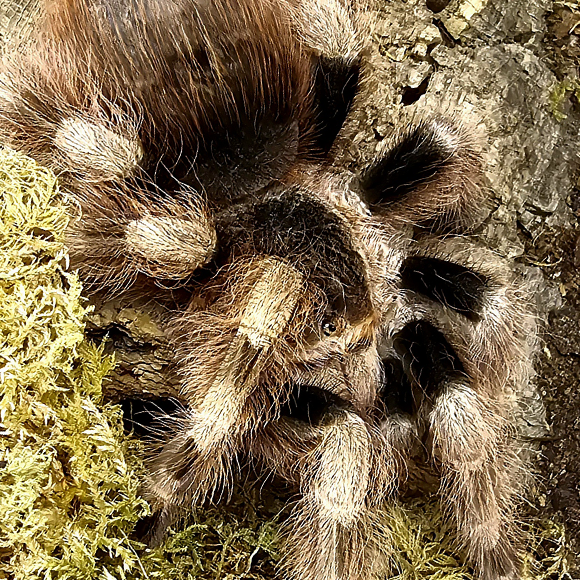
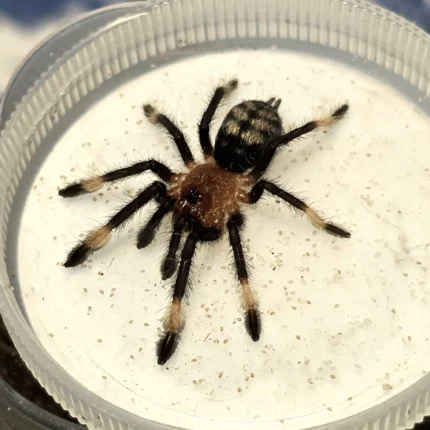
Nhandu coloratovillosus
Price range: £6.00 through £25.00
Struts about like it owns the place, only pausing to flick a hair or redecorate with a modest patch of webbing. Not big on drama, unless it’s dinnertime or you meddle with its hide.
Tell me when it is available
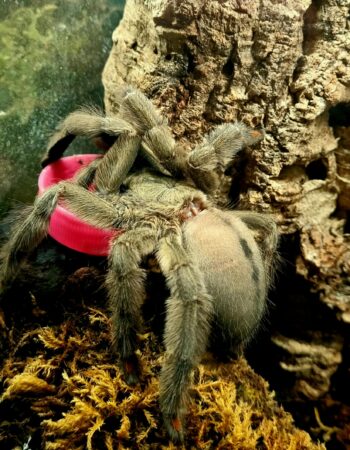
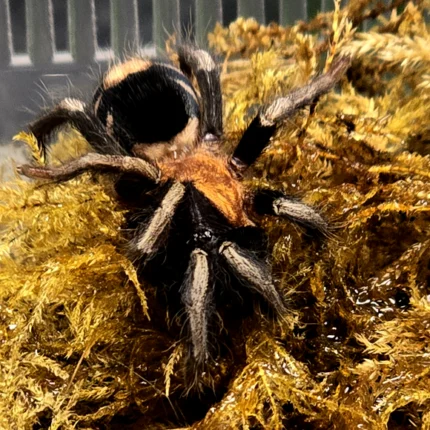
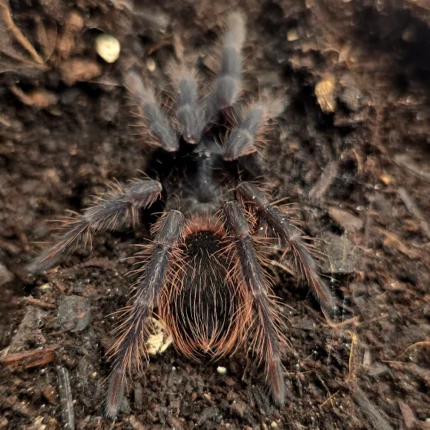
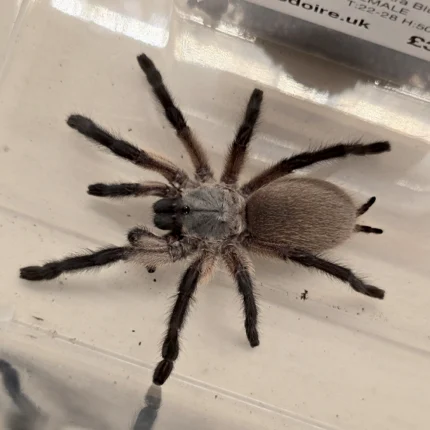
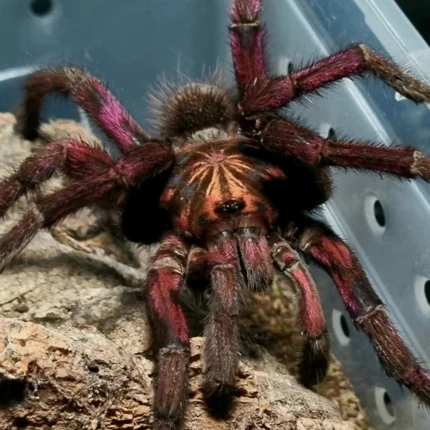
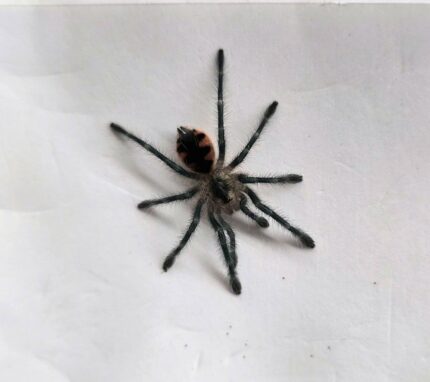
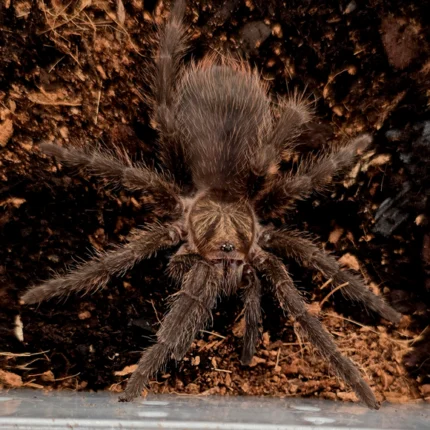
Nhandu coloratovillosus is what you get when you cross a tarantula with a bit of flair for the dramatic. Native to the Brazilian savannas, this is a hearty, firmly terrestrial species—grown adults almost always on show, unless caught mid-moult or suddenly bashful. Juveniles might dabble in burrowing, but most of the action happens above ground, with the odd redecorating spree (expect substrate movement—never where you left it).
Size-wise, adult females hit a leg span of 15–17cm and carry a fair bit of heft, while males tip more towards the leggy, lighter side and rarely manage such presence. Don’t expect marathon longevity from the gents, but a pampered female could stick around for 12–15 years, or more if you treat her to a stress-free existence. Growth, especially in the early years, keeps things interesting without being overwhelming.
They’re not fussed about tropical climates—21–25°C will do nicely, the sort of range you’d find in most British living rooms. If things get chilly in winter, a discreet heat mat works. Humidity wants to sit around 60–70%; you’ll need a faintly damp substrate and a wide water dish, but avoid anything swampy. Good ventilation is key. They’re generally bold (sometimes brazen), more likely to kick urticating hairs with gusto than to bolt or hide. Not aggressive, but certainly not shy. Worth keeping your face out of the line of fire when fiddling in the enclosure—those hairs are more annoying than dangerous, but still best avoided.
Webbing is mostly functional: a silk carpet here, a moult mat there. Don’t expect architectural wonders. Visibility is a real strength—these are excellent display spiders, rarely out of sight except for pre-moult or if you’ve offended their sense of décor. Feeding is straightforward, with slings, juveniles and adults all following the usual rota of crickets, roaches or occasional mealworms, just don’t overdo it. They’ll let you know if they’re hungry—often with enthusiasm that borders on the theatrical.
An adult enclosure (about 40x30x30cm) suits them perfectly. Add a decent depth of substrate, a cork hide, and keep it simple for cleaning purposes. Not an ideal first tarantula, given their love of hair-flicking and bold attitude, but hardy and rewarding for the keeper looking to upgrade from the ultra-docile types. If you want a spider with character who won’t spend its life in hiding, this one’s difficult to top.
Only logged in customers who have purchased this product may leave a review.
Species breeding reference
Breeding Notes
Nhandu coloratovillosus isn’t the trickiest of South American terrestrials to breed, but it isn’t a walk in the park either. Success tends to follow careful timing, solid conditioning, and low-stress pairing setups. Key points are mimicking the shift from wet to dry season, ample feeding for females, and providing lots of cover. Expect clutch and development timings to be a bit variable, as data is less complete than for some other common Nhandus. With patience and care, though, it’s certainly achievable for those with a few breedings under their belt.
Wild Breeding Season
Breeding activity in the wild likely follows the seasonal rains, with mating probably ramping up near the end of the wet season and young emerging as the weather shifts drier. This usually ties in with warmer months, but precise month ranges for this species are not nailed down.
Wild Environmental Triggers
Seasonal rains and the boost in humidity signal the start of breeding. Once the wet season winds down and food is plentiful, these triggers prompt the spiders to seek out mates and females to prepare for eggsac production. Drier, more settled periods often follow successful pairings.
Native Climate Context
Native to Brazilian grasslands with a marked wet and dry season, this tarantula is accustomed to warm temperatures year-round (mostly 24–26°C), high humidity during the rains, and drier air with slightly reduced humidity in the dry season. Enclosed conditions should nod to these natural swings.
Captive Breeding Window
Pairings seem most successful when staged after a simulated wet season—up the humidity and perhaps offer extra feeds for a month or two, then gradually let things dry out to mirror the natural climate as you put the pair together. There’s no rigid calendar, but spring to early summer often matches their instincts best in a typical UK setup.
Pre-pairing Conditioning
Build up the female with steady feeds and a gentle bump in humidity (but never boggy). Wait until she's plump and freshly moulted, then let her settle for at least a month post-moult before introducing a male. A slight increase to enclosure moisture helps set the scene, but keep up with good ventilation.
Male Introduction Guidance
Introduce the male in the evening, ideally after a few days in close proximity enclosures so the pair can pick up on each other's presence. Have dividers or soft barriers ready in case the female gets overly defensive—Nhandus aren’t quite as forgiving as some, so never take your eye off them during intros. A well-fed, calm female is less likely to treat the male as a snack.
Female Readiness Signs
A female that’s plump, has recently moulted, and is actively leaving webbing often signals she’s ready. She may become more visible and less reclusive in the weeks leading up to mating attempts. Always wait for a solid period post-moult to avoid risks.
Post-pairing Conditions
After pairing, keep conditions steady—don’t let it dry out entirely, but do dial back humidity a tad from pairing peak. Provide plenty of cover and mark the enclosure for minimal disturbance. Resist the urge to peek; females can be jumpy and sensitive to vibrations at this stage.
Sac Timeline
Eggsacs are typically produced within 4–8 weeks of a successful pairing, with spiderlings often emerging about 6–8 weeks after the sac is laid. However, this can vary and is not as precisely documented as for some genus mates.
Incubation Notes
Leave the eggsac with the female unless she seems stressed or at risk of eating it. If you must pull the sac, keep it in gentle, steady warmth (around 25°C) with lightly humid air but not excessive damp. Good airflow is crucial—mould is the enemy.
Expected Sling Count
Results do vary quite a lot, but clutches of 100–500 spiderlings have been reported. Brood size can depend on the female’s age, health, and just a bit of random luck.
Risks and Cautions
Females can be rather protective of their eggsacs, sometimes eating them for reasons unknown—stress, too much disturbance, or not enough privacy. Males may not always survive introductions and are occasionally dispatched if the female isn’t receptive. Humidity swings or stale air invite mould and failed sacs, so stay on top of enclosure maintenance. If in doubt, err on the side of caution with every step of the process.
Evidence confidence: Medium
UK Market Insight
Neutral UK availability and pricing context for this exact Species record.
Species care guide
Nhandu coloratovillosus
Adult Size
15–17 cm leg span
Temperature
21–25°C
Humidity
60–70% RH
Temperament
Nhandu coloratovillosus is a tarantula with attitude (and eyebrows). They’re generally confident, bold spiders who won’t run at the first sign of movement. But, and this is a key ‘but’, they are quick to kick hairs when annoyed and can be quite food-responsive during mealtimes. Not aggressive—just cheeky with a hint of drama. Expect them to stand their ground, make a fuss if their turf is invaded, and occasionally give a sprint if startled. Be respectful, move slowly, and you’ll get on famously.
Defence
If the Nhandu coloratovillosus had a motto, it would be ‘Kick first, ask questions later’. They’re infamous for their vigorous urticating hair flicks—the tarantula equivalent of glitter bombs—when bothered. These hairs can be itchy or irritating, especially if they reach your skin or, heaven forbid, your eyes. Always work gently in the enclosure, keep your face well clear, and wash hands after doing any maintenance. They rarely bite, but there’s no need to tempt fate.
Visibility
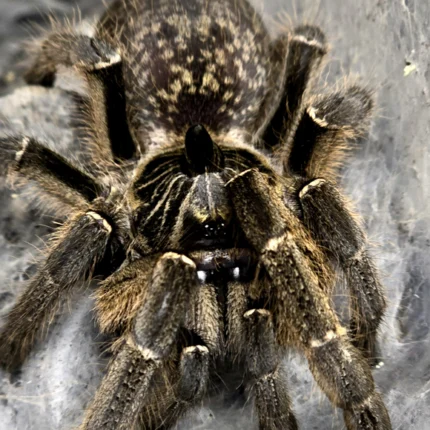
Unlike the shy and retiring types, Nhandu coloratovillosus are often out and about—making them excellent display spiders. You’ll frequently find yours perched right in the middle of its enclosure or merrily redecorating like it’s competing on ‘Tarantula’s Got Talent’. They do hide away during moults or if spooked, but are much more visible than many New World terrestrials. Day or night, you’re likely to catch them showing off those snazzy stripes.
Experience Level
Thanks to their bold personality and ease of care, Nhandu coloratovillosus is suitable for hobbyists with a bit of experience under their belt—think confident beginner or intermediate. Their defensive hair-flicking means they might not be ideal as your very first spider, but they’re hardy, forgiving, and offer lots of character without being a handful (as long as hands are kept out of the enclosure).
Webbing
Not the most prolific webbers, Nhandu coloratovillosus will still lay down some silk carpets—mainly around their hiding spot or as a cosy area to moult in. Don’t expect elaborate tunnels or Halloween decorations, but you’ll spot silky patches here and there. Their webbing is mostly functional, not decorative: a soft landing zone, a way to detect prey, and a place to moult in peace. Think ‘minimalist chic’.
Feeding
Feeding this species is as straightforward as serving dinner to a hungry teenager. Slings can take on appropriately sized fruit flies or pre-killed micro crickets every 3–5 days. Juveniles step up to larger crickets, mealworm segments, or small dubia roaches twice a week. Adults appreciate a big cricket, roach, or locust every 7–10 days. Don’t go overboard—these spiders can get chunky, and consistently overfeeding slows moulting and may stress the spider. Remove leftover prey after 24 hours, especially pre-moult, to avoid hassle. Their feeding response is usually robust—sometimes enthusiastic enough to rearrange the furniture. Observe for plumpness; a slightly rounded abdomen is healthy, but beer-belly tarantulas are best avoided.
Enclosure Recommendations
Choose a secure, well-ventilated terrestrial enclosure—plastic or glass is fine, as long as there’s no escape route for eight sneaky legs. For adults, an enclosure around 40x30x30cm works well, offering room for gentle explorations. Provide at least 10–15cm of substrate (coco fibre, topsoil, or a mix) for burrowing opportunities, even if they mostly ignore it. Add a cork bark or half-log hide for privacy, and a shallow, spill-proof water dish. Keep furnishings simple to make spot cleaning easier, and avoid pointy decor. Good cross-ventilation is crucial to prevent stuffiness. Misting rarely needed if the substrate remains faintly moist—lighter for slings, heavier for adults as they grow.
Final Thoughts
Nhandu coloratovillosus is a tarantula with just the right blend of boldness, beauty, and attitude for those ready to level up from the truly placid species. With proper care, they reward you with daily sightings, vibrant black-and-white stripes, and more character than many New World terrestrials. There’s minimal webbing but plenty of rearranging, so if you enjoy watching your spider be busy (and dramatic when you offer food), you’re in for a treat. They’re not the ideal ‘starter spider’ due to those hair-flicking antics, but they’re a cracking choice for someone after a confident display species who doesn’t spend its life hiding. Put simply: they’re brilliant, brash, and beautiful—what’s not to love?
Species-specific guidance
Frequently Asked Questions
Is Nhandu coloratovillosus suitable for beginners?
Nhandu coloratovillosus, or the Brazilian Black and White, is ideal for keepers with a bit of experience—think confident beginner or intermediate. It’s hardy, adaptable, and eye-catching, but its quick hair flicking means it might not be the best choice as a first tarantula. With care and respect, it makes a fabulous display spider.
What temperament can I expect from a Nhandu coloratovillosus?
This species boasts a bold personality—confident and often visible, yet quick to flick urticating hairs when annoyed. While not aggressive, they defend their territory with some drama and are very food-responsive. Move gently in their enclosure, avoid disturbing them unnecessarily, and always watch out for those itchy hairs.
How large does an adult Nhandu coloratovillosus get?
Female Nhandu coloratovillosus can reach an impressive leg span of 15 to 17cm, sometimes more. Males are leggier and lighter but not quite as bulky. Both sexes stand out thanks to their striking black-and-white appearance and heavy build—making them true showpieces in any collection.
What is the growth rate like for Nhandu coloratovillosus?
Expect a medium-to-fast growth rate. Slings shed frequently (every couple of months), slowing as they mature. Regular feeding and warm conditions speed things along, so you’ll see your spider size up without feeling like you’re watching paint dry. Patience is still needed, but you won’t be waiting forever.
How should I feed my Nhandu coloratovillosus?
They have a robust feeding response! Start slings on tiny prey like fruit flies or micro crickets every 3–5 days. Juveniles can take larger crickets or mealworm pieces twice a week. Adults do well on a big locust or roach every 7–10 days. Remove uneaten prey promptly, especially around moulting.
What are the humidity requirements for Nhandu coloratovillosus?
Nhandu coloratovillosus prefers moderate humidity—aim for 60–70% relative humidity. Keep the substrate faintly moist but not sodden, with a large, shallow water dish always available. Allow one part of the enclosure to dry out slightly for balance, provide good cross-ventilation, and avoid heavy misting unless the air becomes dry.
What type of enclosure does Nhandu coloratovillosus need?
A spacious, well-ventilated terrestrial enclosure works best—about 40x30x30cm for adults. Offer 10–15cm of substrate for digging, a sturdy hide such as cork bark, and a water dish. Furnish simply and avoid sharp decor. Stable temperatures and moderate humidity are key, so avoid draughts or hot spots.
How visible and active is Nhandu coloratovillosus in captivity?
This tarantula is a classic display species—often seen patrolling its enclosure or rearranging substrate. Unlike shy types, it usually sits out in the open except during moults or if startled. Expect plenty of impressive viewing and the occasional bit of redecorating drama.


Reviews
There are no reviews yet.