

Phormictopus auratus
Price range: £20.00 through £130.00
Inclined to reappear just as you put the enclosure lid back on, then proceeds to flick hairs if you question its bold redecorating during late-night prowls.
| Weight | 100 g |
|---|---|
| Dimensions | 16 × 16 × 16 cm |
Tell me when it is available
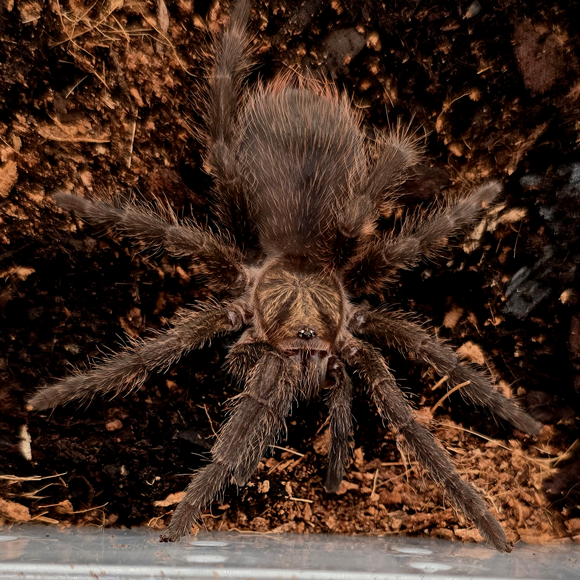
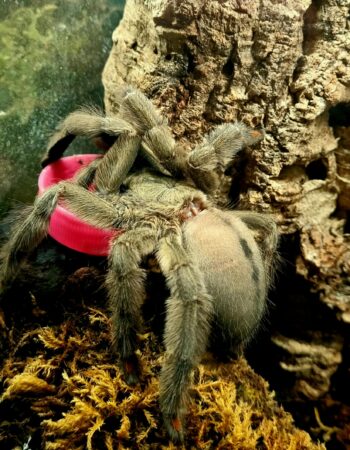
Phormictopus auratus hails from the warm climes of Cuba and the Caribbean, and rather looks as if it knows it. This terrestrial tarantula prefers life on or just under the surface, with juveniles occasionally burrowing if the mood takes them, and adults adopting a more ‘move the furniture about’ approach. They’re not known for shyness — as long as there’s a reliable hide, expect adults to spend a fair amount of time visible, especially once they’ve redecorated to their standards.
Don’t be fooled by the leggy males; the females pack more bulk and can reach an impressive 15–18 cm diagonal leg span. Males tend towards a flashier, waifish figure — briefly. Females might well outlast your phone and your patience with TikTok, with 12–15 years a realistic span, while the gents make their exit after 3–5. Growth is brisk by tarantula standards, assuming you keep them topped up with food and Caribbean-appropriate warmth at 23–26°C.
Humidity sits at a manageable 65–75%, but there’s no need for a swamp — a lightly moist substrate and sensible cross ventilation keep both spider and keeper happy. A large water dish doesn’t hurt, nor does the occasional overfill to suit local preferences. They’re not drama llamas, but probably not ideal for first-timers either; expect a moderately feisty temperament and a tendency to flick urticating hairs if you overstep the mark. Respect their space and you’ll enjoy a bold, well-displayed spider with that unmistakable golden sheen on show most evenings.
Feeding is rarely an issue — slings will clear up pre-killed prey two or three times per week, while adults develop a feeding response reminiscent of a midnight fridge raid. Don’t overfeed or you’ll end up with a spider you could roll down a hill; leave morsels no longer wanted or you’ll soon know about it. For enclosures, your average 30 x 30 x 30 cm terrestrial set-up suits adults nicely, with 10–15 cm depth for substrate and plenty of hide options. Cork bark, leaf litter, some modest fake plants, and ample cross ventilation all round things out.
Never one for thick curtains of web, they’ll still silk up doorways and pathways, so don’t be surprised if your fingers set off the perimeter alarm on cleaning day. For the intermediate keeper after something solid, good-looking, and not shy about putting its opinions forward, Phormictopus auratus has plenty going for it — provided you’ve a decent pair of long tweezers and a respect for Caribbean attitudes.
Only logged in customers who have purchased this product may leave a review.
UK Market Insight
Neutral UK availability and pricing context for this exact Species record.
Species care guide
Phormictopus auratus
Adult Size
15–18 cm diagonal leg span
Temperature
23–26°C
Humidity
65–75% RH
Temperament
P. auratus has a bit of that Caribbean spice! While not typically as temperamental as some Old World brutes, they are considered mildly defensive and not shy about voicing their displeasure via a good hair flicking. They can be feisty, especially when startled or hungry, but with sensible husbandry and respect for their space, you’ll probably avoid any soap opera-level drama. They’re moderate in speed: not lightning bolts, but don’t expect them to shuffle about like a pet rock either. Treat them with care, and you’ll have a lively (but generally manageable) roommate.
Defence
Defence is a two-fold affair—firstly, P. auratus is more likely to kick up urticating hairs rather than resort to a threat pose, especially if you’re poking about in their house uninvited. Their hairs can irritate sensitive skin or cause sneezing fits, so best keep your snout and hands away from the action. If pushed, they might display or even bolt, but bites are exceedingly rare with sensible husbandry. A long set of tweezers and a chilled-out approach are your best friends when performing maintenance.
Visibility
One of the joys of keeping P. auratus is their decent visibility! Unlike those shy burrowers, this species spends plenty of time out in the open, especially in the evening or after a spot of redecorating. Juveniles may be more elusive and prone to digging, but adults often claim a hide yet don’t mind hanging out in plain sight. If you enjoy watching your pet prowl about (and occasionally rearrange the furnishings), this tarantula won’t disappoint. Top marks for display value—especially when that golden sheen catches the light.
Experience Level
P. auratus is best suited to those with some prior tarantula experience—let’s say intermediate keepers and up. Their speed, humidity requirements, and occasional feistiness can challenge newbies, but with solid research and a steady hand, they are manageable. If you’ve kept a couple of beginner species and fancy a bolder, larger spider with more personality, you’re ready for the next step. Just remember: respect their moods and upgrade those maintenance tools!
Webbing
Phormictopus auratus isn’t an Olympic web-spinner, but they’ll lay down a reasonable layer of silk to mark territory, anchor themselves, and decorate their lair. Expect ‘carpet’ webbing along their chosen pathways or around their hide, rather than the dense tunnels made by some New World species. They use web to signal their presence—watch for little trip-lines near their front door, which double as a home security system and a ‘Do Not Disturb’ sign for the unwary cricket.
Feeding
These tarantulas are not known to turn down a meal! Slings will happily take on appropriately-sized prey such as pre-killed mini mealworms, pre-crushed crickets, or fruit flies, and can be offered food 2–3 times a week. Juveniles and adults will gobble up crickets, dubia roaches, locusts, and the odd mealworm every week to ten days. P. auratus has a voracious feeding response—sometimes lunging at food with the gusto of a midnight fridge raid—so keep fingers out of harm’s way. After a moult, give them at least a week before resuming feeding. Overfeeding can lead to a rather rotund tarantula, so don’t go overboard—aim for a well-fed, but not bursting, spider. Don’t leave prey in the enclosure for extended periods if ignored, as rotting bug bits don’t add to the Caribbean vibe.
Enclosure Recommendations
For slings, start with a small, escape-proof container with good ventilation and enough depth for burrowing (about 2–3 cm). Adults need a terrestrial enclosure measuring at least 30 x 30 x 30 cm, with more floor space for those who like to roam and remodel. Lay down 10–15 cm of moisture-retentive substrate to accommodate the occasional burrower phase. Add a sturdy hide (cork bark tubes are popular), plenty of leaf litter or fake plants for cover, and a decent-sized water dish for sipping and humidity. Ventilation is key—side vents are ideal—as this species doesn’t appreciate muggy, unventilated boxes. Don’t crowd them with décor, but give a bit of complexity to keep those golden toes active.
Final Thoughts
Phormictopus auratus is a real showpiece, combining impressive size and that eye-catching golden bling with just enough attitude to keep things interesting. They’re not as moody as some Old World heavyweights, but not as placid as your average curly hair, either—they strike a great balance for intermediate hobbyists. Their feeding response, visibility, and bold colours make them a rewarding centrepiece, while their manageable care requirements offer a straightforward (but not totally hands-off) experience. Handle with care, arm yourself with long tweezers, and enjoy years of captivating antics from an underrated New World beauty.
Species-specific FAQs are not available yet.
Related products


Reviews
There are no reviews yet.