

Species Care Guide
Hapalopus formosus
Pumpkin patch tarantula
Also known as: Colombian pumpkin patch, pumpkin patch
Last updated: July 2, 2026
Buy this species
Origin
Hapalopus formosus, the charming Pumpkin Patch Tarantula, is a native of Colombia’s balmy lowland forests. Imagine thick leaf litter, soft soils, and enough humidity to keep the air fresh but not sauna-like. It’s the sort of place where these little spiders can thrive, burrowing beneath rotting logs, tangled roots and mounds of bark. The climate is reliably warm year-round, with just enough rainfall to keep things comfortably moist—never boggy. Mild seasonal changes keep life interesting, but there's no harsh winter or dry season. In short, it’s a paradise for a tarantula, full of organic debris and hiding spots to explore and claim. Replicating the feel of Colombia’s forest floor in captivity goes a long way to making these cheeky arachnids feel right at home.
Adult Size
Don’t let their big personality fool you—Hapalopus formosus remain delightfully petite. Adult females typically reach around 7–9cm (around 3–3.5 inches) in diagonal leg span, making them pocket rockets rather than dinner-plate denizens. Adult males can be a spot smaller and noticeably leggier. They don’t make the leap to giant status but full-grown Pumpkin Patches seem to have no idea how tiny they are! Their compact size means they don’t need huge enclosures and can be very easy to accommodate, especially for those with limited shelf space or partners keeping count of spider tanks!
Lifestyle
Pumpkin Patch Tarantulas are classic ground-dwellers with a fondness for burrowing – they’re not going to be scaling glass like Spiderman any time soon! Youngsters especially love to dig, while adults may set up shop beneath a leaf or bit of bark and create a tidy silk retreat. In captivity, they will construct shallow burrows or use any nook or cranny that provides cover. They're often active at the surface, especially in the evenings, so you actually stand a chance of seeing them strut their stuff. A thick layer of substrate, plus a bit of clutter for cover, and they’ll be busy little architects in no time. A joy to watch and not too prone to vanishing acts.
Lifespan
Females of the species are in it for the long haul, clocking up between 8–10 years in captivity when well cared for. Males, on the other hand, follow the all-too-familiar tarantula pattern—growing quickly, maturing fast, and heading into old spiderhood at just 2–3 years. It’s a bit tragic for the blokes, but nature has its ways. As always, a clean setup, regular feeding, and sensible climate control go a long way to ensuring your Pumpkin Patch enjoys life in the slow lane (well, apart from the odd feeding-time dash).
Growth Rate
Hapalopus formosus are generally considered medium to fast growers, especially when compared to some of the more glacially-paced species. Slings can put on size surprisingly quickly with regular feeding and warmish temperatures; some can go from tiny dot to good-sized juvenile within a year or two. Males will naturally develop even faster in their rush to maturity. As ever, plenty of food, warmth, and humidity fuel the process, but don’t overdo it—steady growth is healthier than super-sizing your spider on double helpings of crickets.
Temperament
The Pumpkin Patch Tarantula is an extroverted little spider, rarely hiding for long if kept comfortably. Generally, they’re not aggressive and would rather run than raise their (admittedly tiny) threat posture, but they’re quick on their feet—don’t blink during rehousing! They might give you a show of attitude if startled but rarely follow through. Most keepers find them outgoing and easy to enjoy, with little tendency to bolt up your arm or redecorate with webs overnight. Still, exercise the usual caution and steady hands when opening the enclosure—nobody wants to play ‘catch the tarantula’ in the living room.
Temperature
Pumpkin Patch Tarantulas are happiest at 22–26°C, which is convenient for most UK homes with just a modest nudge with a heat mat or spot heat if things get chilly. They’ll tolerate brief drops into the high teens, especially at night, but avoid letting them get frosty—consistently cold temps risk poor health. Likewise, they aren’t fans of baking; anything over 28°C can dry them out quickly. If you use extra heat, make sure there’s always a thermal gradient (one end warmer, one end cooler) so the spider can pick its favourite spot. Never place the enclosure directly on a heat source, as this can cook the sub from below.
Humidity
Aim to keep things comfortably damp—think 65–75% humidity as a happy middle ground. The trick is to keep part of the substrate gently moist (not soggy!) while the rest can dry out a tad between waterings. Good airflow is essential, so don’t stifle the enclosure with solid lids—Pumpkin Patches like it fresh. A small, shallow water dish is a must, even for tiny slings—just don’t flood the enclosure if you have a particularly adventurous sub-adult! Light misting or moistening one side of the enclosure every week usually suffices. Soggy or swampy setups are a big no-no.
Visibility
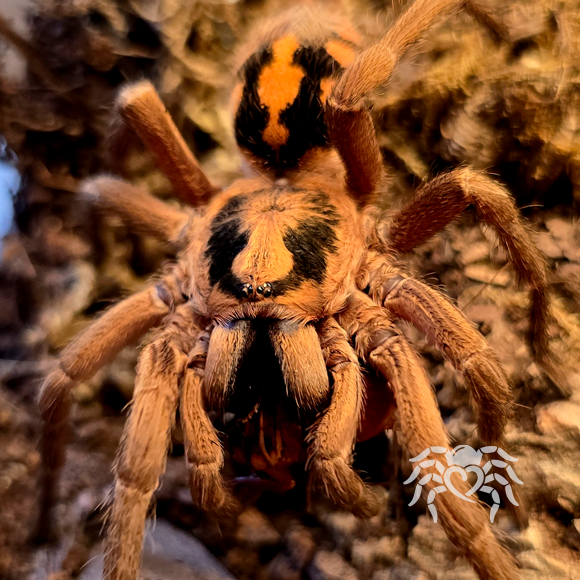
These little show-offs are surprisingly visible for a fossorial species. Juveniles and adults alike often hang out at the mouth of their burrow or even wander about in the open, especially in the evenings. Expect regular glimpses of their brilliant pumpkin-orange patterning—one of the main reasons keepers adore them. They're active webbers and diggers, so there's always something interesting going on, even if it’s just rearranging the décor. They might disappear for a moult, but will usually be back out soon, ready to remind you who’s the prettiest spider in the house.
Webbing
While they can’t compete with the humidity-loving Avics or clasp web structures of some other species, Pumpkin Patch Tarantulas are clever webbers in their own right. Expect to see silk curtains over burrow entrances, retreat doorways, or around favourite hides. They use webbing to anchor debris, signal movement at the entrance and reinforce their homes. Slings will often blanket substrate with silk, which is both adorable and useful in tracking their activity. Webbing increases in busy patches as they settle in and feel secure.
Feeding
Pumpkin Patch Tarantulas have big appetites for their size! Slings do well on pre-killed or tiny live prey items—think fruit flies, pinhead crickets, or confused micro-roaches. Feed hungry babies every 3–5 days; they grow quickly when given regular meals and warmth. Juveniles enjoy one or two small crickets (or mealworms) weekly. Adults are content with slightly larger prey—medium crickets or similar—once every week or so. Always remove uneaten prey after 24 hours, particularly if your spider is in pre-moult. Don’t be tempted to super-size their dinners—these little tarantulas do best on prey a bit smaller than their own body length. Overfeeding or oversized meals are common pitfalls that can stress or harm the spider.
Enclosure Recommendations
Go for a horizontally oriented enclosure with good cross ventilation. A 20cm x 20cm x 20cm box is more than adequate for an adult—these aren’t roamers. Substrate depth is key: provide at least 7–10cm of soft, well-draining substrate (coco fibre, peat, or topsoil mixes) to facilitate burrowing. Add bark, cork, or even a flowerpot for a hide, plus a scattering of leaf litter for that Amazonian ambiance. Slings can be kept in smaller tubs with airholes and increased substrate—avoid letting very small enclosures dry out. Always provide a shallow water dish, regardless of spider size. Avoid excessive clutter, but do make real effort to mimic a naturalistic, forest-floor vibe. Secure lids are a must; their size may be small but their ambitions are not!
Experience Level
Pumpkin Patch Tarantulas tick a lot of boxes for the novice but have enough charm to delight a seasoned keeper too. They’re hardy, resilient to minor mistakes, and their housing needs are straightforward if you stick to best practices. Their speed when startled may catch out the completely unprepared, but they aren’t particularly defensive or cryptic. A lovely choice for the patient beginner or anyone wanting variety in a smaller, easy-to-manage package.
Final Thoughts
Hapalopus formosus is the full tarantula experience in fun-sized form: bold colours, lively behaviour, and just enough webbing and digging to keep any keeper entertained. They’re tough and forgiving, with a fantastic display value rare in smaller species. Their manageable size makes them ideal for space-limited hobbyists or those looking for a low-maintenance but high-enjoyment arachnid. The only real challenge? Resisting the urge to keep buying more after falling in love with that pumpkin-patterned charm. If you’re after a tarantula with personality, beauty, and activity, all in a compact package, the Pumpkin Patch is a true cracker.
Community Species Gallery
Approved photos submitted by registered Spoodoire users.
No community images have been approved for this species yet.
Submit Your Photo
Log in to submit a photo for this species.
Available at The Spoodoire
Products linked to this species care guide.