


UK Tarantula Legality & CITES Overview
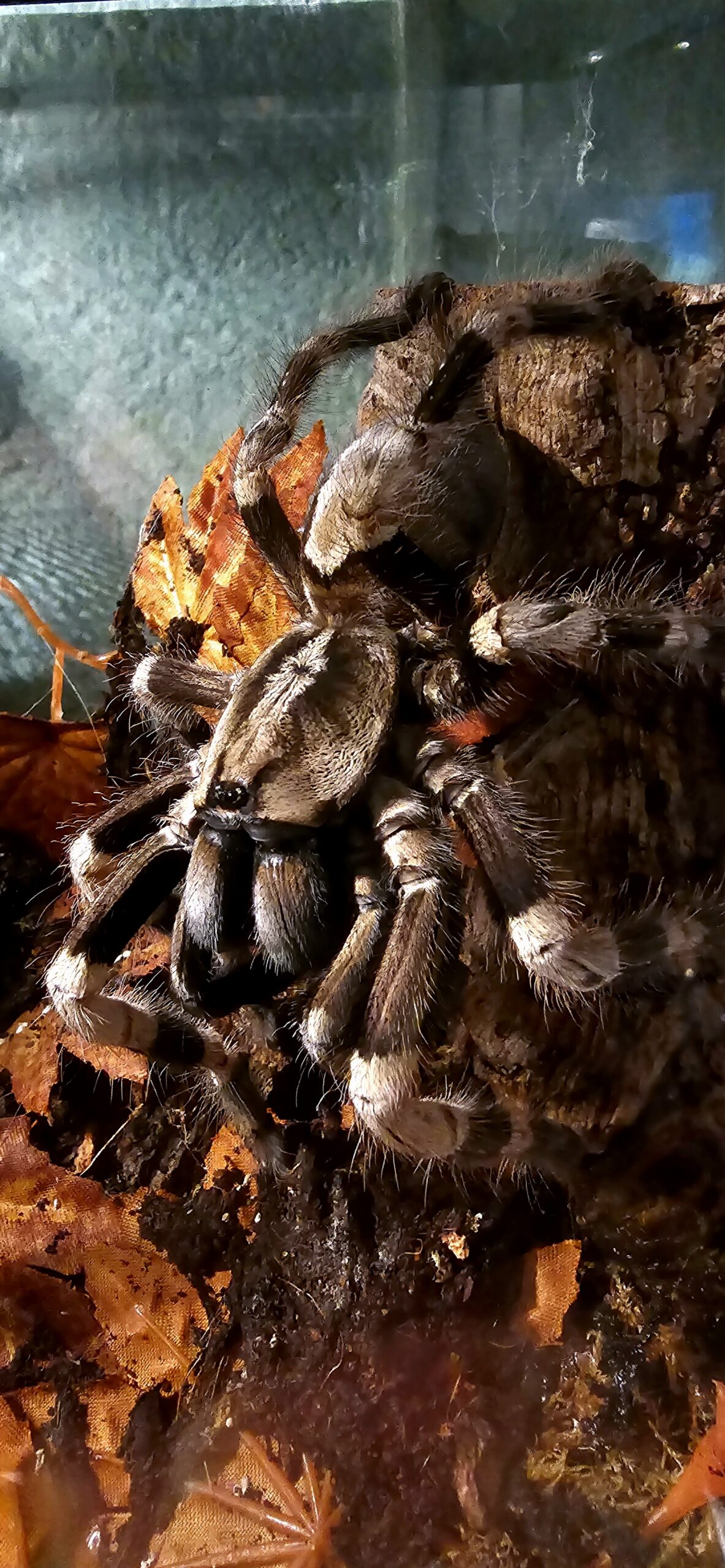
UK tarantula legality
Legality, CITES and buying responsibly
A plain-English overview of the legal and welfare points UK keepers should understand before buying, selling or moving tarantulas.
Policy details are reviewed regularly
An overview of the laws, regulations, and best practices affecting tarantula keepers in the United Kingdom.
Introduction
Most tarantulas are legal to own in the United Kingdom, and the UK has one of the world’s largest and most established exotic invertebrate hobby communities. However, several important regulations affect how tarantulas are imported, exported, sold, and traded.
For hobbyists, the most important framework is CITES — the international agreement regulating trade in protected wildlife species.
This guide explains:
Which tarantulas are regulated
What CITES means for keepers
UK import/export considerations
The difference between captive-bred and wild-caught stock
Best practices for responsible ownership
What Is CITES?
CITES stands for the Convention on International Trade in Endangered Species of Wild Fauna and Flora.
It is an international treaty designed to protect wildlife species from unsustainable trade and overcollection.
CITES does not normally prohibit private ownership of tarantulas.
Instead, it regulates:
International commercial trade
Import and export permits
Documentation requirements
Wild specimen collection
Most tarantulas that appear under CITES are listed under Appendix II, which allows regulated trade under permit systems.
Are Tarantulas Legal to Own in the UK?
In general:
✅ Most tarantulas are legal to own in the UK.
✅ Most hobbyists do not require licences.
✅ Captive-bred specimens are widely available.
The main legal responsibilities involve:
Proper import/export paperwork
Animal welfare obligations
Honest commercial trade practices
Compliance with CITES where applicable
Major CITES-Regulated Tarantula Genera
Brachypelma
Perhaps the best-known protected tarantula genus.
Common Species
Brachypelma hamorii
Brachypelma boehmei
Brachypelma emilia
Important Notes
The entire genus is listed under CITES Appendix II
Wild export from Mexico is heavily restricted
Most UK specimens are captive bred
Ownership in the UK is legal
International movement requires permits
Because these species have been popular in the hobby for decades, they are commonly available from UK breeders.
Tliltocatl
Several former Brachypelma species were reassigned into this genus.
Common Species
Tliltocatl albopilosus
Tliltocatl vagans
Tliltocatl kahlenbergi
Important Notes
Some species retained CITES protections after reclassification
Older paperwork may still use outdated genus names
Hobby listings often contain legacy taxonomy
Keepers should retain all original documentation
Taxonomic revisions can occasionally create confusion when importing or exporting animals internationally.
Poecilotheria
Asian ornamental arboreal tarantulas from India and Sri Lanka.
Common Species
Poecilotheria regalis
Poecilotheria metallica
Poecilotheria ornata
Important Notes
Entire genus is CITES Appendix II listed
International trade is regulated
Captive breeding is strongly encouraged
Wild-caught exports are heavily scrutinised
These species remain legal to keep in the UK.
Popular Hobby Genera That Are Usually Not CITES Listed
Many commonly kept tarantulas are not broadly regulated under CITES.
Examples include:
Grammostola
Aphonopelma
Lasiodora
Nhandu
Chromatopelma
Psalmopoeus
Theraphosa
Pamphobeteus
Chilobrachys
Harpactira
However, source-country laws may still restrict export or collection.
Responsible hobbyists should still prioritise captive-bred stock whenever possible.
Captive-Bred vs Wild-Caught
In the tarantula hobby:
CB = Captive Bred
WC = Wild Caught
Captive-bred specimens are strongly preferred because they:
Reduce pressure on wild populations
Usually adapt better to captivity
Tend to carry fewer parasites
Are easier to trace legally
Support ethical breeding programs
Most reputable UK breeders and expos now advertise animals as captive bred.
Importing Tarantulas into the UK
Importing tarantulas may involve:
HMRC customs declarations
APHA oversight in some situations
CITES permits for protected species
For CITES-listed species, imports generally require:
Export permit from the country of origin
Correct scientific naming
Proper customs declaration
Supporting documentation
Undeclared or incorrectly documented shipments can be seized.
Exporting Tarantulas from the UK
International shipping is where hobbyists most commonly encounter regulatory issues.
For CITES-listed species:
Export permits are required
Scientific names must match documentation
Outdated taxonomy may cause delays
Buyers and sellers should retain records permanently
Breeders who export internationally often maintain detailed lineage and acquisition records.
Dangerous Wild Animals Act (DWAA)
Most tarantulas are not normally regulated under the UK Dangerous Wild Animals Act.
This includes many species considered medically significant within the hobby.
Examples include:
Poecilotheria
Pterinochilus
Harpactira
Local authority interpretation can vary, but ordinary private hobby keeping is generally exempt.
Animal Welfare Responsibilities
Under the Animal Welfare Act 2006, keepers have a duty of care to provide:
Suitable housing
Appropriate temperature and humidity
Proper feeding
Escape prevention
Humane treatment
Poor husbandry or neglect can still create legal issues regardless of species legality.
Recommended Best Practices for UK Keepers
Experienced hobbyists generally recommend:
Buying captive-bred stock only
Purchasing from reputable breeders
Retaining all paperwork permanently
Using current scientific names
Avoiding impulse purchases of rare imports
Researching species temperament and care before purchase
These practices help support a sustainable and responsible hobby.
Genera Most Commonly Associated with Paperwork
| Genus | Typical Concern |
|---|---|
| Brachypelma | CITES Appendix II documentation |
| Tliltocatl | Legacy naming and paperwork confusion |
| Poecilotheria | International movement permits |
| Cyriopagopus | Import scrutiny from source countries |
| Theraphosa | Origin verification in some exports |
Final Thoughts
For most UK tarantula keepers, ownership itself is straightforward and entirely legal.
The areas that matter most are:
Ethical sourcing
Captive-bred provenance
Accurate taxonomy
Proper import/export documentation
The UK tarantula hobby increasingly prioritises sustainability, transparency, and responsible breeding practices — all of which help protect both the animals and the future of the hobby.
Disclaimer
This article is intended as a general hobby overview and should not be considered legal advice. Regulations and taxonomy can change over time. Always consult official UK government guidance and current CITES regulations before importing or exporting protected species.