

Species Care Guide
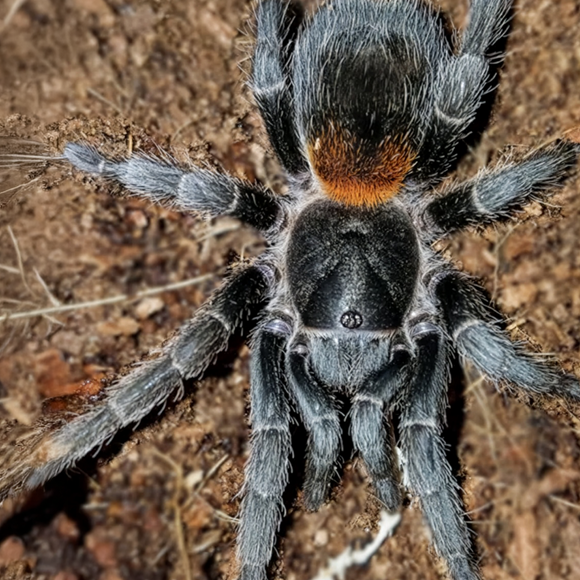
Homoeomma chilensis
Chilean flame tarantula
Also known as: Chilean dwarf flame, Chilean red flame, Chilean dwarf beauty, Euathlus sp. red
Last updated: June 12, 2026
Buy this species
Origin
Homoeomma chilensis, previously known as the Chilean Rose tarantula, hails from central regions of Chile in South America—a land famous for its rolling scrublands and semi-arid climates. These lovely tarantulas romp across dry prairies and arid woodland edges, frequently burrowing into loose, sandy or gritty soils to avoid the harsh Chilean sun. Daytime temps can be warm and breezy, while nights tend toward the brisk. It’s not exactly the Amazon rainforest—think more tumbleweeds and cacti than tropical ferns—so they’re well adapted to moderate and variable conditions. Expect gentle seasonal fluctuations, with brief summers and cool winters.
Adult Size
Adult Homoeomma chilensis tiptoe across life with a leg span of about 10–13 cm (4–5 inches). Not exactly a dinner plate, but certainly not a spiderling anymore! Females generally boast a chubbier build and a slightly larger size than their male counterparts. Males tend to be leggier and a bit more delicate, especially once they reach maturity. Their growth is measured rather than meteoric, so expect several years of moult-and-grow before they reach their full elegant splendour. Ideal for keepers who enjoy a tarantula that won’t outgrow its welcome—or its enclosure.
Lifestyle
Homoeomma chilensis is truly the definition of a terrestrial tarantula. In the wild, they are burrowers at heart—digging little hideaways beneath rocks or simply commandeering abandoned animal holes. In captivity, they carry over this hankering for a snug, ground-level abode, often making great use of provided hides or even excavating a spot in the substrate. They’re not the Olympic sprinters of the spider world, but you’ll spot some leisurely strolls across their enclosure, particularly in the evenings or just after a tasty meal. Overall, these spiders keep their feet firmly planted on terra firma.
Lifespan
One of the real draws of Homoeomma chilensis is its impressive lifespan, especially for females. Ladies can reach a ripe old age of 15–20 years, settling in for the long haul and becoming true members of the ‘too many legs’ household. Males, ever the short-lived romantics, tend to clock out after 4–5 years, often not long after their final moult. With proper care, these tarantulas will stick around for many a year—plenty of time to collect stories and moult shells for your oddities shelf.
Growth Rate
Slow and steady wins the race for Homoeomma chilensis. If instant gratification is your thing, you might want to look elsewhere! Spiderlings and juveniles will often pass through several molts per year, but growth noticeably slows as they approach adulthood. Diet, temperature and overall health can all nudge things along, but it’s best to enjoy the journey rather than rush to the finish line. Expect several years from sling to full adult, with females especially happy to take their sweet time.
Temperament
Homoeomma chilensis is rightly famed for its placid, almost Zen-like temperament. These are some of the least defensive tarantulas around, ideal for those who prefer calm vibes over drama. They rarely bolt or show aggression unless pushed to their absolute limit—and even then, they’ll more likely sulk than sass. That said, each spider has its own quirks; don’t be shocked if yours is a little sassier or shyer than expected. Overall, they’re the unflappable gentlespiders of the tarantula world.
Temperature
Temperature-wise, these Chilean classics prefer to keep it comfortable rather than tropical. Aim for a daytime range of 21–24°C (70–75°F), dropping to as low as 18°C at night without causing any spiderly sulking. No need for an all-out heating battle—ambient room heat is usually enough in the average British home, though the odd cold snap might warrant a low-wattage heat mat on the side of the enclosure (never the bottom, lest you bake the burrower). Avoid temperature spikes or baking in direct sunlight—think mellow, not Mediterranean sauna.
Humidity
Homoeomma chilensis favours it drier than many of its tropical cousins, thriving at a relative humidity of about 50–65%. Achieve this by letting part of the substrate dry between mistings—don’t go raining on their parade too often. Good airflow is absolutely key to prevent stuffiness or mould, so opt for a well-ventilated enclosure. Always provide a sturdy water dish (no swimming pools, please) for drinking and dabbling. Overly damp substrate is a no-no; think lightly moist in one corner and dry elsewhere rather than soggy all round.
Visibility
If you want a spider you’ll actually see now and then, you’re in luck! Homoeomma chilensis is delightfully visible, especially in the evenings. Slings and juveniles are a bit more bashful, but adults regularly survey their domain outside the hide, sometimes even striking a pose atop their burrow. While not the flashiest of performers, they’re confident enough to give you regular glimpses—a little more ‘neighbor popping in for tea’ than ‘hermit in a cave.’
Webbing
These spiders are not prolific web architects—the odd silk doormat or tidy entrance mat is usually the extent of their handiwork. Don’t expect elaborate tunnels or aerial acrobatics. Instead, Homoeomma chilensis uses silk to reinforce burrow entrances or mark favourite scratching posts. It’s quiet, functional, and easy to clean up—perfect for fans of minimalism. Their modest webbing habits mean more opportunity to see your spider without a silk curtain in the way.
Feeding
Homoeomma chilensis isn’t a voracious eater, but food offerings are still a highlight of their week. Slings eagerly accept pre-killed or pinhead crickets two or three times a week. Juveniles dine happily on small crickets or roaches once or twice weekly. Adults are satisfied with one medium to large prey item every week or fortnight—a cricket, juicy locust or the occasional dubia roach all do nicely. Don’t go overboard—overfeeding leads to chunky spiders and slower growth due to less frequent moulting. Always remove uneaten live prey after 24 hours to avoid stress during moults. These spiders can fast for weeks (or even months) without worry, especially in pre-moult, so don’t panic if food is refused. If in doubt, a less-is-more approach works best.
Enclosure Recommendations
Opt for a horizontally-oriented enclosure with ample floor space—something around 30x30 cm for adults is ideal. Depth isn’t crucial, but provide 10–15 cm of substrate (coco fibre, peat or sandy mixes work fine) for attempts at digging. Good cross-ventilation will prevent mustiness and stagnation. Add a cork bark or ceramic hide for a sense of security; many will use it religiously. An open, shallow water dish is essential and should always be topped up. Decorate with fake plants or rocks if you fancy, but don’t overcrowd. Avoid excessive moisture in the substrate—a light corner misting is plenty. For slings, start with small deli cups or critter tubs, upgrading as they grow. No tall climbing features needed—this spider is all about life on the ground.
Experience Level
Thanks to their forgiving care requirements and docile personalities, Homoeomma chilensis is an excellent choice for beginners and seasoned keepers alike. They’re forgiving of minor care fumbles, slow moving and not easily rattled. New hobbyists can enjoy learning the ropes without fear of drama, while experienced keepers will appreciate their years-long companionship and steady nature. Just mind the odd urticating hair flick and you’ll get along famously.
Final Thoughts
Homoeomma chilensis has charmed tarantula keepers for decades, and it’s easy to see why: they’re gentle, easy-going and undeniably attractive (even if their sense of interior décor is minimal). The long lifespan and forgiving care needs make them a marvellous choice for new and experienced keepers alike. Their slow, steady growth rewards patience, and their endearing activity keeps things interesting. If you’re after an easy-going room-mate who won’t redecorate your flat or bolt at the sound of your footsteps, this is the spider for you. Just don’t expect them to help with the washing up.
Community Species Gallery
Approved photos submitted by registered Spoodoire users.
No community images have been approved for this species yet.
Submit Your Photo
Log in to submit a photo for this species.
Available at The Spoodoire
Products linked to this species care guide.