


Davus pentaloris
Price range: £8.00 through £50.00
Prone to a sudden moonwalk into the hide at the faintest hint of movement—clearly believes the best offence is making you question if it was ever there at all.
Tell me when it is available
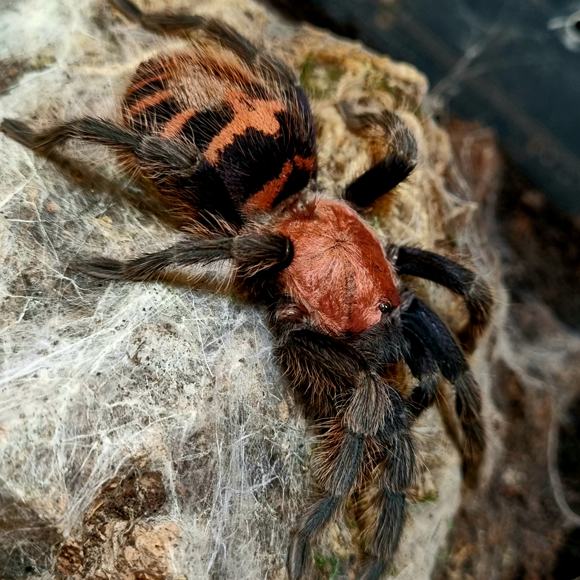
Davus pentaloris is a compact, terrestrial species native to the forests and mountains of Guatemala and southern Mexico. Well suited to life on or just below the forest floor, it quickly adapts to the usual captive arrangement of a hide, some leaf litter and a bit of digging substrate. This isn’t a compulsive excavator, but don’t be surprised if your cork bark gets periodically upended during one of its infrequent bouts of home improvement.
In terms of temperament, D. pentaloris is sensibly reserved—most would sooner dash for cover than cause you any mischief. Defensiveness is rare, and urticating hairs are only deployed in cases of extreme discourtesy (so do try not to qualify).
Adults mature to a manageable 8–11 cm leg span, which, along with their hardiness, makes them a solid choice whether you’re new to New World species or simply tired of finding space for giants. Females may be with you for up to 15 years, with males dashing through life in about four. Growth is moderate; not sluggish, but you’ll still have time to misplace the moult chart.
Display value is above average—this isn’t a spider you’ll entirely forget is there, especially at dusk when they patrol the entrance to their hide. Juveniles tend to be a touch more reclusive, particularly around moult, but adults seem quite content to pose as silent forest sentinels.
Humidity between 60–70% and temperatures in the low 20s suit them fine, provided there’s no damp substrate lingering at the surface and cross ventilation keeps things fresh. Webbing is sufficient for function, rarely for show; you’ll see neat silk retreats but nothing reminiscent of a haunted house.
Feeding is straightforward: juveniles tackle appropriately sized crickets or roaches every week, adults less often, and everyone participates energetically unless pre-moult fasting is on the agenda. If you value an attractive, undemanding terrestrial with a hint of personality and a moderate approach to home décor, Davus pentaloris is well worth a spot in the collection.
Only logged in customers who have purchased this product may leave a review.
Species breeding reference
Breeding Notes
Captive breeding of Davus pentaloris is possible for committed keepers with some experience under their belt. They aren’t the trickiest but do require close attention to seasonal shifts, female condition, and humidity changes. Natural breeding cues appear to mirror the onset of rainier, humid weather in the wild. Success hinges on good timing and gentle care post pairing, with moderate clutch sizes and a manageable incubation window. Approach with patience and a watchful eye, and you might just raise a new generation of these forest-floor gems.
Wild Breeding Season
True wild breeding timing is still up for debate with this species, but based on its Central American roots, the main action likely kicks off shortly after the first heavy rains. This tends to be late spring into summer in their native habitat, when the air gets stickier and the ground softens up—prime conditions for romance underground.
Wild Environmental Triggers
These tarantulas probably key into the arrival of substantial rains and the rising humidity, which signal everything from burrow construction to breeding readiness. A marked uptick in rainfall and warmer nights could give them the nudge they need to get things started.
Native Climate Context
Davus pentaloris hails from forested foothills where wet and dry seasons mark the calendar. Expect temperatures between 24°C and 27°C, with humidity climbing above 80% during the rainy period from late May through October. The rest of the year tends to be drier and still quite warm.
Captive Breeding Window
Success stories from keepers often point to spring and summer as the most likely windows for pairing, ideally right after a female’s fresh moult and with a gentle bump in humidity. Outside of that, results become a bit hit-and-miss.
Pre-pairing Conditioning
Let your female settle in and get well-fed after moulting, keeping humidity moderately high for a couple of weeks. Raise humidity gently—not a deluge, just enough to mimic the shift into wetter weather. Both spiders will appreciate a period of good food and calm before any introductions.
Male Introduction Guidance
Introduce the male to the female’s enclosure during the evening or early night when tarantulas are naturally most active. Give the female plenty of space to retreat—Davus pentaloris is fairly tolerant, but accidents do happen. Remove the male if there’s more aggression than interest or if he sticks around too long after mating behaviour finishes.
Female Readiness Signs
A freshly moulted, plump female that spends time near her burrow entrance is often a good sign. Some slight restlessness or webbing around her hide might mean she’s getting in the mood. Don’t try pairing if she’s looking dull or is approaching a moult.
Post-pairing Conditions
After mating, boost humidity but keep things well-ventilated to avoid stale conditions. Feed her moderately but avoid power-feeding, as too much food can delay sac production. Leave her undisturbed and resist the urge to peek too often—privacy is key.
Sac Timeline
Reports from captive breeding suggest a sac may appear anywhere from 6 to 10 weeks after pairing if conditions are right. Handle with care; unnecessary checks can stress the female and jeopardise the eggsac.
Incubation Notes
Leave the sac with the female if you trust her maternal instincts—she often does a fine job if kept undisturbed. Expect the eggsac incubation to last around 6–8 weeks before spiderlings start to emerge. Some keepers gently remove the sac at the late egg or ‘eyed’ stage for artificial incubation, especially if the mother is nervous.
Expected Sling Count
Clutch size tends to be moderate—anywhere from 60 to just over 120 spiderlings per sac has been seen in captive conditions, but numbers can vary quite a bit.
Risks and Cautions
Davus pentaloris isn’t known for extreme aggression, but mismatched pairing timing can lead to cannibalism, so keep introductions short and supervised. Humidity swings and stagnant air can spell disaster for eggsac health. If the female seems restless or aggressive after pairing, remove the male promptly. As with many Central American terrestrials, patience pays off—rushing rarely leads to better outcomes.
Evidence confidence: Medium
UK Market Insight
Neutral UK availability and pricing context for this exact Species record.
Species care guide
Davus pentaloris
Adult Size
8–11 cm leg span
Temperature
21–24°C
Humidity
60–70% RH
Temperament
Davus pentaloris is admired for its generally calm disposition—no drama queens here, just a hint of nervous energy. When disturbed, they’re more likely to bolt for cover than stand their ground, so keep in mind that speed is their main defence. They rarely show defensiveness unless pushed, making them a popular choice for keepers who like their spiders sociable but not sassy. This species is more likely to moonwalk into their hide, leaving you to wonder if you imagined the whole encounter. Handled gently (in maintenance, not by hand!) they’ll reward you with beautiful colours and few surprises. Still, respect their space—nobody likes being startled, especially not a spood.
Defence
When it comes to defence, Davus pentaloris prefers a quick getaway over a showdown—this one’s mastered the disappearing act. If cornered, they’ll try to dash into their hide or freeze in place. They do have urticating hairs, which they may kick up if thoroughly harassed, but this is a rare event. A gentle approach and minimal disturbance will keep both you and your spider stress-free. As always, don’t tempt fate—leave the handling to your next magician’s act (with a deck of cards, not a tarantula). Regular enclosure maintenance with soft tools is the way to go.
Visibility
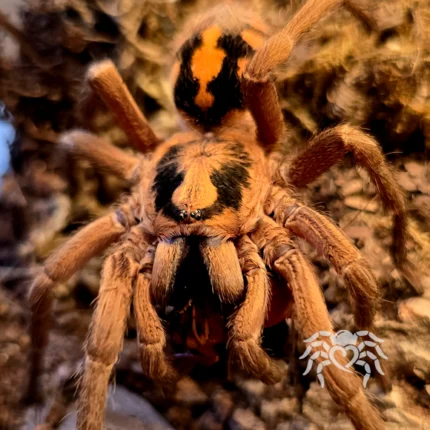
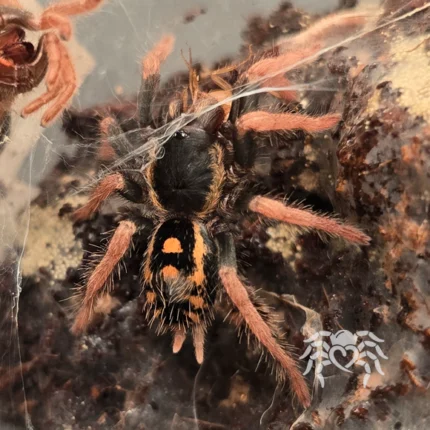
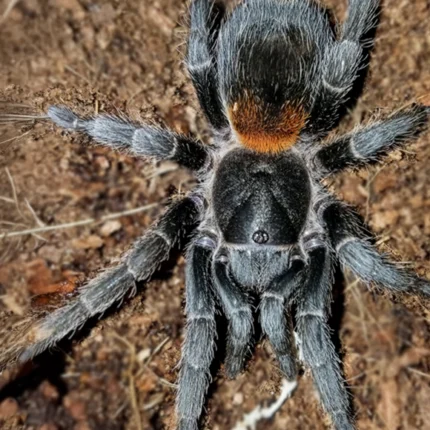
Visibility is quite good with Davus pentaloris, especially if they’re provided with a secure hide and feel safe. You’ll often spot them out and about in the evening or early morning, showing off their handsome chevron pattern. While juveniles may vanish for days during moult cycles, adults are actually a good display species compared to their shy cousins. They tend to perch at hide entrances, doing their best impression of a woodland guardian. Give them a quiet spot and minimal disturbance and you’ll be rewarded with regular sightings—just don’t expect marathon dance recitals when the lights are on.
Experience Level
Davus pentaloris makes an excellent choice for both beginners and experienced hobbyists—easy to care for, attractive, and unlikely to raise your blood pressure. Their manageable size, forgiving temperament, and hardy nature mean you don’t need a PhD in spoodery to keep them happy. If you’re new to New World species and want more pizzazz than a brown box, this is an ideal starter. Conversely, seasoned keepers will appreciate their charm and colouration. Just remember: no handling, minimal fussing, plenty of observation—everyone wins!
Webbing
Expect a moderate amount of webbing, with Davus pentaloris setting up neat silk retreats in and around their hide. Juveniles are particularly enthusiastic, often decorating the enclosure like it’s Halloween all year round. The webbing is used mainly for anchor points and lines to alert them to approaching snacks (or nosey humans). As adults, they’re a bit less extravagant, but will still maintain a silk mattress under their favourite log. Their web-work isn’t quite Avicularia-level, but it’s enough to keep things interesting—think functional, not full Gothic mansion.
Feeding
Davus pentaloris enjoys a varied diet, and feeding time is often a highlight—if you like seeing a food sprint, you’re in the right place! Slings will tackle appropriately sized pre-killed or very small live crickets, fruit flies or tiny roaches 2–3 times a week. As they grow, graduate to larger prey items (small crickets, mealworms, dubia roach nymphs) every 5–7 days for juveniles, and weekly for adults. Their feeding response is usually enthusiastic, though fasting before a moult is normal—don’t panic if they suddenly go on a diet. Remove uneaten prey after 24 hours to keep things tidy and prevent any moult-night tragedies. Avoid power-feeding (offering too much too often), as pudgy spiders are no happier than hungry ones. The best approach: regular, sensible feedings and an eye for plump abdomens and natural behaviours.
Enclosure Recommendations
For slings, small ventilated acrylic boxes with at least 5 cm of slightly moist coco fibre work wonders—just add a bit of leafy décor and a starter hide. As they grow, adults are best housed in enclosures roughly 30 x 20 x 20 cm, with 8–10 cm of substrate for occasional digging shenanigans. Provide a sturdy cork bark hide, a shallow water dish, and anchor points for webbing. Ventilation is all-important: cross-vented enclosures keep the habitat fresh, with condensation left for the kitchen, not your spider’s home. Decorate with fake plants or leaf litter (optional, but your spood will appreciate the privacy). No need for climbing structures—these aren't acrobats. Lastly, always secure the lid: these are fast movers when the mood strikes, and you don’t want a surprise game of ‘Find the Spood’!
Final Thoughts
If you crave a tarantula with personality, easy care requirements, and delightful colouration, Davus pentaloris is an absolute gem. They offer beginner-friendly management for new keepers, but their behaviour and looks make them a staple for seasoned hobbyists, too. Fast enough to keep you on your toes but not likely to cause panic, they quickly become a keeper’s favourite. While they might never star in a docile-handling video, their visibility and moderate webbing make up for it in spades. Like all tarantulas, respect their space, provide simple husbandry, and you’ll be treated to years of fascinating behaviour, subtle artistry, and maybe a little bit of ‘bedroom redecorating’. A fantastic all-rounder with bags of charm—Davus pentaloris is a spoodoir classic.
Species-specific guidance
Frequently Asked Questions
Is Davus pentaloris (Guatemalan tiger rump tarantula) suitable for beginners?
Absolutely! Davus pentaloris is an excellent choice for both beginners and seasoned keepers. They're hardy, have a manageable size, and sport a calm temperament, making husbandry straightforward. Their easy-going nature and stunning coloration make them a firm favourite without the need for advanced experience.
What is the typical adult size of a Guatemalan tiger rump tarantula?
Davus pentaloris reaches a modest adult leg span of 8–11 cm, with females being chunkier than the more slender males. This compact growth means you don't need a massive enclosure, making them ideal for keepers with limited shelf space.
How fast does Davus pentaloris grow and what is their lifespan?
Slings and juveniles of Davus pentaloris grow at a steady, medium pace—moulting every 6–8 weeks early on, with intervals lengthening as they mature. Females often live 10–15 years with good care, while males reach adulthood faster but typically live only up to four years in total.
What is the temperament of Davus pentaloris and how do they defend themselves?
Davus pentaloris is known for its fairly calm disposition and low drama. If startled, they're quick to dash for cover rather than act defensively. While they do have urticating hairs, they're rarely flicked. Gentle, minimal disturbance keeps both you and your spood stress-free. For the record, The Spoodoire does not endorse handling of any tarantula.
How visible is the Guatemalan tiger rump tarantula in its enclosure?
With the right hide and minimal disturbance, Davus pentaloris can be wonderfully visible, especially in the evening or early morning. They often lounge at hide entrances, showing off their attractive pattern, and are generally more on show than some shyer species—though a sudden movement may send them scuttling for cover.
How should I set up a suitable enclosure for Davus pentaloris?
A well-ventilated enclosure of around 30 x 20 x 20 cm with 8–10 cm of substrate is ideal for adults. Add a cork bark hide, shallow water dish, and anchor points for webbing. Good cross ventilation is key—condensation means airflow needs tweaking. No climbing structures are necessary; this species prefers life close to the ground.
Does Davus pentaloris web much, and what kind of lifestyle does it have?
Davus pentaloris is a terrestrial tarantula that enjoys moderate webbing. Expect neat silk retreats and anchor lines, particularly with juveniles who like to decorate. While not obsessive webbers, they do maintain functional retreats and occasionally reorganise their space, so a sturdy hide and enough substrate for light digging go a long way.
How should I maintain humidity and moisture for the Guatemalan tiger rump tarantula?
Aim for 60–70% relative humidity, which is easily maintained with a lightly misted substrate and clean water dish. Allow the top layer to dry out between mistings—stale, over-wet conditions aren't appreciated. Good ventilation is crucial to prevent mould and keep your spider healthy and active.
Related products


Reviews
There are no reviews yet.