

Species Care Guide
Phormictopus auratus
Cuban bronze tarantula
Also known as: Cuban gold tarantula, Cuban bronze
Last updated: June 20, 2026
Buy this species
Origin
Phormictopus auratus hails from the lush, tropical regions of Cuba and neighbouring Caribbean islands. In the wild, these tarantulas inhabit warm, humid environments, usually seeking shelter under logs, leaf litter, and natural ground debris. The climate here is typically hot and muggy, with temperatures commonly ranging from the low to mid-20s°C, and humidity levels staying comfortably high throughout the year. The forests and grasslands of this area offer plenty of hiding spots and the sort of cosy crevices these spiders love. If you’ve ever wondered what the Caribbean sunshine feels like, this eight-legged beauty spends its whole life in it (though they’re not exactly sunbathers).
Adult Size
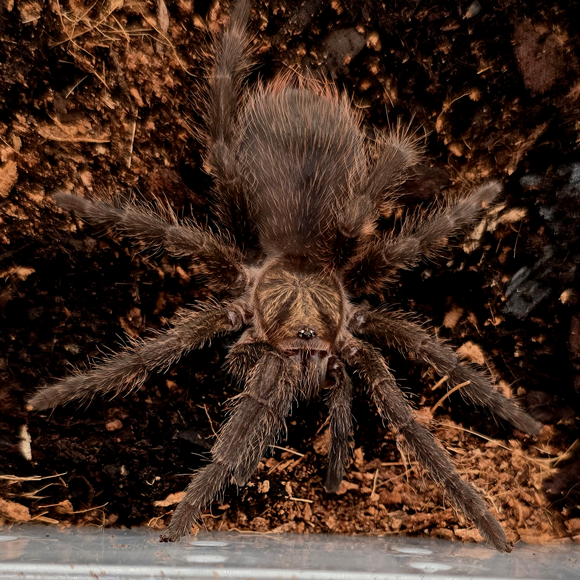
Phormictopus auratus is a proper chunky monkey, with adults typically reaching between 15–18 cm in diagonal leg span. Females, as is traditional in the tarantula world, are both larger and bulkier than their male counterparts. Males tend to be leggier and a bit more waif-like – flashier but short-lived, bless them. Juveniles start out modest, but don't be fooled; these spiders fill out with gusto, making for an impressive display when mature. You’re not likely to mistake one for a house spider any time soon!
Lifestyle
Phormictopus auratus is a good old-fashioned terrestrial tarantula, meaning it spends most of its life trundling about on or just under the surface. Youngsters sometimes burrow if given enough substrate, while adults often claim a hide or fashion a little scrape under a log. In captivity, they’re not shy about re-decorating their living space and might rearrange substrate or web up an area for their own satisfaction. While they won’t scale your curtains (unless you forgot the lid), they do appreciate enough room to mooch about. Give them a well-structured enclosure, and you’ll have a contented ground dweller.
Lifespan
Females of this species are long-haulers, easily living 12–15 years in captivity if well cared for. Males, unfortunately, get the short end of the stick, typically living only 3–5 years, often maturing quickly and then shuffling off after their final moult. As with many tarantulas, good husbandry—proper diet, stable humidity and temperature—can see females live to a ripe old age, so don’t be surprised if your girl outlasts multiple smartphones and fashion trends. Males, on the other hand, tend to focus on passing on their genes and then calling it a day.
Growth Rate
Phormictopus auratus is known for its fairly rapid growth, especially in comparison to some of its slower-growing cousins. Slings and juveniles can put on size quickly, given frequent meals and comfortable conditions. A steady supply of food and slightly warmer temperatures will speed things along, while cooler or drier enclosures can slow growth dramatically. As with all tarantulas, don’t rush your spider – patience pays off with a robust, healthy adult.
Temperament
P. auratus has a bit of that Caribbean spice! While not typically as temperamental as some Old World brutes, they are considered mildly defensive and not shy about voicing their displeasure via a good hair flicking. They can be feisty, especially when startled or hungry, but with sensible husbandry and respect for their space, you’ll probably avoid any soap opera-level drama. They’re moderate in speed: not lightning bolts, but don’t expect them to shuffle about like a pet rock either. Treat them with care, and you’ll have a lively (but generally manageable) roommate.
Temperature
Aim to keep your P. auratus at 23–26°C, replicating the warmth of their native Caribbean homes. Room temperatures of around 22°C are usually fine in a well-heated British home, but colder rooms may need supplemental heating. Heat mats are best avoided unless attached to the side and regulated by a thermostat to prevent substrate drying and overheating. Make sure your spider’s enclosure isn’t exposed to direct sunlight or draughts. A digital thermometer will help you keep things spot on—no need for a tropical heatwave, just aim for that pleasant ‘holiday in Cuba’ kind of warmth.
Humidity
Keep humidity around 65–75% RH for most of the year, though this doesn’t mean your enclosure needs to be soggy! Use a good quality substrate—like coco fibre or topsoil—kept lightly moist (not swampy). A large, shallow water dish is a must, and your spider will thank you for the occasional overfilling to dampen one corner. Make sure there’s decent cross-ventilation to avoid mould outbreaks or stagnant air; a balance of moisture and airflow keeps your spider healthy and odour-free (unless you forgot to tidy up old cricket legs).
Visibility
One of the joys of keeping P. auratus is their decent visibility! Unlike those shy burrowers, this species spends plenty of time out in the open, especially in the evening or after a spot of redecorating. Juveniles may be more elusive and prone to digging, but adults often claim a hide yet don’t mind hanging out in plain sight. If you enjoy watching your pet prowl about (and occasionally rearrange the furnishings), this tarantula won’t disappoint. Top marks for display value—especially when that golden sheen catches the light.
Webbing
Phormictopus auratus isn’t an Olympic web-spinner, but they’ll lay down a reasonable layer of silk to mark territory, anchor themselves, and decorate their lair. Expect ‘carpet’ webbing along their chosen pathways or around their hide, rather than the dense tunnels made by some New World species. They use web to signal their presence—watch for little trip-lines near their front door, which double as a home security system and a ‘Do Not Disturb’ sign for the unwary cricket.
Feeding
These tarantulas are not known to turn down a meal! Slings will happily take on appropriately-sized prey such as pre-killed mini mealworms, pre-crushed crickets, or fruit flies, and can be offered food 2–3 times a week. Juveniles and adults will gobble up crickets, dubia roaches, locusts, and the odd mealworm every week to ten days. P. auratus has a voracious feeding response—sometimes lunging at food with the gusto of a midnight fridge raid—so keep fingers out of harm’s way. After a moult, give them at least a week before resuming feeding. Overfeeding can lead to a rather rotund tarantula, so don’t go overboard—aim for a well-fed, but not bursting, spider. Don’t leave prey in the enclosure for extended periods if ignored, as rotting bug bits don’t add to the Caribbean vibe.
Enclosure Recommendations
For slings, start with a small, escape-proof container with good ventilation and enough depth for burrowing (about 2–3 cm). Adults need a terrestrial enclosure measuring at least 30 x 30 x 30 cm, with more floor space for those who like to roam and remodel. Lay down 10–15 cm of moisture-retentive substrate to accommodate the occasional burrower phase. Add a sturdy hide (cork bark tubes are popular), plenty of leaf litter or fake plants for cover, and a decent-sized water dish for sipping and humidity. Ventilation is key—side vents are ideal—as this species doesn’t appreciate muggy, unventilated boxes. Don’t crowd them with décor, but give a bit of complexity to keep those golden toes active.
Experience Level
P. auratus is best suited to those with some prior tarantula experience—let’s say intermediate keepers and up. Their speed, humidity requirements, and occasional feistiness can challenge newbies, but with solid research and a steady hand, they are manageable. If you’ve kept a couple of beginner species and fancy a bolder, larger spider with more personality, you’re ready for the next step. Just remember: respect their moods and upgrade those maintenance tools!
Final Thoughts
Phormictopus auratus is a real showpiece, combining impressive size and that eye-catching golden bling with just enough attitude to keep things interesting. They’re not as moody as some Old World heavyweights, but not as placid as your average curly hair, either—they strike a great balance for intermediate hobbyists. Their feeding response, visibility, and bold colours make them a rewarding centrepiece, while their manageable care requirements offer a straightforward (but not totally hands-off) experience. Handle with care, arm yourself with long tweezers, and enjoy years of captivating antics from an underrated New World beauty.
Community Species Gallery
Approved photos submitted by registered Spoodoire users.
No community images have been approved for this species yet.
Submit Your Photo
Log in to submit a photo for this species.
Available at The Spoodoire
Products linked to this species care guide.