

Breeding Notes
Tliltocatl vagans
Mexican red rump tarantula
Also known as: Mexican red-rump, red rump tarantula
Species-specific breeding guidance, seasonal context and practical caveats for experienced keepers.
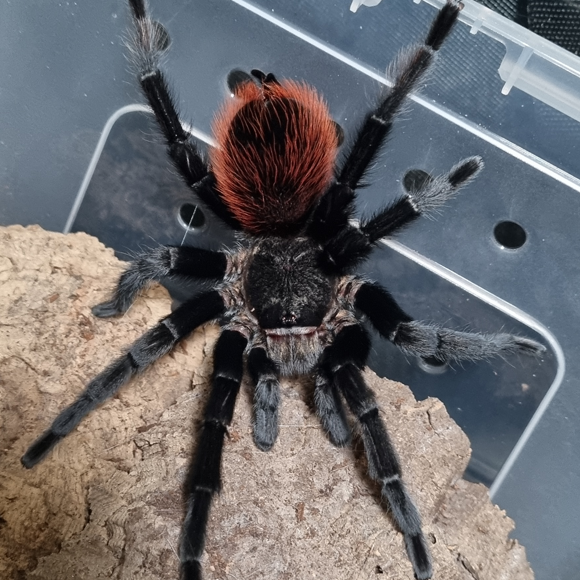
Species breeding reference
Breeding Notes
Breeding Tliltocatl vagans is doable for most, as they're quite forgiving and breed readily under the right conditions. Pairing tends to go smoothly, and females are known to make decent mothers. Stick to good routine care, a gentle bump in humidity, and patience around sac times—and you'll likely have a wriggling pile of red rumps in no time.
Wild Breeding Season
Tliltocatl vagans likely breeds as the rains start to roll in after a stretch of drier months. The beginning of the wet season seems to get the romance going, which in Central America usually means late spring to early summer.
Wild Environmental Triggers
A decent rise in humidity and the first steady rains seem to nudge these tarantulas into breeding mode, so those balmy, slightly muggy conditions work their magic after a drier spell.
Native Climate Context
Native to tropical bits of Mexico, Belize, and neighbours, Tliltocatl vagans comes from places with warm temperatures much of the year and pronounced wet and dry seasons—think 23–28°C with big humidity bumps once those summer rains kick in.
Captive Breeding Window
Most success stories in the hobby point to pairing attempts from late spring through summer, with slightly increased humidity and a bit of extra substrate moisture mimicking the start of their natural wet season.
Pre-pairing Conditioning
Giving both male and female a good meal or two before any introduction is wise, along with making sure the female has a fresh burrow and the enclosure is lightly moistened—think post-dry season, pre-thunderstorm vibes.
Male Introduction Guidance
Introduce the male after dark, ideally at the entrance to the female's burrow or hide. Supervised introductions are key—Tliltocatl vagans is typically tolerant, but keep feeding tongs handy in case she gets nippy. Remove the male if he seems too nervous or if the female shows no interest after a reasonable attempt.
Female Readiness Signs
Females that are receptive often linger near the entrance of their burrow at night and show curiosity rather than aggression when the male taps. Recent moults are usually a good sign she's ready, provided enough recovery time has passed and her abdomen is well-rounded.
Post-pairing Conditions
Leave the female undisturbed after a successful mating, other than regular feeding and gentle spot checks. Maintain slightly higher humidity—just enough for the air and substrate to feel fresh and lightly damp, not soggy.
Sac Timeline
If pairing takes, females may take anywhere from 4 to 8 weeks to lay a sac. Once she's laid, expect another 6 to 8 weeks before spiderlings begin to emerge, though times can vary a fair bit between individuals.
Incubation Notes
Most leave the egg sac with the female for at least a month, then pull it for artificial incubation if needed. The sac should be kept at around 24–26°C with gentle, consistent humidity—turning it gently once or twice a day to avoid clumping if you're doing it by hand.
Expected Sling Count
Sac sizes are quite variable, but you're typically looking at anywhere from 200 to 800 spiderlings, with the occasional larger clutch in experienced hands.
Risks and Cautions
While Tliltocatl vagans is usually straightforward, overfed or fresh-moult females might sometimes eat the male or the sac, so supervision is wise. Keep enclosures secure to avoid sling escapees—these little ones spread fast. Avoid letting things get too damp, as mold or mites are a risk for both eggs and slings.
Evidence confidence: High