

Cyriocosmus elegans
Price range: £8.00 through £50.00
Expects darkness, detests drama—vanishes at the hint of movement but leaves a subtle webbed calling card to prove it hasn’t tunnelled into oblivion just yet.
Tell me when it is available
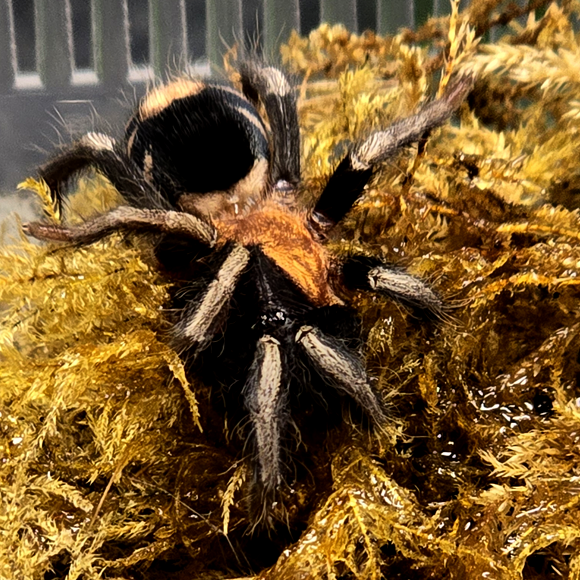
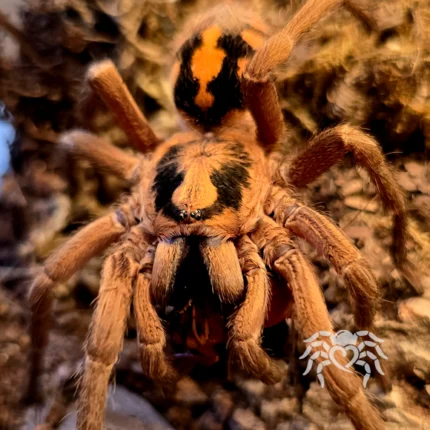
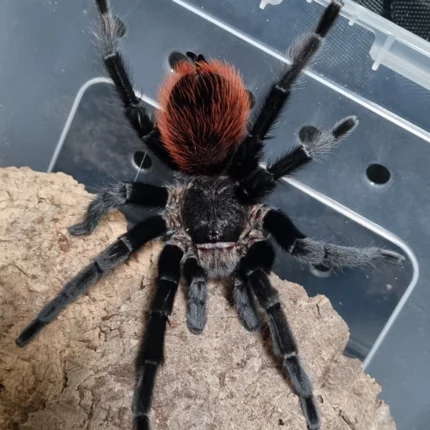
Cyriocosmus elegans isn’t one for public appearances, but what it lacks in showmanship it more than makes up for with a fascinating, secretive lifestyle. Native to the tropical lowland forests of Venezuela and Trinidad & Tobago, this small fossorial species spends most of its time beneath the surface in intricately webbed tunnels. If your idea of a ‘display tarantula’ involves a regular cameo, you may wish to look elsewhere. But if you delight in chance sightings and the occasional heart-shaped flash of pattern on a tiny spider, you’ll appreciate this understated species.
Slings are especially energetic, excavating impressive tunnel systems and weaving thick, silken carpets atop their burrow entrances. While adults slow down a touch and become even more subterranean, webbing remains part of their ongoing home improvements. You rarely see defensive displays—most disturbances are answered with a hasty retreat rather than a tantrum or hair flick. Handling isn’t advised, partly because of their size and partly because coaxing one above ground is optimistic at best.
Care is pleasantly straightforward for those prepared to provide deep, moist substrate and tolerate limited visibility. Females can reach 7–10 years with the usual sensible husbandry; males are considerably shorter-lived, racing through life at pace. Growth rate is on the quick side, especially with regular feeding and warmth. Temperatures in the low twenties—and humidity in the 70–80% range—closely mimic their natural conditions; cross-ventilation and a dry patch of substrate are just as important as moisture. Feeding slings twice weekly keeps their appetites in check, whereas adults are content with weekly microcrickets or similarly-sized prey.
Enclosure security is a must: these spiders are apt to vanish through the tiniest gap, and their desk-friendly adult size means they’ll never outgrow a modest home. Cross-ventilation, a small water dish for juveniles and adults, and a deep enough substrate for marathon excavations are the real essentials. Don’t expect a handleable pet tarantula, and don’t panic if you see your spider about as often as a solar eclipse—half the fun is learning to spot the signs they’ve been out and about. For keepers who favour a quieter, less ostentatious species, C. elegans delivers an authentic fossorial experience with some of the lowest drama (and visibility) in the hobby.
Only logged in customers who have purchased this product may leave a review.
Species breeding reference
Breeding Notes
Cyriocosmus elegans isn’t the trickiest dwarf tarantula to breed, but it’s no walk in the park either. Get the humidity and temperatures right, take your time with conditioning, and be prepared for a lengthy, hidden egg sac phase. Success often depends on patience and not disturbing the little architect once she’s gone to ground. Don’t expect eggs on the first try, and be realistic about success rates—when it works, it’s a rewarding species to produce, but it can take a few attempts to get right.
Wild Breeding Season
This species likely breeds as the wet season rolls in, which happens around May through October in its native Venezuelan and Trinidadian forests. Shorter daylight in the dry season, then a ramp up in warmth and humidity with the rains is probably the natural cue for activity underground.
Wild Environmental Triggers
A steady climb in humidity and rainfall, paired with consistently warm nights and days, seem to signal these secretive spiders that it's time to seek out a mate. Disturbance from flooding or burrow saturation after rainfall could also prompt wandering and pairing.
Native Climate Context
Cyriocosmus elegans comes from tropical lowland forests, where the temperature stays in the mid-twenties Celsius and heavy rainfall marks the wet season. Humidity rarely drops below 65–80%. Even in the 'dry' months, conditions stay toasty and never truly arid.
Captive Breeding Window
Most successful captive pairings coincide with a rise in enclosure humidity and a slight uptick in temperature, mimicking late spring to summer conditions. May to October is a sensible window to attempt pairing, though some keepers have managed pairings year-round provided conditions are right.
Pre-pairing Conditioning
Well-fed, freshly moulted adults are a must, and it helps to gradually increase humidity over several weeks before introductions. Allow both to build or inhabit established burrows—rushing or introducing unprepared animals can cause stress or cannibalism. A gentle overflow of the water dish and more regular misting helps signal the ‘rainy’ season.
Male Introduction Guidance
It’s best to introduce the male in the evening, ideally into the female’s enclosure when she’s well-fed and calm. Keep interactions closely watched, as females can be unpredictable. Males should be able to retreat easily; a long, narrow enclosure or temporary partition can help if things get tense.
Female Readiness Signs
Look for a healthy, recently moulted female that’s webbed heavily near the surface or at her burrow entrance. She may linger outside her burrow more than usual and show curiosity when males are nearby. Reclusive or lethargic females aren’t likely receptive, so patience is key.
Post-pairing Conditions
After mating, keep conditions stable and on the humid side. Minimise disturbance, but maintain airflow and a moist-but-not-swampy substrate. Check periodically for signs of a sac but resist the urge to peek too often—patience pays off, as stress can lead to sac abandonment or eating.
Sac Timeline
Egg sacs are usually produced 4–8 weeks after a successful pairing, though there’s considerable variation. Some keepers report sacs turning up as early as three weeks or as late as twelve. Once produced, the female typically guards it closely underneath her burrow or in a webbed chamber.
Incubation Notes
Most allow the sac to remain with the female until the spiderlings hit first or second instar, which can take 4–7 weeks. Humidity must be kept up but not stifling. Attempting to pull the sac too soon is risky due to this species’ strong maternal instincts and small egg number.
Expected Sling Count
Clutches tend to be small compared to many tarantulas, often under 60 spiderlings. Some sacs may contain just 30–40, so don’t expect hundreds.
Risks and Cautions
This is a sensitive and sometimes cannibalistic species—pairings can turn fatal if either animal is not well prepared or if conditions aren’t just right. Egg sac failures and small offspring numbers are not uncommon, especially with inexperienced breeders. Only attempt breeding if you can provide stable, species-appropriate care and can accommodate slow growth and potential losses.
Evidence confidence: Medium
UK Market Insight
Neutral UK availability and pricing context for this exact Species record.
Species care guide
Cyriocosmus elegans
Adult Size
2.5–3 cm leg span
Temperature
22–24°C, avoid extremes
Humidity
70–80% RH, good airflow
Temperament
Holding the title of 'Least Likely to Throw a Tantrum' in the tarantula world, C. elegans is skittish, shy, and prone to burrowing rather than brawling. They’re extremely unlikely to display defensive postures or hissy fits—when startled, their first instinct is to bolt down their bolt-holes and disappear from view faster than Houdini. They rarely flick hairs and almost never show aggression. While that means you won't get epic stand-offs, it makes for peaceful cohabitation (with you, not another spider, of course). Handle only with your eyes—handling is not recommended, as their tiny size and nippy movements make them prone to injuries.
Defence
The biggest defensive move you’re likely to see is an Olympic-level dash to safety. C. elegans lacks urticating hairs—so no itchy encounters for you. Biting is exceedingly rare and typically a last resort if cornered, which is hard to imagine as they’ll be halfway to their burrow before you’ve even blinked. When disturbed, expect rapid retreats and the occasional web blanket thrown over their entrance. Always respect their space and use gentle husbandry techniques to avoid spooking them unnecessarily.
Visibility
This species is the James Bond of the tarantula world: always dressed to impress, but not always easy to spot. Slings and juveniles might be glimpsed at night or during feeding times, dashing out to grab prey before zipping back underground. Adults are even more elusive, mostly popping out after dark or when hunger strikes. Don’t be discouraged by a missing spider—they’re likely watching you through a tiny webbed peephole. Still, with patience, you’ll catch flashes of their beautiful heart-shaped patterns and neat web carpets. If you love burrowers and enjoy the element of surprise, C. elegans will delight you.
Experience Level
While their secretive nature stumps some beginners, most hobbyists find C. elegans straightforward to maintain with a little research. They’re hardy, not overly fussy about parameters (within reason), and rarely show strong defensive behaviour, making them suitable for beginners ready to try their hand at fossorial species. Just don’t expect a display animal—if you value frequent sightings, perhaps start with something less bashful. For those who appreciate subtler joys (like watching a sling excavate a tunnel), C. elegans is a gem.
Webbing
C. elegans may not give you classic tarantula hammock constructions, but they do love webbing in, around, and over their burrow entrances. Slings and juveniles, especially, are prolific with silk, lining their lairs and occasionally laying down a silken carpet over the substrate surface. This webbing acts as both alarm system and welcome mat—watch your spider zip across it when prey lands nearby! Adults can be less dramatic, but still use webbing to reinforce tunnels and block off chambers during moults. Their web creations add a real decorative touch for observant keepers.
Feeding
Raise your prey tongs: C. elegans isn’t a fussy eater, but it does require thoughtful feeding. Live prey that won’t outgrow your spider, such as pinhead crickets, pre-killed roach nymphs, and flightless fruit flies, are ideal for slings. Slings should eat twice a week, as they grow faster with regular, small meals. Juveniles and adults can be fed weekly, graduating to larger microcrickets or small roaches. Remove uneaten food promptly, especially before moulting, as these spiders are swift molters and may refuse meals before shedding. Avoid overfeeding—obese tarantulas moult poorly and suffer related health woes. Never offer prey that’s too large; the golden rule is nothing longer than the spider’s body. Water, as always, is essential, so keep their dish topped up (even if it’s often filled with substrate). Enjoy their lightning feeding response and the occasional epic takedown—tiny size, big appetite!
Enclosure Recommendations
Start your C. elegans sling in a small, secure container with good ventilation holes near the top—think deli cup or similar. Provide at least 5 cm of compact, moist but not wet coco fibre or topsoil (avoid fertilisers and pesticides!), as deep substrate is key for happy burrowing. No need for elaborate décor: a small piece of cork bark or bark shard as a starter hide works wonders. As they grow, upgrade to a larger acrylic or glass box, but keep the footprint modest—the ‘palace’ phase is best reserved for cats. Always provide a bottlecap-sized water dish for juveniles and adults, and remember that humidity comes from moist substrate, not from drenching the enclosure. Avoid excessive misting. Cross-ventilation is a must—holes on opposite sides prevent stagnant air. Don’t forget to secure the lid: these spiders are tiny, quick, and able to squeeze through the smallest of gaps. Simplicity means easy cleaning, too: ideal for the secretive lifestyle of C. elegans.
Final Thoughts
If you like your spiders small, fast-growing, and full of clandestine mystery, Cyriocosmus elegans is your dream come true. They offer all the charm of bigger tarantulas in a desktop-friendly package, with stunning heart-shaped markings that occasionally reward patient keepers peering under the right light. Their neurotic burrowing and webbing habits make them a fascinating species to watch, albeit through rare cameos. They're forgiving on care requirements, suitable for cautious beginners, and a delight for seasoned keepers looking to round out their collection with something a little more secretive. The main challenge? Not seeing them every day! But therein lies the appeal: each sighting feels like stumbling onto hidden treasure. All in all, C. elegans delivers miniature tarantula magic, perfect for fans of webbed underground wonders.
Species-specific guidance
Frequently Asked Questions
Is Cyriocosmus elegans suitable for beginners?
Cyriocosmus elegans is considered suitable for beginners who are happy with a secretive, fossorial species. They’re hardy, have straightforward husbandry needs, and are rarely defensive. Just don’t expect a display spider—much of their activity goes on underground. Beginners willing to research fossorial care will find them a charming choice.
What sort of temperament does Cyriocosmus elegans have?
Cyriocosmus elegans is shy, skittish, and not at all aggressive. Rather than displaying or flicking hairs, they usually dash into their burrow when startled. They lack urticating hairs, and biting is extremely rare. Their calm nature makes them easy to care for, but handling is not recommended.
How big does Cyriocosmus elegans get as an adult?
This species stays petite, reaching just 2.5–3 cm in leg span—about the size of a 10p coin. Females are typically a bit bulkier and live longer than males, but all remain a compact delight throughout their lives. Ideal if you want a spider that won’t outgrow a small, desktop enclosure.
What is the growth rate of Cyriocosmus elegans?
Cyriocosmus elegans has a notably fast growth rate, especially for males, who can mature in as little as 12–18 months. Females grow a bit more slowly but still reach adulthood rapidly. Regular feeding and slightly warmer conditions will see them zoom through molts, so keep moult records handy!
How should I feed Cyriocosmus elegans?
Cyriocosmus elegans isn’t a fussy eater but does best with prey of appropriate size. Slings enjoy pinhead crickets or fruit flies twice weekly, while juveniles and adults can be fed small crickets or roaches once a week. Always remove uneaten food, especially before moulting, and never offer prey larger than the spider’s body.
What are the ideal humidity and moisture levels for Cyriocosmus elegans?
Aim for 70–80% humidity to mimic their rainforest origins. Keep part of the substrate lightly moist, especially for slings, and use a shallow water dish for juveniles and adults. Cross-ventilation is crucial to avoid stale air. Slings are sensitive to drying, so monitor moisture levels closely but avoid making the habitat swampy.
What type of enclosure does Cyriocosmus elegans need?
Give Cyriocosmus elegans a secure container with at least 5 cm of compact, moist substrate for burrowing. Ensure excellent cross-ventilation and a tight-fitting lid, as they’re small and quick. Minimal décor is fine—a cork bark shard helps as a starter hide. Add a small water dish for juveniles and adults.
How visible is Cyriocosmus elegans in its enclosure?
Don’t expect to see Cyriocosmus elegans much—both slings and adults spend most of their time in burrows. They sometimes emerge at night or during feeding, but rarely linger. Their webbing and burrow architecture are the most frequent signs of activity, so keen eyes and patience will enhance your enjoyment.
Related products

Reviews
There are no reviews yet.