

Breeding Notes
Cyriocosmus elegans
Trinidad dwarf tiger tarantula
Also known as: Trinidad dwarf tiger rump, dwarf tiger tarantula
Species-specific breeding guidance, seasonal context and practical caveats for experienced keepers.
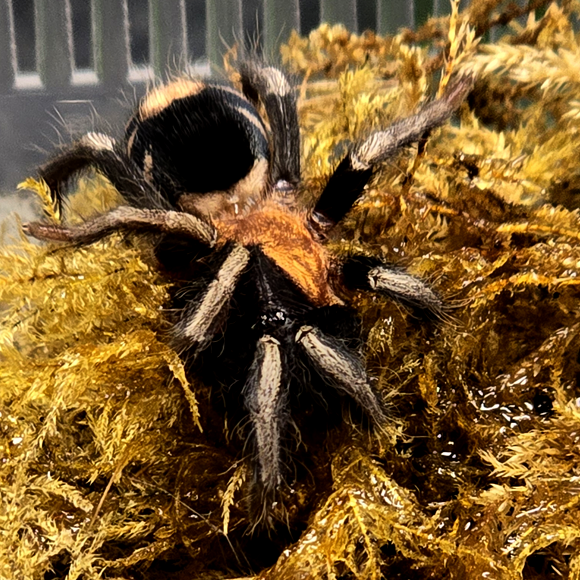
Species breeding reference
Breeding Notes
Cyriocosmus elegans isn’t the trickiest dwarf tarantula to breed, but it’s no walk in the park either. Get the humidity and temperatures right, take your time with conditioning, and be prepared for a lengthy, hidden egg sac phase. Success often depends on patience and not disturbing the little architect once she’s gone to ground. Don’t expect eggs on the first try, and be realistic about success rates—when it works, it’s a rewarding species to produce, but it can take a few attempts to get right.
Wild Breeding Season
This species likely breeds as the wet season rolls in, which happens around May through October in its native Venezuelan and Trinidadian forests. Shorter daylight in the dry season, then a ramp up in warmth and humidity with the rains is probably the natural cue for activity underground.
Wild Environmental Triggers
A steady climb in humidity and rainfall, paired with consistently warm nights and days, seem to signal these secretive spiders that it's time to seek out a mate. Disturbance from flooding or burrow saturation after rainfall could also prompt wandering and pairing.
Native Climate Context
Cyriocosmus elegans comes from tropical lowland forests, where the temperature stays in the mid-twenties Celsius and heavy rainfall marks the wet season. Humidity rarely drops below 65–80%. Even in the 'dry' months, conditions stay toasty and never truly arid.
Captive Breeding Window
Most successful captive pairings coincide with a rise in enclosure humidity and a slight uptick in temperature, mimicking late spring to summer conditions. May to October is a sensible window to attempt pairing, though some keepers have managed pairings year-round provided conditions are right.
Pre-pairing Conditioning
Well-fed, freshly moulted adults are a must, and it helps to gradually increase humidity over several weeks before introductions. Allow both to build or inhabit established burrows—rushing or introducing unprepared animals can cause stress or cannibalism. A gentle overflow of the water dish and more regular misting helps signal the ‘rainy’ season.
Male Introduction Guidance
It’s best to introduce the male in the evening, ideally into the female’s enclosure when she’s well-fed and calm. Keep interactions closely watched, as females can be unpredictable. Males should be able to retreat easily; a long, narrow enclosure or temporary partition can help if things get tense.
Female Readiness Signs
Look for a healthy, recently moulted female that’s webbed heavily near the surface or at her burrow entrance. She may linger outside her burrow more than usual and show curiosity when males are nearby. Reclusive or lethargic females aren’t likely receptive, so patience is key.
Post-pairing Conditions
After mating, keep conditions stable and on the humid side. Minimise disturbance, but maintain airflow and a moist-but-not-swampy substrate. Check periodically for signs of a sac but resist the urge to peek too often—patience pays off, as stress can lead to sac abandonment or eating.
Sac Timeline
Egg sacs are usually produced 4–8 weeks after a successful pairing, though there’s considerable variation. Some keepers report sacs turning up as early as three weeks or as late as twelve. Once produced, the female typically guards it closely underneath her burrow or in a webbed chamber.
Incubation Notes
Most allow the sac to remain with the female until the spiderlings hit first or second instar, which can take 4–7 weeks. Humidity must be kept up but not stifling. Attempting to pull the sac too soon is risky due to this species’ strong maternal instincts and small egg number.
Expected Sling Count
Clutches tend to be small compared to many tarantulas, often under 60 spiderlings. Some sacs may contain just 30–40, so don’t expect hundreds.
Risks and Cautions
This is a sensitive and sometimes cannibalistic species—pairings can turn fatal if either animal is not well prepared or if conditions aren’t just right. Egg sac failures and small offspring numbers are not uncommon, especially with inexperienced breeders. Only attempt breeding if you can provide stable, species-appropriate care and can accommodate slow growth and potential losses.
Evidence confidence: Medium