

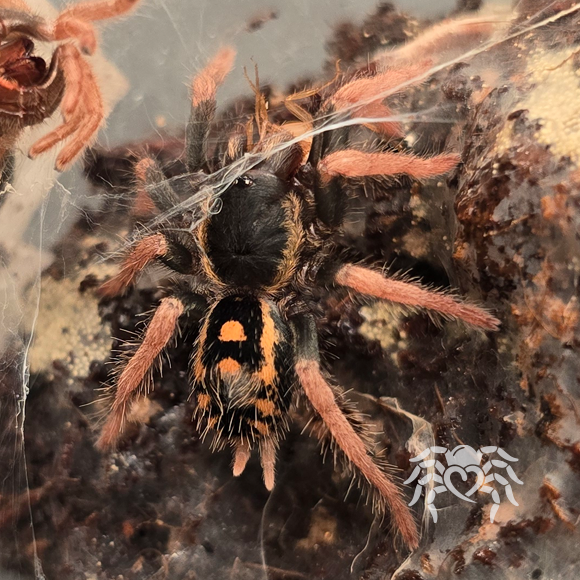

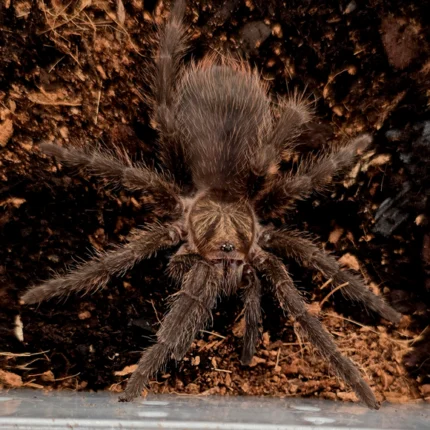
Hapalopus vangoghi
Price range: £25.00 through £200.00
Keeps to itself until the lights go out, then redecorates with webbing like it’s prepping for a midnight exhibition. Shy, swift, and not at all fussed about human approval.
Tell me when it is available
Hapalopus vangoghi—sometimes called the Van Gogh tarantula—hails from Colombia, where it prefers dishevelled leaf litter and unremarkable logs to art galleries. Terrestrial by instinct, they’ll happily dig modest burrows as slings, but adults often take to prowling the surface, occasionally redecorating with a half-hearted dab of web. Don’t expect Banksy levels of silk—more light minimalist flair than artistic excess.
Adults max out at a sensible 6–7 cm DLS: comfortably palm-sized without threatening to outgrow your enclosures. Females stretch out to 8–10 years in your company, while males are the blink-and-you’ll-miss-them crowd, three years if you’re lucky. Growth is brisk—slings quickly put on size, especially when kept warm and well-fed. They seem to believe in ‘make hay while the sun shines’ rather more enthusiastically than some of the more sluggish giants.
Temperament is a non-event: they’re skittish, not confrontational, and would sooner vanish into the décor than risk an argument. Bites are almost mythical; you’re more likely to see a blur disappearing than any real drama. Maintenance just requires awareness of speed—a careless moment and you’ll be retrieving a miniature sprinter from under the sofa. Humidity sits at 60–75%; a moist patch of substrate and a water dish covers it nicely, but adults tolerate the occasional dry spell so long as there’s a drink on offer.
Visibility is good for a ‘dwarf’—adults will patch about at dusk or mealtimes, and you’re more likely to spot your Van Gogh making mad dashes than sulking in a burrow. Great for keepers who actually want to see what’s inside the box. Feeding brings an energetic response, but don’t expect any comedy wrestling with forceps—they save their passion for prey, not their keepers.
In all, Hapalopus vangoghi is ideal for anyone after a small, lively tarantula with actual hobbies and a refreshing lack of melodrama. Just keep an eye on their speed and don’t expect silk showstoppers, and you’ll get plenty of opportunity to appreciate that orange brushwork in person.
Only logged in customers who have purchased this product may leave a review.
Species breeding reference
Breeding Notes
Species‑specific breeding data for Hapalopus vangoghi is lacking. We have no confirmed wild seasonality, captive pairing, sac timelines, or sling counts. Guidance must be highly tentative, drawing on close relatives and the native warm, humid habitat of lowland Colombia. If attempting breeding, proceed with caution, realistic expectations, and readiness for incomplete outcomes.
Breeding information for this species is a bit thin on the ground, so this guidance is based on the best available reports, native climate clues, and sensible keeper caution.
Wild Breeding Season
Information on the wild breeding season for Hapalopus vangoghi is not documented; Colombian lowland climates are warm and humid year-round, so breeding may not be tightly seasonal—treat this as cautious guidance rather than gospel.
Wild Environmental Triggers
Specific environmental triggers for H. vangoghi are unreported. In similar tropical species, seasonal rainfall or slight humidity fluctuations may prompt mating, but this lacks direct evidence—use as tentative context, not certainty.
Native Climate Context
Native lowland Colombia has consistently mild temperatures (~21–26 °C) and fairly regular rainfall—warm, humid, a touch damp—year-round, with no strong dry season indicated yet.
Captive Breeding Window
There are no confirmed captive breeding reports for H. vangoghi. Breeding timing is unknown and must be approached with caution; no firm window to rely on.
Pre-pairing Conditioning
No species‑specific conditioning data exists. General practice: maintain optimal temp (21–26 °C), moderate humidity (60–75 %), ensure well‑fed, healthy adults, allow slings to mature fully. Treat as inferred guidance from close relatives, not documented fact.
Male Introduction Guidance
No captive pairing reports exist. Likely similar to related species: introduce male cautiously once both are mature, in a neutral space with retreat for female; observe carefully. This is cautious inference, not confirmed species advice.
Female Readiness Signs
No documented data. Inferred signs from related species may include reduced movement, increased webbing or burrow preparation, abdomen swelling—but use this information very cautiously.
Post-pairing Conditions
No species‑specific post‑pairing observations. Based on general new‑world tarantula patterns: female may produce egg sac within weeks to a few months, needing stable, humid conditions (~60–75 %) and minimal disturbance. Treat as speculative support only.
Sac Timeline
Unreported for H. vangoghi. Many related species lay eggs sacs a few weeks to a couple of months after mating, but this is merely a cautious estimate.
Incubation Notes
No data for this species. For many small New World spiders, sac may incubate ~6–8 weeks; treat as very tentative guidance, not confirmed.
Expected Sling Count
No observations exist for H. vangoghi. Inferences from related small dwarf Hapalopus suggest clutch sizes in the tens to low hundreds—but this is speculative and not evidence‑based.
Risks and Cautions
Breeding this newly described species carries uncertainties: no documented pairing, egg sac, or incubation data. Slings are tiny, delicate, and hard to sex; stress, sac abandonment, fungus, or low hatch rate are possible. Keepers must be aware how little is truly known.
Evidence confidence: Low
UK Market Insight
Neutral UK availability and pricing context for this exact Species record.
Species care guide
Hapalopus vangoghi
Adult Size
6–7 cm diagonal leg span
Temperature
21–24°C
Humidity
60–75% RH
Temperament
Hapalopus vangoghi sports a lively but approachable temperament. Generally, they’re shy and don’t go looking for trouble—if startled, expect a rapid retreat rather than an eight-legged showdown. They’re skittish and will bolt rather than stand their (tiny) ground, so open the enclosure with care and avoid sudden movements. Very rarely defensive, their main priority is a speedy dash to safety. Perfect for those who fancy watching the spider Olympics at midnight, less ideal if you want a hand-tamed cuddle-buddy (which, spoiler alert: isn’t recommended anyway).
Defence
When our mini masterpieces feel threatened, their first port of call is the Usain Bolt sprint into their hide or burrow. If really pushed, they may flick urticating hairs at persistent pests (or nosy humans), so it’s best to approach enclosure maintenance with a gentle touch and, ideally, long tweezers. Bites are exceedingly rare and not part of their repertoire unless severely provoked. All in all, they’re defensive more by Olympic-level fleeing than confrontation.
Visibility
You’re in for a treat with Hapalopus vangoghi—they’re among the more visible ‘dwarf’ tarantulas! While slings and smaller juveniles may lurk in burrows for long spells, adults are often found out and about at dusk or during feeding time. They’ll web up the odd corner but rarely conceal themselves entirely. Their diurnal (and sometimes nocturnal) scampering makes them fun to watch—you can actually expect to see your spider fairly often, making them a positive feast for the eyes. Keep that enclosure nicely decorated for maximum viewing pleasure.
Experience Level
This is a fantastic choice for anyone from confident beginners to seasoned pros. Hapalopus vangoghi are forgiving of minor husbandry blips, don’t demand fussy care, and usually behave themselves at maintenance time. The main concern lies with their dainty size and speedy nature—youngsters especially can bolt faster than your mate given the bill at the pub! That said, with a bit of caution and respect, most hobbyists will find them a genuinely rewarding addition.
Webbing
While Hapalopus vangoghi isn’t quite the Banksy of the tarantula world, they do enjoy adding a bit of web-based décor to their homes. Expect modest sheets of webbing mixed with substrate, especially around their chosen hide or burrow entrance. They use it to reinforce tunnels, anchor feeding platforms, and generally keep things tidy. Webbing ramps up around moulting, turning their home into a private studio. Not the heaviest webbers in the hobby, but they definitely put their own artistic stamp on things.
Feeding
With Hapalopus vangoghi, mealtimes can be a highlight! Slings relish fruit flies, tiny roaches, or pre-killed pinhead crickets, offered every 4–5 days. As juveniles, they take small crickets or roaches once a week, and adults do well on appropriately sized crickets, dubia, or locusts every 7–10 days. These spiders often refuse food before moulting, so don’t panic if your Van Gogh goes on a hunger strike—just remove uneaten prey. Overfeeding can lead to unsightly blobby abdomens, so don’t ply them with endless buffets. Regularly check for moults and adjust prey size accordingly. Feeding response is robust and enthusiastic—they’ll pounce on prey, but will rarely scuffle with fingers. Avoid feeding immediately after a moult—give those fresh fangs time to harden. And as ever, a water dish makes a nice digestif after dinner.
Enclosure Recommendations
Enclosure wise, think small but not poky: a well-ventilated plastic box or acrylic enclosure works wonders, with a secure lid to prevent artistic escapes. A footprint of about 20x20 cm for adults is ample—remember, these are not marathon runners! Provide 5–10 cm of slightly moist substrate (coco fibre, soil or a mix) to let those legs scratch their burrowing itch. Add a snug bark or cork hide, and scatter a bit of moss or silk plant for décor (and humidity retention). A shallow water dish is essential, even for slings (tiny bottle caps work). Good cross ventilation keeps things fresh, while a handful of leafy detritus or a bit of clutter encourages natural behaviours. Keep tools on hand—these little speedsters can make maintenance day… exciting.
Final Thoughts
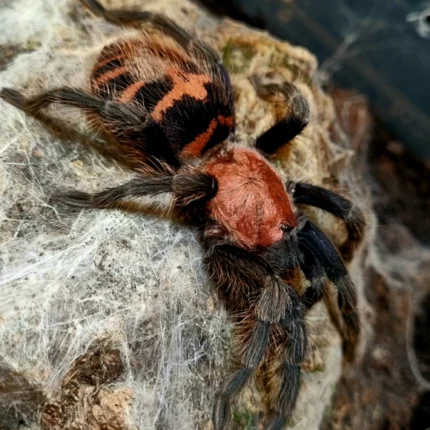
Hapalopus vangoghi is a delightful reminder that good things come in small packages. Their charming colouration (complete with Van Gogh’s signature orange brush-strokes) and lively antics make them a joy for keepers who appreciate an active, visible spood. They’re ideal for hobbyists with limited space or those seeking an easier starter species, while their zippy excavations and busybody energy entertain keepers of all stripes. Challenges are minimal: just mind their speed, their modest humidity needs, and their penchant for dramatic midnight jogs. All told, they’re a quirky, artistic addition to any spood collection—more Starry Night than Scream, as it were!
Species-specific guidance
Frequently Asked Questions
Is Hapalopus vangoghi a good choice for beginner tarantula keepers?
Absolutely! Hapalopus vangoghi, or the Van Gogh tarantula, is forgiving of minor husbandry hiccups and is generally well-behaved during enclosure maintenance. While their speed can surprise, they're suitable for confident beginners willing to exercise caution and respect. Just remember: The Spoodoire does not endorse handling of any tarantula.
How big does an adult Hapalopus vangoghi get?
Adult Hapalopus vangoghi are wonderfully compact, with females reaching about 6–7 cm diagonal leg span and males sometimes a little smaller or leggier. Their small adult size makes them an excellent option for those with limited space or anyone seeking a manageable, palm-sized arachnid.
What is the temperament of Hapalopus vangoghi like?
The Van Gogh tarantula is lively but not aggressive. Generally shy, they'll make a dash for cover at the first hint of disturbance rather than stand their ground. Defence is all about swift retreat, and while they might flick urticating hairs if truly stressed, they're rarely confrontational. Handling is not recommended.
How fast does Hapalopus vangoghi grow and how long do they live?
Hapalopus vangoghi boasts a brisk growth rate—slings can become juveniles within a year, with females reaching maturity in 2–3 years. Males mature a little quicker. Females may live 8–10 years, while males usually manage 3–4. It’s a lively little species that won’t keep you waiting too long between life stages.
How should I feed my Hapalopus vangoghi and what is their feeding response like?
Feeding Hapalopus vangoghi is straightforward: slings enjoy fruit flies or pinhead crickets every 4–5 days, juveniles take small crickets or roaches weekly, and adults thrive on similar prey every 7–10 days. Their feeding response is enthusiastic but not defensive. Avoid feeding right after moulting and always provide a water dish.
What are the ideal humidity and moisture levels for Hapalopus vangoghi?
Aim for 60–75% relative humidity for Hapalopus vangoghi. Keep the substrate slightly moist—particularly near their hide—and offer a shallow water dish. Mist weekly or spill water to maintain dampness, but let the top layer dry between waterings. Good ventilation is vital to prevent mould; adults are forgiving but slings need it a bit damper.
What type of enclosure does Hapalopus vangoghi require?
Provide a secure, well-ventilated enclosure, roughly 20x20 cm for adults. Offer 5–10 cm of slightly moist substrate for tunnelling and burrowing, plus a sturdy hide. Add décor like moss, leaf litter or silk plants, and ensure good cross-ventilation. A shallow water dish is essential, even for slings. Avoid placing heat mats underneath the enclosure.
How visible is Hapalopus vangoghi in captivity? Will I see much of it?
You’ll see more of Hapalopus vangoghi than many other dwarf tarantulas. While young spiders may burrow and hide, adults are often visible at dusk or feeding time, exploring or webbing around their enclosure. They rarely conceal themselves entirely, making them a genuinely enjoyable species to observe.


Reviews
There are no reviews yet.