

Breeding Notes
Hapalopus vangoghi
Species-specific breeding guidance, seasonal context and practical caveats for experienced keepers.
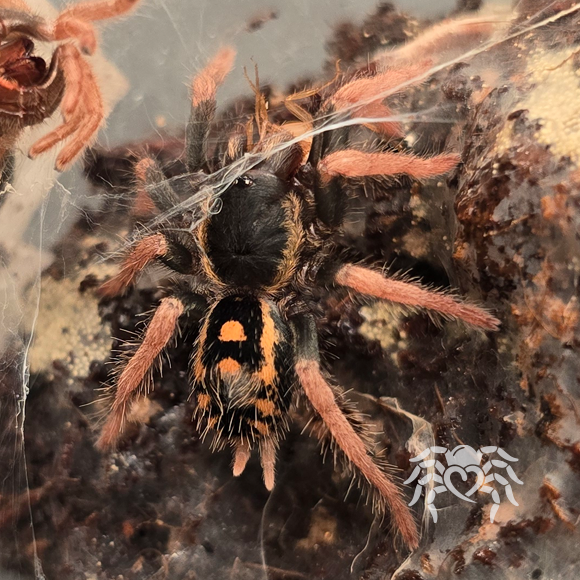
Species breeding reference
Breeding Notes
Species‑specific breeding data for Hapalopus vangoghi is lacking. We have no confirmed wild seasonality, captive pairing, sac timelines, or sling counts. Guidance must be highly tentative, drawing on close relatives and the native warm, humid habitat of lowland Colombia. If attempting breeding, proceed with caution, realistic expectations, and readiness for incomplete outcomes.
Breeding information for this species is a bit thin on the ground, so this guidance is based on the best available reports, native climate clues, and sensible keeper caution.
Wild Breeding Season
Information on the wild breeding season for Hapalopus vangoghi is not documented; Colombian lowland climates are warm and humid year-round, so breeding may not be tightly seasonal—treat this as cautious guidance rather than gospel.
Wild Environmental Triggers
Specific environmental triggers for H. vangoghi are unreported. In similar tropical species, seasonal rainfall or slight humidity fluctuations may prompt mating, but this lacks direct evidence—use as tentative context, not certainty.
Native Climate Context
Native lowland Colombia has consistently mild temperatures (~21–26 °C) and fairly regular rainfall—warm, humid, a touch damp—year-round, with no strong dry season indicated yet.
Captive Breeding Window
There are no confirmed captive breeding reports for H. vangoghi. Breeding timing is unknown and must be approached with caution; no firm window to rely on.
Pre-pairing Conditioning
No species‑specific conditioning data exists. General practice: maintain optimal temp (21–26 °C), moderate humidity (60–75 %), ensure well‑fed, healthy adults, allow slings to mature fully. Treat as inferred guidance from close relatives, not documented fact.
Male Introduction Guidance
No captive pairing reports exist. Likely similar to related species: introduce male cautiously once both are mature, in a neutral space with retreat for female; observe carefully. This is cautious inference, not confirmed species advice.
Female Readiness Signs
No documented data. Inferred signs from related species may include reduced movement, increased webbing or burrow preparation, abdomen swelling—but use this information very cautiously.
Post-pairing Conditions
No species‑specific post‑pairing observations. Based on general new‑world tarantula patterns: female may produce egg sac within weeks to a few months, needing stable, humid conditions (~60–75 %) and minimal disturbance. Treat as speculative support only.
Sac Timeline
Unreported for H. vangoghi. Many related species lay eggs sacs a few weeks to a couple of months after mating, but this is merely a cautious estimate.
Incubation Notes
No data for this species. For many small New World spiders, sac may incubate ~6–8 weeks; treat as very tentative guidance, not confirmed.
Expected Sling Count
No observations exist for H. vangoghi. Inferences from related small dwarf Hapalopus suggest clutch sizes in the tens to low hundreds—but this is speculative and not evidence‑based.
Risks and Cautions
Breeding this newly described species carries uncertainties: no documented pairing, egg sac, or incubation data. Slings are tiny, delicate, and hard to sex; stress, sac abandonment, fungus, or low hatch rate are possible. Keepers must be aware how little is truly known.
Evidence confidence: Low