



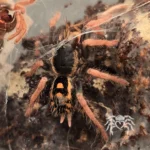
Harpactira namaquensis
Price range: £16.00 through £100.00
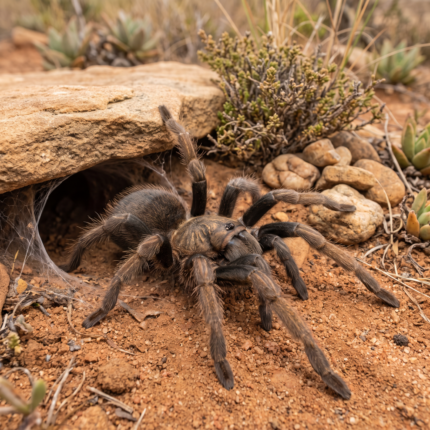
Excels at vanishing acts and subtle landscaping; expect to spot freshly-dug tunnels long before you catch the spider itself considering public appearances.
Tell me when it is available
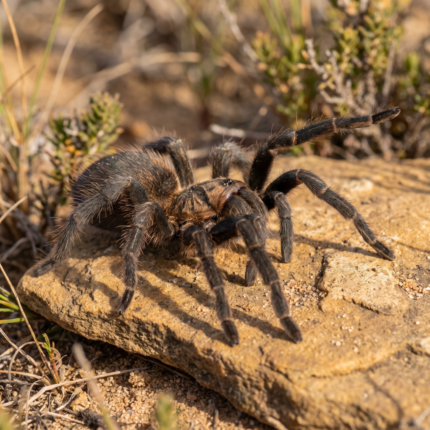
Harpactira namaquensis comes from the arid scrub and wildflower zones of Namaqualand, where it avoids both the baking midday sun and chilly nights by burrowing deep underground. A true digger at heart, this terrestrial tarantula spends much of its life modifying its lair and occasionally resurfacing to remind you it is, in fact, still alive. Juveniles can all but vanish for weeks, helpfully leaving behind a few scattered dirt mounds as their only calling card. Adults are marginally bolder, especially come nightfall, when you might catch them lurking at their burrow entrance or stretching out post-moult.
Not a tarantula for the impatient, but rewarding if you enjoy the slow reveal. H. namaquensis grows to a respectable 10–12 cm diagonal leg span—large enough to impress, but not so large you need another room for it. Females set the pace in longevity, typically outliving the leggier, short-lived males by a significant margin.
The general temperament is nervous rather than outright defensive; their idea of a threat display is vanishing at impressive speed. Bites are extremely rare if you leave them be, but this is still an old world species—fast, not cuddly, and definitely best respected. Expect a modest amount of webbing (mostly as a tripwire around the burrow) and a hearty appetite; they’ll dispatch crickets and roaches with enthusiasm, though overfeeding quickly leads to a rotund spider. Housing them is straightforward: dry, deep substrate, good ventilation, and a reliable water dish are all you really need. Give them room to dig—fiddly décor is lost on them.
Best suited for keepers with some experience around old world species and the patience to enjoy a spider whose best behaviours happen underground. They’re a bit of a connoisseur’s choice: unflashy but robust, and much more interesting than their reputation suggests.
Only logged in customers who have purchased this product may leave a review.
Species breeding reference
Breeding Notes
Breeding H. namaquensis is no walk in the park, mostly suited to keepers with solid experience and patience to work with shy, burrowing types from dry climates. With little in the way of firm captive reports, most advice here comes from observing close kin and matching native conditions—think spring warmth, a touch of rain, but nothing soggy. Pair cautiously, watch for trouble, and don’t expect a quick turnaround from pairing to slings. The result, if successful, is a handful of rugged little diggers—but getting there is strictly for those who appreciate a challenge and don’t mind a bit of guesswork along the way.
Breeding information for this species is a bit thin on the ground, so this guidance is based on the best available reports, native climate clues, and sensible keeper caution.
Wild Breeding Season
Precise wild breeding seasonality for Harpactira namaquensis hasn’t been formally documented, but considering its native Namaqualand roots, most activity likely links to the region’s spring and early summer—when temperature and humidity become a touch milder than the harshest dry months.
Wild Environmental Triggers
Breeding in the wild is probably nudged along by subtle increases in humidity after rare seasonal rains, moderate night-time cooling, and a general uptick in insect activity. These slightly gentler seasonal shifts tend to coincide with the end of the region’s dry winter.
Native Climate Context
Coming from southern Namibia and north-western South Africa, H. namaquensis puts up with hot, dry days and brisk, chilly nights for much of the year, with bursts of more forgiving conditions in the spring and early summer. This arid climate fosters hardy, burrowing behaviour and quick responses to short windows of improved conditions.
Captive Breeding Window
Best results seem to come from pairing attempts during the early part of the Southern Hemisphere’s spring, which you can replicate with a gentle rise in temperature and a very modest humidity bump—never sodden, just enough to hint at wetter times.
Pre-pairing Conditioning
Females should be well-fed and freshly moulted before pairing is considered. You’ll want to slightly increase feeding and perhaps introduce a tiny bit of extra moisture one to two weeks beforehand, but keep things mostly dry and airy. Too much humidity is a bigger risk than too little.
Male Introduction Guidance
Introduce the male in the evening when both spiders are most active. Keeping part of the enclosure partitioned allows you to monitor reactions safely. Gentle coaxing with a brush can work, but always be ready to separate them if the female seems agitated. Leaving the male overnight is high risk—supervise every interaction.
Female Readiness Signs
A receptive female requires a plump, hydrated appearance, regular activity at burrow entrances (especially after a moult), clear webbing around her lair, and no signs of pre-moult.
Post-pairing Conditions
Maintain mostly dry substrate and stable temperatures, with just a hint of extra humidity for a week or two after a successful pairing. Keep her well-fed and stress-free. Avoid heavy disturbances or enclosure changes after mating.
Sac Timeline
No confirmed records for exact sac timing in captivity, but you’re likely looking at a period of 6–10 weeks before an eggsac appears, judged roughly by close relatives. Treat this as a rough estimate and monitor her for signs of eggsac production.
Incubation Notes
Leave the eggsac with the female for the first few weeks if she isn’t disturbed. If artificial incubation becomes necessary, keep conditions moderately dry, as excessive moisture risks mould. Airflow is crucial. Check for spiderlings after 5–7 weeks, but handle with caution—these spiders are prone to stress.
Expected Sling Count
Eggsac yield is uncertain but probably moderate—around 40–80 slings per sac, judging by genus patterns rather than hard data. Prepare for the possibility of fewer or a bit more, but don’t expect big numbers like you might with larger baboons.
Risks and Cautions
Mismatched humidity is a notable risk—these spiders abhor soggy conditions, and overdoing the moisture leads to disaster fast. H. namaquensis can be secretive and skittish, so slow, careful introductions are crucial. Cannibalism is always a danger, particularly if the female is under-fed or moulting. Only experienced, patient breeders should attempt this species, and always have a backup plan for failed pairings.
Evidence confidence: Low
UK Market Insight
Neutral UK availability and pricing context for this exact Species record.
Species care guide
Harpactira namaquensis
Adult Size
10–12 cm diagonal leg span
Temperature
22–26°C daytime
Humidity
50–60% RH
Temperament
Harpactira namaquensis has a reputation for being reasonably chill as far as old worlds go. Most individuals are nervous rather than aggressive; their default threat response is to vanish down a burrow at the speed of light. While not the tarantula you’ll want to cuddle, they aren’t especially defensive if left unprovoked—though do expect a feisty slap or two if you poke about their den. Nimble and quick, so always use caution during maintenance, particularly with slings or reclusive individuals.
Defence
No urticating hairs here—defence is all about making a dramatic exit. H. namaquensis will bolt for cover at the first hint of disturbance, preferring to trust in speed and secrecy over confrontation. If really pressed, they might rear up and display fangs, but actual bites are rare when proper respect is shown. Always give your spider its space, use tools to move decor and never attempt to handle, and you’ll both remain injury-free.
Visibility
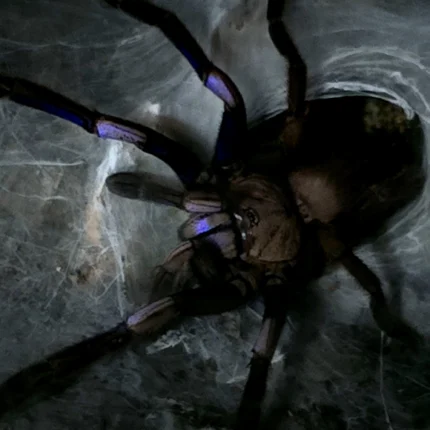
As a digger, H. namaquensis is sometimes more rumour than resident—especially as a juvenile. Expect long periods where all you see is the occasional rearranged dirt pile. Adults are bolder, often hanging near their burrow entrance in the evenings or at night. Patient keepers are rewarded by glimpses of fascinating behaviour, especially feeding time or post-moult stretches. Their subtle beauty and mysterious presence are half the fun—you never know when you’ll catch them out and about.
Experience Level
While not the most defensive or heartbreakingly fast tarantula out there, Harpactira namaquensis is still an old world species and comes with all the usual caveats. We recommend them for intermediate keepers: those comfortable working around fast, non-urticating tarantulas and experienced with maintaining dry, well-ventilated enclosures. Beginners might find their speed and vanishing act daunting, but a patient novice who’s done their homework might manage just fine.
Webbing
These aren’t the tarantula world’s greatest knitters—but you’ll find some fine, silken decorations, especially lining the entrance of burrows or hiding spots. Webbing serves as a tripwire, helping them sense what’s lurking outside. Don’t expect elaborate tunnels or canopy hammocks, but they do put on a satisfying show when expanding their lair. Little wisps and carpets of silk will reveal where the action is happening, even if you don’t spot the spider itself.
Feeding
Spiderlings will take on pre-killed or tiny live prey—think pinhead crickets or flightless fruit flies, offered 1–2 times a week. Juveniles and adults relish crickets, roaches, mealworms, and the odd locust, fed once every 7–10 days. Adjust frequency after moults or for fast growers. Their feeding response is enthusiastic but rarely reckless (no crocodile rolls here!), and they may skip meals before a moult. Remove uneaten prey after 24 hours to avoid moult mishaps and don’t overfeed—this species can get a bit chunky if you’re too generous. Always provide water, even if actual drinking is rarely witnessed—and remember, a plump abdomen is normal, but the Michelin tarantula look is to be avoided.
Enclosure Recommendations
A terrestrial setup that accommodates their love for digging is essential. For adults, a 30x30x30 cm enclosure works well. Provide at least 15 cm (the more, the merrier) of dry, compactable substrate such as coco fibre, peat or topsoil for burrowing. Add a secure hide if they’re slow to dig. Ventilation is a must, so look for enclosures with cross-ventilation holes. A shallow but sturdy water dish is non-negotiable. Keep décor simple—rocks and cork bark are perfect. Avoid sharp edges and anything that can roll. For slings, a deeper deli cup or small plastic box with pre-made starter burrows and breathable lid works wonders. Check that the enclosure is escape-proof—these spiders are strong for their size and not above staging a daring jailbreak.
Final Thoughts
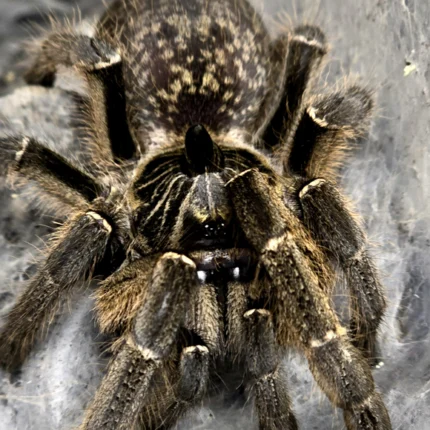
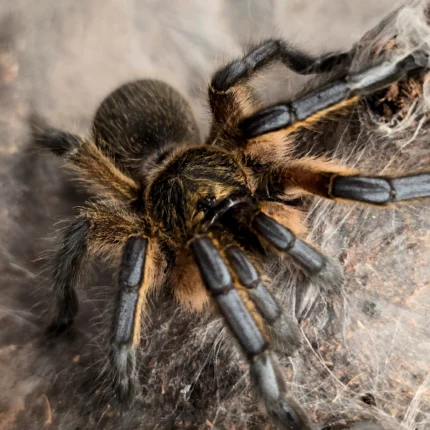
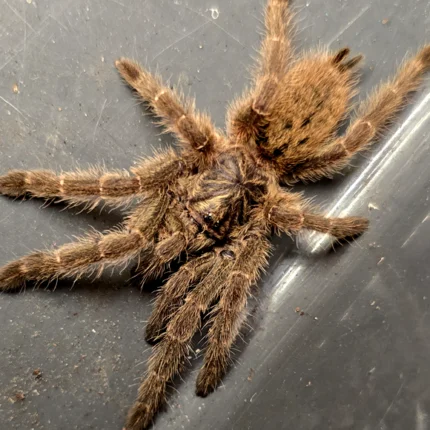
Harpactira namaquensis is an underrated gem, particularly if you enjoy the thrill of secretive, fossorial spiders with a touch of boldness. They thrive with simple but attentive care, rarely cause drama, and reward patient keepers with flashes of personality and the odd athletic feeding display. The main challenge is their tendency to vanish underground for stretches—so if you crave a permanent centrepiece, they may try your patience (and observation skills). Nevertheless, their resilience, moderate size, and beautiful appearance—think golden highlights and classic old world flair—make them a fabulous addition for intermediate hobbyists craving something both hardy and rewarding, with all the mysterious charm a tarantula can muster between naps.
Species-specific guidance
Frequently Asked Questions
Is Harpactira namaquensis suitable for beginner tarantula keepers?
Harpactira namaquensis is best suited for intermediate tarantula keepers. While not excessively defensive, it's a fast old world species with a penchant for burrowing and vanishing acts. If you've experience with quick species and maintaining dry, well-ventilated enclosures, you'll find them rewarding. Cautious, patient novices might manage, but confident beginners may wish to look elsewhere first.
What size does an adult Harpactira namaquensis reach?
Adult Harpactira namaquensis typically grow to around 10–12 cm in diagonal leg span. Females tend to be chunkier and outlive the leggier, short-lived males. Their medium size strikes a balance—large enough to impress, but not so massive you need to clear a whole new shelf.
How fast does Harpactira namaquensis grow?
Harpactira namaquensis shows a medium growth rate. Spiderlings may linger at smaller sizes for a while, but with the right feeding and warmth, you'll notice occasional brisk growth spurts. Each individual varies, so patience pays off—don’t be surprised if some power through while others seem to dawdle.
What is Harpactira namaquensis like in terms of temperament and defence?
Generally, Harpactira namaquensis is more nervous than aggressive. Their main defence is a lightning dash into a burrow rather than confrontation. Rarely defensive unless provoked, they may rear up if pushed, but actual bites are uncommon. They lack urticating hairs and rely on their speed and caution to stay safe.
How visible will my Harpactira namaquensis be in its enclosure?
Expect your Harpactira namaquensis to spend a fair bit of time underground, especially as a juvenile. Adults can be bolder, lingering near burrow entrances in the evenings, but overall, this is a secretive species. Patient keepers will enjoy occasional sightings and fascinating glimpses of feeding or post-moult behaviour.
What kind of enclosure does Harpactira namaquensis need?
A terrestrial setup with deep, compactable substrate (at least 15 cm for adults) is perfect for Harpactira namaquensis, allowing their burrowing instincts free rein. Well-ventilated enclosures, a secure hide, and a shallow water dish are essential. Simple décor like rocks and cork bark suffice, and the enclosure should be escape-proof—they’re stronger than they look!
How should I feed my Harpactira namaquensis, and what is their feeding response like?
Feed Harpactira namaquensis spiderlings pre-killed or tiny live prey once or twice a week—think pinhead crickets or fruit flies. Juveniles and adults take crickets, roaches, or the occasional locust every 7–10 days. Their feeding response is enthusiastic but not reckless, and uneaten prey should be removed after 24 hours. Water should always be available, regardless of whether you see them drinking.
What humidity and moisture levels does Harpactira namaquensis require?
Aim for a moderate humidity of around 50–60% with Harpactira namaquensis. The substrate should be mostly dry, with perhaps a slightly damp corner for slings or those freshly moulted. Overly wet conditions are unwelcome—good airflow and a dry base work best. Always provide a clean water dish and gently spritz only if necessary for juveniles.


Reviews
There are no reviews yet.