



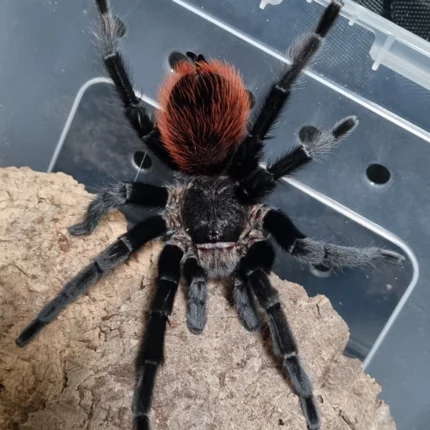
Pamphobeteus sp. “mascara”
Price range: £20.00 through £160.00
Face like a panto villain, appetite like a Labrador—often visible, but just as likely to sulk under a slab until the mood for a dramatic pose takes hold.
Tell me when it is available
Pamphobeteus sp. “mascara” is a classic, no-nonsense South American terrestrial with a taste for dramatic décor and humid conditions. Native to Ecuador’s leaf-littered rainforest floors, they thrive on a mix of deep substrate, chunky hides and plenty of peace and quiet. Expect fossorial antics as slings and juveniles—burrowing and tidying as only Pamphos can—though adults are more likely to be found lingering outside their hide at dusk, especially if a meal is on the cards.
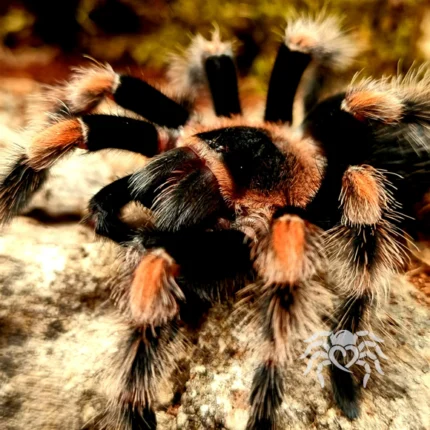
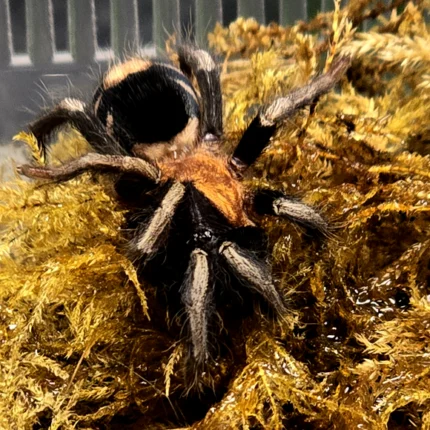
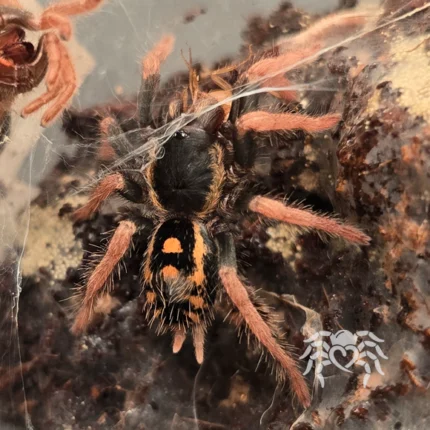
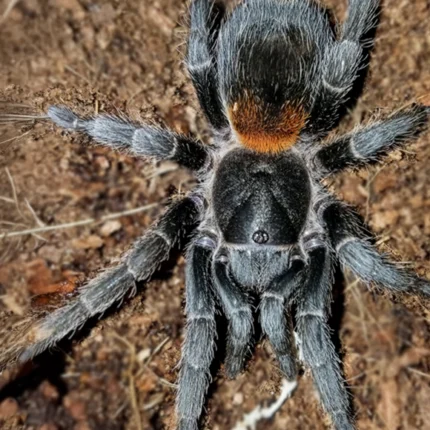
This species grows rapidly compared to more sedate cousins; slings can reach imposing adult size in just a few years if kept warm and well fed. Females easily achieve a 17–20 cm leg span, with males hanging back at a still-respectable 15–17 cm. Vivid “mascara” markings make them quite the display piece after a moult, though they favour the classic tarantula approach to visibility: some days bold-as-brass, others vanished beneath the décor.
Temperament is classic Pamphobeteus: dramatic when it suits them, but usually more bark than bite. They’ll show off the odd threat pose and kick a cloud of urticating hairs if pressed, but mostly prefer a sharp retreat over actual confrontation. Not unnecessarily aggressive, but quick enough to give keepers a surprise if not paying attention.
Offer a cross-ventilated enclosure with a footprint thrice their leg span, at least 10–15 cm depth of moist substrate, sturdy hides, and a generous water dish (preferably not knocked over within minutes). Keep humidity at 70–80% and temperatures in the 22–26°C range. Regular, moderate feeds and removal of leftovers prevent drama when they’re nearing a moult. Not the species for those fond of intricate webs, but their silk is just enough to keep things interesting.
Suited to the intermediate or confident beginner who can maintain humidity without turning the enclosure into a swamp. If you appreciate a tarantula that redecorates more often than a student landlord, you’ll find Pamphobeteus sp. “mascara” endearingly forthright.
Only logged in customers who have purchased this product may leave a review.
Species breeding reference
Breeding Notes
Pamphobeteus sp. “mascara” is a challenging breeding prospect, best left to those with solid experience and plenty of patience. There’s no recipe for guaranteed success, and most advice borrows heavily from closely related species. If you’re game, mimic the rainforest monsoon—warm, humid, and steady—and give your spiders deep, damp substrate and peace. Don’t rush introductions, expect the odd bust-up, and know that even perfectly kept pairs often produce nothing. If you pull it off, you’ll have handled one of the hobby’s trickier rainforest giants.
Breeding information for this species is a bit thin on the ground, so this guidance is based on the best available reports, native climate clues, and sensible keeper caution.
Wild Breeding Season
There isn’t a firm wild breeding season pinned down for Pamphobeteus sp. “mascara,” but looking at their rainforest home, they likely breed in line with the region’s wet season, which hits hardest from March through November. Like many tropical species, their window for romance runs long, with rain and rising humidity acting as nature’s cue.
Wild Environmental Triggers
In the wild, these spiders are probably spurred on by regular rains, higher humidity, and stable warmth. A surge in moisture, coupled with a reliably cosy temperature, sets the stage for courtship and egg sac production. Think damp leaf litter, loamy soils, and the lingering smell of rainfall—just the thing to tempt a burrower above ground for pairing.
Native Climate Context
Their range takes in wet, humid rainforest foothills, with temperatures rarely straying below 13°C and plenty of rainfall throughout the year. Humidity sticks high, mostly over 80% during peak rains, and there’s rarely a true dry spell. Occasional drier months may give spiders a short natural pause, but generally, these are creatures of constant warmth and regular drizzles.
Captive Breeding Window
Captive pairings seem most successful when timed with your enclosure’s own rainy season. That means a bump in humidity—gentle misting, a more generous pour-down, or just keeping things extra moist. UK rooms aren’t wild Ecuador, so do your best to match the wet season vibe from late winter through autumn. This isn’t a strict calendar slot; focus on maintaining those warm, damp cues.
Pre-pairing Conditioning
Fat and healthy is the goal—feed both spiders up over at least a month, and make sure the female’s abdomen is plump but not bursting. Up humidity and offer deep, damp substrate with regular waterings. Let things settle, with minimal disturbance, for a couple of weeks before thinking about introductions. No injuries, no recent moults, and definitely no skinny spiders.
Male Introduction Guidance
Introduce the male into the female’s enclosure late in the day, ideally after a small feed for both. Give the pair plenty of space, and remove obstacles that might trap a fleeing male. Stay close—the female can be feisty, and a quick intervention may be needed. If the female shows no interest or becomes aggressive, try again after a week or so. Patience and a long hook are your friends here.
Female Readiness Signs
A female ready for pairing tends to be well-fed, spending more time at or near the entrance of her burrow, sometimes webbing more at the surface. If she’s freshly moulted, wait at least a month. A pink or plump abdomen and willingness to roam are good hints she may accept a suitor, but every spider is different.
Post-pairing Conditions
After pairing, return conditions to their pre-intro state: keep humidity high and temperatures in the comfy range. Leave the female undisturbed with a solid hide and a deep, moist patch for burrowing. Feeding can resume a week or so after, but keep handling and enclosure fuss to a minimum—let her settle and focus on egg sac prep if fertilisation’s taken.
Sac Timeline
Pamphobeteus species often take 6 to 10 weeks from pairing to a completed egg sac, though this can vary. If you’re lucky, you’ll spot extra webbing and burrow work a few weeks in. Don’t be hasty—if she’s made a sac, resist the urge to peek for at least six weeks. Yanking it early does more harm than good.
Incubation Notes
Leave the sac with the mother wherever possible—she knows what she’s doing. If you have to pull the sac, match the heat and humidity of her enclosure as closely as possible. These sacs like it warm (around 25–27°C) and damp (70–80% RH), with gentle turning if you’re artificially incubating. Fresh ventilation is key; stagnant air invites mould.
Expected Sling Count
Large South American Pamphobeteus sacs often yield 100–200 spiderlings, sometimes more in big, robust females, but don’t count your slings before they hatch—numbers can vary widely and failed sacs aren’t rare.
Risks and Cautions
Pairing carries risks—female aggression is common, and males often don’t survive the ordeal. Failed sacs and low fertility are frequent complaints, even among experienced keepers. Fungus and mould threaten both eggs and young if air is stale or things get swampy. Keep expectations realistic: this isn’t an easy project and losses are part of the game, even for pros.
Evidence confidence: Low
UK Market Insight
Neutral UK availability and pricing context for this exact Species record.
Species care guide
Pamphobeteus sp. “mascara”
Adult Size
17–20 cm leg span
Temperature
22–26°C (daytime)
Humidity
70–80% RH
Temperament
Pamphobeteus sp. “mascara” is often called the drama queen of the spider world—bold, occasionally skittish, and sometimes moody, but rarely outright aggressive. Most would rather make a break for cover than square up, though they might throw an impressive threat posture if bothered. Speed-wise, they can shift when spooked, so don’t let their hefty build lull you into a false sense of security. Keeping things calm and disturbance minimal usually means a confident but manageable roommate, though always expect the occasional diva performance.
Defence
When feeling threatened, Pamphobeteus “mascara” might retreat rapidly or drum up a threat pose complete with flicking those urticating hairs. These hairs can be quite irritating to skin and especially eyes, so treat moulted skins and cleaning with respect. Gloves aren’t a terrible idea if you’re sensitive. Generally, they’d prefer to be left to their spider business rather than go on the offensive, but don’t underestimate their ability to act like a furry cannonball if they feel cornered.
Visibility
Not just a pretty face—Pamphobeteus “mascara” tends to be fairly visible for a large terrestrial. Juveniles especially will parade around their tank, exploring and bulldozing their setup at dusk or after a meal. Adults, while fond of their hides, are still seen out and about, making for excellent display specimens. Don’t be surprised to see yours lounging on open ground in the evening, waiting for unsuspecting feeders. If you enjoy a spider you can actually see, this species ticks the box.
Experience Level
These striking tarantulas are best suited to the intermediate or confident beginner keeper. They’re not particularly difficult—no arcane rituals required—but their size, speed, and sensitivity to poor humidity mean they’re not the best choice for anxious first-timers. Steady hands, a respect for urticating hairs, and a willingness to tweak humidity and ventilation go a long way. In return, you’ll get a stunning, active spider with bags of personality.
Webbing
Pamphobeteus “mascara” isn’t winning any ‘best web’ awards, but don’t count them out entirely. While you won’t get the miracles of silk some arboreals offer, you’ll still spot some tidy silk carpet around entrances to burrows or under hides, especially after a moult or before a meal. This webbing helps them detect vibrations from prey and keeps living quarters tidy. So, not a minimalist, but not a maximalist either—call it ‘webbing with taste’.
Feeding
These chunky spiders have healthy appetites, so you can offer crickets, locusts, dubia roaches, or other appropriately-sized inverts. Slings do best on twice-weekly feeds of pre-killed micro roaches or baby crickets. Juveniles thrive on live prey once or twice a week, adjusting size as they grow. Adults will quite happily demolish a large locust or roach every 7–10 days. Feeding response is often explosive—watch your fingers at mealtime! Avoid overfeeding, which leads to a dangerously chunky tarantula (not cute for their health), and always remove uneaten prey after 24 hours to prevent midnight cricket shenanigans or stress during moulting. Remember: a hungry Pamphobeteus is a curious, active Pamphobeteus, but don’t overdo it!
Enclosure Recommendations
Give them space to strut—adults do best in an enclosure with a footprint at least three times their leg span, and decent depth for substrate (10–15 cm works well). A secure, well-ventilated glass or clear plastic box works best. Offer at least one robust hide; cork bark is a favourite. Deep substrate of coco fibre, peat or a loam mix allows for burrowing and moisture retention. Add a water dish deep enough for drinking but shallow enough to avoid drowning drama. Cross-ventilation is a must for airflow, and keep the enclosure out of direct sun and drafts. Skip complicated décor—these spiders often bulldoze their setup anyway, redecorating as they please, so decor should be safe and stable.
Final Thoughts
Pamphobeteus sp. “mascara” is the total package for anyone after impressive size, gorgeous colour, and that South American flair. They flaunt lush markings and have bags of attitude, but with the right setup, they’re surprisingly easy-going. Great for those who love big, bold display tarantulas but don’t want the drama of a true psycho. Humidity, good ventilation, and a chunky enclosure, and you’ll be treated to years of activity, redecorating, and the occasional diva moment. Not for nervous beginners, but a joy for keepers ready for something a shade more epic than your average Brachy or Grammo.
Species-specific FAQs are not available yet.
Related products


Reviews
There are no reviews yet.