


Hapalopus formosus
Price range: £5.00 through £35.00
Dashes for cover faster than your reflexes and redecorates nightly, leaving you to wonder if you even own a spider or just a particularly energetic patch of web.
Tell me when it is available
Overview
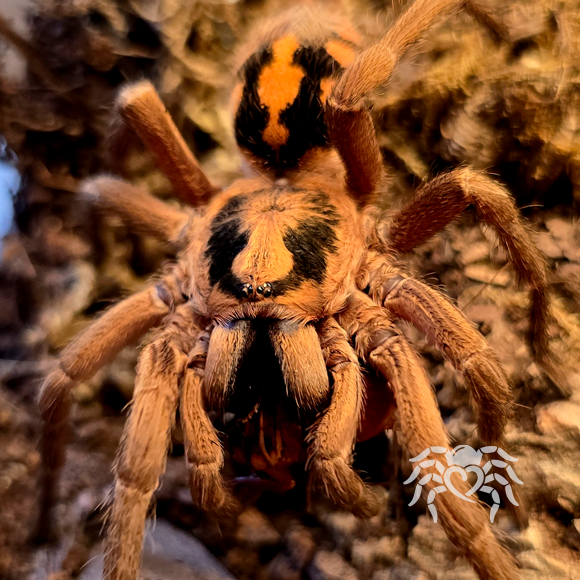
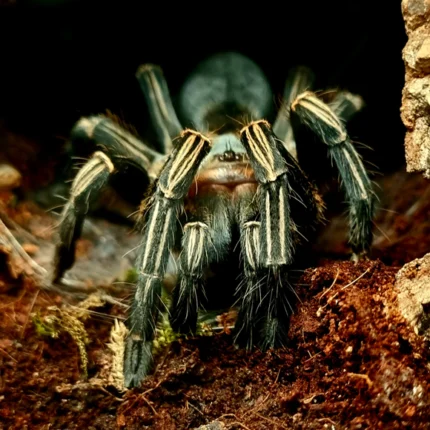
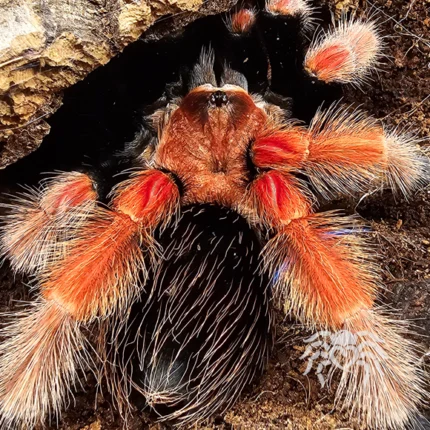
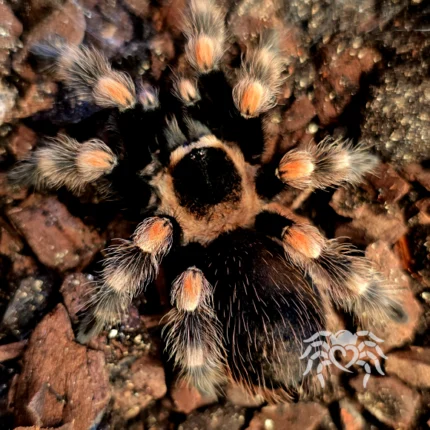
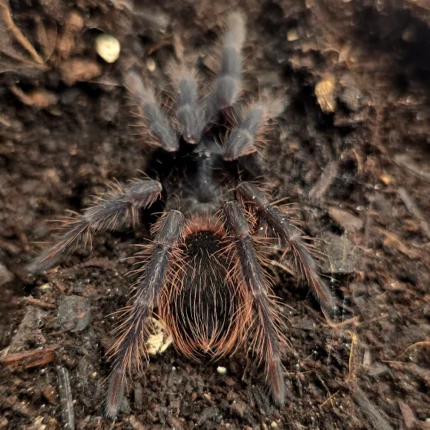
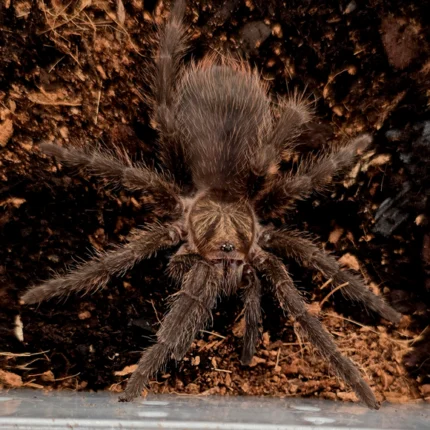
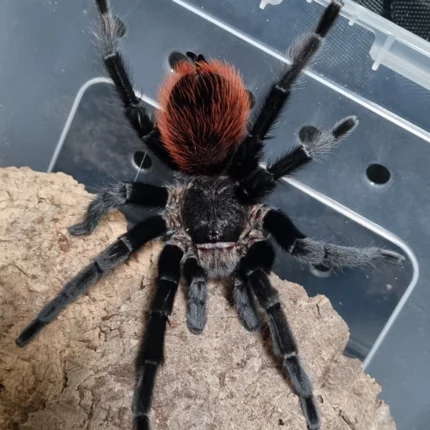
Hapalopus formosus, more commonly known as the Pumpkin Patch Tarantula, is a small, terrestrial species hailing from the humid lowland forests of Colombia. With its characteristic orange ‘pumpkin’ markings, it draws plenty of looks—and, mercifully, keeps those looks throughout adulthood. Unlike many larger cousins, these are compact, fast, and rather prolific at rearranging substrate and webbing anything left in their path.
Origin & Lifestyle
In the wild, they’re found under leaf litter, amongst roots, and curled up under fallen branches where warmth and moisture are reliable but never excessive. You’ll want to recreate this in captivity: think generous substrate for shallow burrows, plenty of hide options and only mild humidity. They’re largely terrestrial but have an undeniable fondness for digging. Given half the chance, they’ll build tunnels and web hideouts, every now and then making a very public appearance just to remind you they exist.
Size & Lifespan
Fully grown females reach 7–10 cm diagonal leg span, with males often a touch smaller and rather less long-lived (2–3 years post-maturity). Females, on the other hand, will easily see 7–10 years with even half-decent care. Either way, don’t expect anything nearly dinner plate-sized—this is one for those who prefer their spiders on the dinky side and don’t mind the odd vanishing act.
Husbandry Notes
- Enclosure: More floor space than height; a well-ventilated plastic tub or glass tank works best. At least 7–10 cm of diggable substrate is highly recommended.
- Temperature & Humidity: Keep them at a steady 21–26°C, with humidity around 65–75%. Avoid swampy conditions; moist at one end, dry at the other, with brisk ventilation.
- Webbing: Prolific to the point of dramatic. Expect regular enclosure renovations—overnight webs, fresh tunnels, and substrate redecorated to their taste.
- Feeding: Slings eat heartily; small prey every 4–5 days. Adults do well with weekly crickets or similar. Don’t overfeed: a plump tarantula may refuse meals (or look faintly ridiculous).
Temperament & Observability
Despite their size, they have energy to spare—more inclined to bolt than bluster. Handling isn’t advised, largely for your sake and theirs: they’re swift, and not especially enamoured of being picked up. Most days they’ll be visible, especially with sufficient cover. Give them a choice of burrows and they’ll still pop out for a stroll or to show off their handiwork, generally at dusk.
Who’s It For?
Best suited to those with a bit of prior experience—or novices who can keep their wits (and fingers) about them. Easy to keep, provided you respect their speed and delicate size, and don’t mind having your interior design plans upended by eight legs and a wild imagination. Worth it for the lively display and the ongoing question of, “where’s it gone this week?”
Only logged in customers who have purchased this product may leave a review.
Species breeding reference
Breeding Notes
Breeding Hapalopus formosus isn’t the toughest project out there, but it’s far from foolproof. A modest size means smaller sac numbers, and unpredictable female moods can keep even experienced breeders guessing. With careful prep, patience, and a bit of luck, you could end up with a handful of tiny pumpkin patch slings, but don’t bank on every pairing being a success.
Wild Breeding Season
There’s no firm data pinning down a specific wild breeding season for Pumpkin Patch Tarantulas in Colombia, but with their native forests staying warm and humid year-round, they likely don’t have strict seasonal cues.
Wild Environmental Triggers
Consistent warmth, gentle humidity, and a subtle wet-dry rhythm from rainfall seem to be the main backdrop in their patch of Colombian forest. Big dips in temperature or dramatic dry spells are rare, so they’re not used to harsh seasonal swings.
Native Climate Context
In Colombia’s lowland forests, these little spiders enjoy steady warmth—rarely dipping below 26°C—and comfortable humidity. It’s a lush setting with soft soil and plenty of cover from fallen leaves and debris.
Captive Breeding Window
With no hard wild season, breeding attempts can usually be made any time of year if both spiders are mature and freshly moulted. Some keepers report better luck pairing just after the female’s moult, but there’s no universal rule.
Pre-pairing Conditioning
Make sure both spiders have been well-fed and the female has fully recovered after her latest moult. Raise the enclosure humidity a notch or two in the week leading up to pairing, aiming for mildly moist but never soggy substrate. A little extra darkness or cover can help them feel secure.
Male Introduction Guidance
Introduce the male into the female’s enclosure in the evening, ideally when she’s less active. Let him find her at his own pace—don’t poke or prod. Keep a divider handy in case hostilities break out, as females can be unpredictable and sometimes testy with suitors.
Female Readiness Signs
A receptive female will usually linger at her burrow or hide entrance and show relaxed postures. She might drum or respond to the male, but sometimes she’ll play it cool. If she stays hidden and reacts aggressively, she’s probably not ready yet.
Post-pairing Conditions
After the pairing, keep things stable—steady warmth, humidity in the 70% ballpark, and minimal disturbance. Offer small meals and keep her hideaway undisturbed to avoid stressing her out, especially if she’s plumping up and looking for a spot to lay a sac.
Sac Timeline
If all goes well, she may start spinning a sac four to eight weeks after mating, but this timeline can be quite variable. Once the sac appears, let her guard it for at least 28–35 days before considering pulling it for incubation, though some leave it a bit longer to be safe.
Incubation Notes
Keep the incubator lightly moist—not wet—and well-aired. Pumpkin Patch sacs are small and delicate, so be gentle during inspection. Open it only when you see movement inside or eggs-with-legs developing, usually a few weeks after the sac is laid.
Expected Sling Count
Expect between 50 and 150 spiderlings per sac, but numbers can be all over the shop, with some keepers reporting small, surprisingly modest sacs.
Risks and Cautions
Females may eat the male or the sac, sometimes with no warning. Pairings can be quick and successful, but equally abrupt and nasty if she’s not receptive. Take your time, don’t rush, and expect surprises.
Evidence confidence: Medium
UK Market Insight
Neutral UK availability and pricing context for this exact Species record.
Species care guide
Hapalopus formosus
Adult Size
7–9cm diagonal leg span
Temperature
22–26°C preferred
Humidity
65–75% RH
Temperament
The Pumpkin Patch Tarantula is an extroverted little spider, rarely hiding for long if kept comfortably. Generally, they’re not aggressive and would rather run than raise their (admittedly tiny) threat posture, but they’re quick on their feet—don’t blink during rehousing! They might give you a show of attitude if startled but rarely follow through. Most keepers find them outgoing and easy to enjoy, with little tendency to bolt up your arm or redecorate with webs overnight. Still, exercise the usual caution and steady hands when opening the enclosure—nobody wants to play ‘catch the tarantula’ in the living room.
Defence
Hapalopus formosus possess urticating hairs, but they’re not known for flicking them about willy-nilly. When rattled, they prefer to dash for cover rather than go on the offensive. If seriously annoyed, they might briefly threaten with a raised front end, but it’s usually all theatre. As always, use care during maintenance; even an easy-going spider can have a bad day. Avoid skin contact with substrate in case they have shed hairs. A calm approach and slow movements are best practice.
Visibility
These little show-offs are surprisingly visible for a fossorial species. Juveniles and adults alike often hang out at the mouth of their burrow or even wander about in the open, especially in the evenings. Expect regular glimpses of their brilliant pumpkin-orange patterning—one of the main reasons keepers adore them. They're active webbers and diggers, so there's always something interesting going on, even if it’s just rearranging the décor. They might disappear for a moult, but will usually be back out soon, ready to remind you who’s the prettiest spider in the house.
Experience Level
Pumpkin Patch Tarantulas tick a lot of boxes for the novice but have enough charm to delight a seasoned keeper too. They’re hardy, resilient to minor mistakes, and their housing needs are straightforward if you stick to best practices. Their speed when startled may catch out the completely unprepared, but they aren’t particularly defensive or cryptic. A lovely choice for the patient beginner or anyone wanting variety in a smaller, easy-to-manage package.
Webbing
While they can’t compete with the humidity-loving Avics or clasp web structures of some other species, Pumpkin Patch Tarantulas are clever webbers in their own right. Expect to see silk curtains over burrow entrances, retreat doorways, or around favourite hides. They use webbing to anchor debris, signal movement at the entrance and reinforce their homes. Slings will often blanket substrate with silk, which is both adorable and useful in tracking their activity. Webbing increases in busy patches as they settle in and feel secure.
Feeding
Pumpkin Patch Tarantulas have big appetites for their size! Slings do well on pre-killed or tiny live prey items—think fruit flies, pinhead crickets, or confused micro-roaches. Feed hungry babies every 3–5 days; they grow quickly when given regular meals and warmth. Juveniles enjoy one or two small crickets (or mealworms) weekly. Adults are content with slightly larger prey—medium crickets or similar—once every week or so. Always remove uneaten prey after 24 hours, particularly if your spider is in pre-moult. Don’t be tempted to super-size their dinners—these little tarantulas do best on prey a bit smaller than their own body length. Overfeeding or oversized meals are common pitfalls that can stress or harm the spider.
Enclosure Recommendations
Go for a horizontally oriented enclosure with good cross ventilation. A 20cm x 20cm x 20cm box is more than adequate for an adult—these aren’t roamers. Substrate depth is key: provide at least 7–10cm of soft, well-draining substrate (coco fibre, peat, or topsoil mixes) to facilitate burrowing. Add bark, cork, or even a flowerpot for a hide, plus a scattering of leaf litter for that Amazonian ambiance. Slings can be kept in smaller tubs with airholes and increased substrate—avoid letting very small enclosures dry out. Always provide a shallow water dish, regardless of spider size. Avoid excessive clutter, but do make real effort to mimic a naturalistic, forest-floor vibe. Secure lids are a must; their size may be small but their ambitions are not!
Final Thoughts
Hapalopus formosus is the full tarantula experience in fun-sized form: bold colours, lively behaviour, and just enough webbing and digging to keep any keeper entertained. They’re tough and forgiving, with a fantastic display value rare in smaller species. Their manageable size makes them ideal for space-limited hobbyists or those looking for a low-maintenance but high-enjoyment arachnid. The only real challenge? Resisting the urge to keep buying more after falling in love with that pumpkin-patterned charm. If you’re after a tarantula with personality, beauty, and activity, all in a compact package, the Pumpkin Patch is a true cracker.
Species-specific guidance
Frequently Asked Questions
Is Hapalopus formosus suitable for beginners?
Hapalopus formosus, the Pumpkin Patch Tarantula, is an excellent choice for beginner tarantula keepers. Their care requirements are straightforward, they don’t demand specialist conditions, and their temperament is lively but non-aggressive. Expect lots of activity and visible webbing, making them great for keepers looking for a colourful and entertaining display species.
What is the temperament of Hapalopus formosus?
Pumpkin Patch Tarantulas are known for being energetic and sometimes jumpy, darting for cover rather than acting defensively. They aren’t aggressive, rarely bite, and usually flick urticating hairs only if very disturbed. Due to their speed, handling is not recommended—The Spoodoire does not endorse handling of any tarantula.
How big does an adult Hapalopus formosus get?
Adult Hapalopus formosus typically reach between 7 and 10 cm diagonal leg span. Females tend to be a bit chunkier, while males are more slender and delicate. Their compact size makes them ideal for those short on space but wanting a bold and vibrant tarantula.
How quickly does Hapalopus formosus grow?
This species boasts a medium to fast growth rate, especially with warmth and steady feeding. Spiderlings grow from tiny to strikingly patterned adults within a few years, with regular moults to update their iconic orange markings. Growth tends to slow as they near adulthood, but their development is generally rewarding to watch.
How should I feed my Hapalopus formosus?
Hapalopus formosus is a voracious feeder! Offer spiderlings pre-killed or tiny prey every 3–5 days, and juveniles or adults a larger cricket or roach weekly. Remove uneaten prey to avoid stress, especially during pre-moult. Avoid overfeeding, as it can make the enclosure messy. Never feed wild-caught prey to prevent parasites and pesticides.
What humidity does Hapalopus formosus need?
Aim for 60–70% relative humidity for the Pumpkin Patch Tarantula. Achieve this by keeping part of the substrate slightly moist and providing a shallow water dish. Good ventilation is essential—avoid letting things get soggy or stagnant, as this can lead to mould. Let the upper substrate dry out a bit between mistings to maintain balance.
What is the ideal enclosure for a Hapalopus formosus?
A well-ventilated terrestrial enclosure, about 30 x 20 x 20 cm, suits an adult Pumpkin Patch Tarantula perfectly. Use 7–10 cm of loose substrate to allow burrowing, with a hide and some leaf litter for enrichment. Cork bark and a shallow water dish are musts. Avoid direct sunlight and ensure the lid is secure—they’re speedy little spiders!
Will I see my Hapalopus formosus often?
Hapalopus formosus is a fantastic display species. While they can be secretive—especially during moults—juveniles in particular are often seen at their burrow entrances or out exploring in daylight. Expect a good balance of visible activity and occasional underground vanishings, making them charming residents for any collection.


Reviews
There are no reviews yet.