

Breeding Notes
Hapalopus formosus
Pumpkin patch tarantula
Also known as: Colombian pumpkin patch, pumpkin patch
Species-specific breeding guidance, seasonal context and practical caveats for experienced keepers.
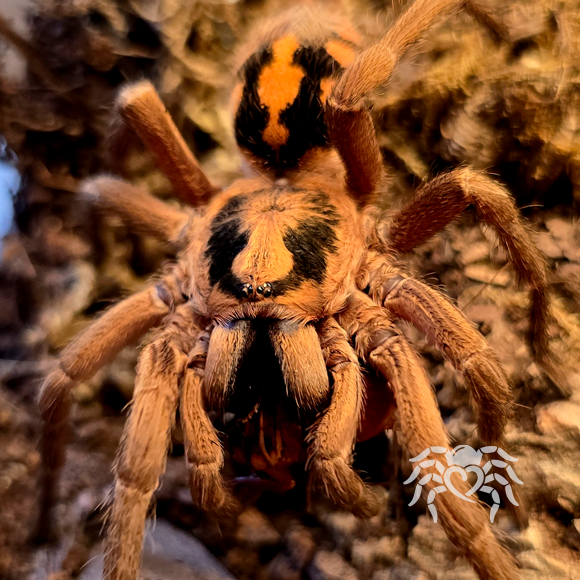
Species breeding reference
Breeding Notes
Breeding Hapalopus formosus isn’t the toughest project out there, but it’s far from foolproof. A modest size means smaller sac numbers, and unpredictable female moods can keep even experienced breeders guessing. With careful prep, patience, and a bit of luck, you could end up with a handful of tiny pumpkin patch slings, but don’t bank on every pairing being a success.
Wild Breeding Season
There’s no firm data pinning down a specific wild breeding season for Pumpkin Patch Tarantulas in Colombia, but with their native forests staying warm and humid year-round, they likely don’t have strict seasonal cues.
Wild Environmental Triggers
Consistent warmth, gentle humidity, and a subtle wet-dry rhythm from rainfall seem to be the main backdrop in their patch of Colombian forest. Big dips in temperature or dramatic dry spells are rare, so they’re not used to harsh seasonal swings.
Native Climate Context
In Colombia’s lowland forests, these little spiders enjoy steady warmth—rarely dipping below 26°C—and comfortable humidity. It’s a lush setting with soft soil and plenty of cover from fallen leaves and debris.
Captive Breeding Window
With no hard wild season, breeding attempts can usually be made any time of year if both spiders are mature and freshly moulted. Some keepers report better luck pairing just after the female’s moult, but there’s no universal rule.
Pre-pairing Conditioning
Make sure both spiders have been well-fed and the female has fully recovered after her latest moult. Raise the enclosure humidity a notch or two in the week leading up to pairing, aiming for mildly moist but never soggy substrate. A little extra darkness or cover can help them feel secure.
Male Introduction Guidance
Introduce the male into the female’s enclosure in the evening, ideally when she’s less active. Let him find her at his own pace—don’t poke or prod. Keep a divider handy in case hostilities break out, as females can be unpredictable and sometimes testy with suitors.
Female Readiness Signs
A receptive female will usually linger at her burrow or hide entrance and show relaxed postures. She might drum or respond to the male, but sometimes she’ll play it cool. If she stays hidden and reacts aggressively, she’s probably not ready yet.
Post-pairing Conditions
After the pairing, keep things stable—steady warmth, humidity in the 70% ballpark, and minimal disturbance. Offer small meals and keep her hideaway undisturbed to avoid stressing her out, especially if she’s plumping up and looking for a spot to lay a sac.
Sac Timeline
If all goes well, she may start spinning a sac four to eight weeks after mating, but this timeline can be quite variable. Once the sac appears, let her guard it for at least 28–35 days before considering pulling it for incubation, though some leave it a bit longer to be safe.
Incubation Notes
Keep the incubator lightly moist—not wet—and well-aired. Pumpkin Patch sacs are small and delicate, so be gentle during inspection. Open it only when you see movement inside or eggs-with-legs developing, usually a few weeks after the sac is laid.
Expected Sling Count
Expect between 50 and 150 spiderlings per sac, but numbers can be all over the shop, with some keepers reporting small, surprisingly modest sacs.
Risks and Cautions
Females may eat the male or the sac, sometimes with no warning. Pairings can be quick and successful, but equally abrupt and nasty if she’s not receptive. Take your time, don’t rush, and expect surprises.
Evidence confidence: Medium