

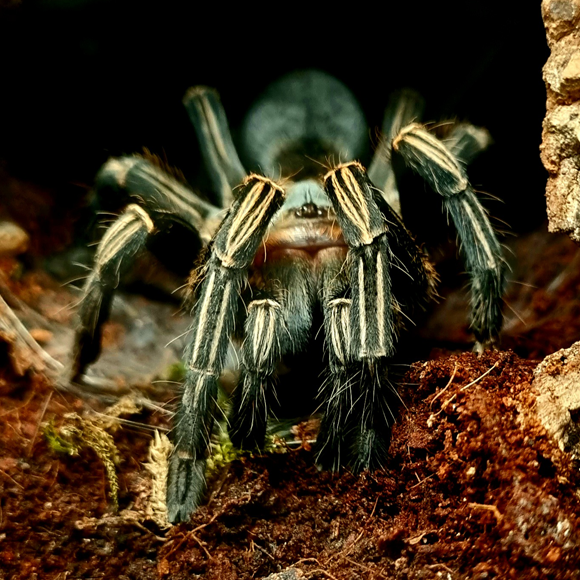

Aphonopelma seemanni
Price range: £8.00 through £30.00
Expert at vanishing acts; expect either bold stripy legs on display or nothing but a mysteriously shifting mound of dirt for weeks at a time.
Tell me when it is available
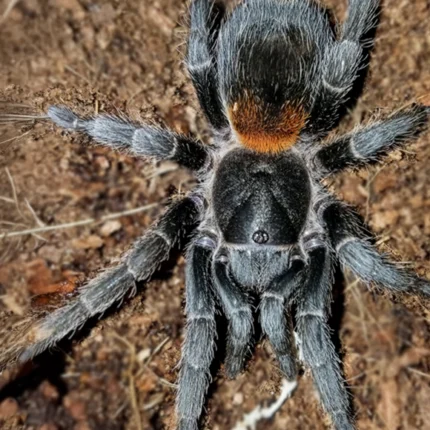
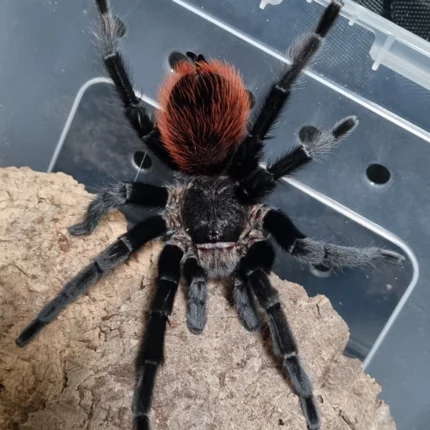
Aphonopelma seemanni, usually referred to as the Costa Rican Zebra Tarantula, is as famed for its stripy legs as it is for its enthusiasm for subterranean renovation. Originating from Central America—spanning Costa Rica, Nicaragua and Honduras—this species is right at home in warm, occasionally damp conditions and will spend much of its life perfecting a private tunnel network. Give it ample substrate and you’ll be treated to more underground architecture than actual spider sightings. When you do see them, those crisp black-and-white stripes are hard to miss.
As a largely terrestrial and fossorial species, A. seemanni expects deep substrate (think 15–20cm at least) to indulge its natural instincts. Even adults will regularly rework their burrows, emerging for a meal or a brief foray above ground, before disappearing again just in time to make you question whether you actually own one.
Females can reach a respectable 15cm diagonal leg span and, provided you avoid egregious husbandry blunders, are remarkably long-lived—some pushing beyond 15 years with ease. Males, as usual, peak early and bow out not long after reaching maturity. They grow at a (politely put) measured pace, which rather suits their understated lifestyle.
The temperament is generally calm, though some individuals are master escapologists when disturbed—more ‘scarper then flick’ than ‘fangs first’. Webbing is modest but functional, and their eating habits lean towards reliable rather than voracious: slings twice a week, adults every week or so, pausing only for a moult or if the mood takes them.
Humidity around 60–70% and temperatures between 22–25°C suit them best, though they can handle typical British room conditions with a bit of thought to drafts in winter. Provide a water dish, minimal enclosure décor (they’ll do their own decorating), and a hide for initial settling in. Visibility does vary—some are surprisingly bold, others more ‘stuffed toy in witness protection’.
In sum: a quietly rewarding species for those who value underground ambition and patience over exhibitionist tendencies. Advice: don’t panic if yours vanishes for a fortnight. It’ll reappear, usually with a new extension on its burrow and the same glower you remember.
Only logged in customers who have purchased this product may leave a review.
Species breeding reference
Breeding Notes
Breeding Aphonopelma seemanni is a bit more of an undertaking than some think—while they’re hardy spiders, patience and careful attention to seasonal cues go a long way. Simulating the natural wet-dry cycle seems to boost your odds, but don’t expect instant results, and be ready for a wait. Safe, slow, and steady wins the day here; it’s not the ideal first breeding project, but a rewarding challenge for those prepared for some trial and error.
Wild Breeding Season
Egg-laying for Aphonopelma seemanni likely follows the regional wet-dry cycles. In their native Central America, it's probable that pairing and subsequent egg sac production take place near or after the onset of the rainy season, with spiderlings emerging early in the following dry months. There aren't clear-cut months recorded, so this should be taken as cautious guidance rather than gospel.
Wild Environmental Triggers
Aphonopelma seemanni seems to cue its breeding around the shift from the dry to wet season, when rainfall picks up, humidity increases, and temperatures stay fairly stable. Wild adults are more visible at this time, likely searching for mates.
Native Climate Context
These spiders thrive in climates that bounce between dry, sunny spells and periods of heavy rain and high humidity. With annual averages in the low-mid 20s°C and humidity mostly between 60–90%, it's a world of sticky, warm burrow life with short ventures above ground for food or romance.
Captive Breeding Window
Folks have the best shot at pairing Aphonopelma seemanni at the tail end of a dry spell, just as you start upping enclosure humidity and simulating those first rains—it helps mimic what they’d get in the wild. Attempts outside this window can still succeed, but seem to be trickier.
Pre-pairing Conditioning
Feed both male and female generously for a month or so before pairing, keeping the female’s enclosure warm but not too damp—think dry season with a full pantry. A week or two before the big meet, bump up humidity and let the substrate stay on the moist side. This change kicks off their instinct to breed.
Male Introduction Guidance
Introduce the male in the evening or after dark, using plenty of webbing or a moult as a sign the female is nearby and ready. Always supervise, as Aphonopelma seemanni females can be temperamental if not receptive. Some keepers use a barrier or introduce the male into a sectioned-off area for safety.
Female Readiness Signs
Females likely to pair will have recently moulted, built new webbing, and be visible at the burrow entrance, showing more interest in surface activity than usual. If she’s hiding deep or refusing food, try again in a week or so.
Post-pairing Conditions
After pairing, keep the enclosure slightly damp and warm as you would in a gentle rainy season. Maintain good ventilation and continue to offer food for a fortnight, though remove uneaten prey promptly. Reduce disturbance to give her peace to lay a sac if successful.
Sac Timeline
Documentation is spotty, but most closely related Aphonopelma species produce egg sacs four to eight weeks after pairing, with spiderlings emerging another six to eight weeks after that. Treat this window as a rough estimate for Aphonopelma seemanni.
Incubation Notes
The female will often guard her sac in the burrow, requiring a hands-off approach unless you're planning to pull it for artificial incubation. Keep things stable—moderate humidity, low disturbance, and steady warmth are the order of the day. Check for mould or pest issues every so often without lifting her lid.
Expected Sling Count
Clutch sizes for this species seem to land anywhere from 100–400 spiderlings, but reports vary widely, and results in captivity can be unpredictable.
Risks and Cautions
Females are sometimes quick to cannibalise or destroy an egg sac, especially if stressed or the pairing was mistimed. Males can also fall victim during introductions, so keep a close eye and provide plenty of cover for both spiders. Patience is critical, and don’t be disheartened if several tries are needed—this isn’t one of the easiest North American species to breed in captivity.
Evidence confidence: Medium
UK Market Insight
Neutral UK availability and pricing context for this exact Species record.
Species care guide
Aphonopelma seemanni
Adult Size
12–15 cm leg span
Temperature
22–25°C
Humidity
60–70% RH
Temperament
Aphonopelma seemanni has a reputation for being generally calm, though individual personalities abound. Some will sit out in the open like the Lords and Ladies of the spider world, while others will be Olympic champions at hide-and-seek. They're more likely to scuttle away than kick up a fuss. Fast when startled, but not aggressive—they’d rather bolt than bite. With patience and respect, you'll find them a pleasure to keep, even if you’re mostly admiring the artfully decorated entrance to their burrow.
Defence
The most likely defensive display you’ll witness is a sudden vanishing act—gone in a flash down their burrow. If really provoked, they may flick urticating hairs (tiny itchy barbs), but even this is quite rare compared to their American cousins. Biting is almost unheard of unless severely stressed. As always, treat them with care and respect; a relaxed spider is an invisible spider (at least until dinner time). Stick to observing rather than handling, for everyone’s peace of mind—and itch-free arms.
Visibility
Experienced keepers know the A. seemanni lottery: some are surprisingly bold and visible, others are confirmed recluses. They're largely nocturnal, and you’ll often spot a fuzzy set of stripes peeking out of a burrow at sundown. Visibility depends on individual temperament, enclosure setup, and mood. Don’t be discouraged if yours vanishes for weeks on end—burrowing is what they do best! But when they do pop up, their eye-catching stripes make every glimpse feel like a real treat.
Experience Level
Aphonopelma seemanni is a solid choice for beginner and intermediate keepers alike. Their hardiness, relatively calm nature, and straightforward husbandry needs make them forgiving for those still learning the ropes. The main challenge comes from their love of burrowing, which can be a bit frustrating if you want a spider always on display. Still, their striking appearance and legendary burrow engineering provide great rewards for the patiently curious hobbyist.
Webbing
While not the hobby’s most prolific webbers, Aphonopelma seemanni does produce a fair amount of silk. Expect them to line their burrow entrances with lovely webbing, creating a fortified home worthy of any spider monarch. This silk barrier doubles as a tripwire, so you’ll spot them often at the mouth of their lair, waiting for unsuspecting prey to wander by. Webbing increases when moulting or feeling a tad insecure but don’t expect full-blown hammock architecture like some arboreal species.
Feeding
Aphonopelma seemanni is an enthusiastic—but not greedy—eater. Slings can be fed small prey (like pre-killed pinhead crickets or roach nymphs) twice a week; they’ll feast like tiny monsters and then promptly disappear for days. Juveniles and adults do well on similarly sized crickets, dubia roaches or the occasional mealworm every 7–10 days. They’re not prone to fasting unless in pre-moult, so if your spider unexpectedly snubs a meal, check for upcoming moults or environmental stress. Avoid overfeeding adults—a chunky tarantula is not a healthy tarantula and can even risk injury during falls. Remove uneaten prey after 24 hours to keep the burrow-mould brigade at bay, and you’ll have a content (albeit secretive) spider on your hands.
Enclosure Recommendations
Give your A. seemanni plenty of substrate depth—at least 15–20 cm is ideal, as they love a dig. A sturdy terrestrial enclosure (plastic or glass) with good cross-ventilation is ideal. Include a water dish (changed regularly), a hide or cork bark for initial privacy, and keep clutter minimal so they can engineer their own masterpiece. Substrate can be a mix of coco fibre and topsoil, slightly damp but not wet. Enclosures should have a secure lid, as they can be surprisingly powerful diggers and movers of décor. Avoid sharp or heavy decorations that might tumble into their burrow and cause damage. No fancy lighting or heating necessary beyond what keeps your house comfortable. If you want your spider to show off its legendary stripy legs, keep some open space near the burrow entrance—you just might catch them on patrol.
Final Thoughts
Aphonopelma seemanni is a keeper’s delight—striking, hardy, and genuinely rewarding for those patient enough to appreciate the art of burrowing. While not the most visible pet, their antics (when seen) and beautiful markings make every glimpse special. They’re excellent for beginners and intermediates, requiring minimal fuss and forgiving of the odd husbandry hiccup. Their underground engineering prowess is half the fun, so provide deep substrate and watch (or imagine!) the burrow magic happen. If you’re after a bling-laden tarantula with a penchant for peeking rather than posing, this gent is a real winner. Just don’t expect them to help with your arachnophobia therapy—unless it’s a fear of seeing spiders at all!
Species-specific FAQs are not available yet.
Related products


Reviews
There are no reviews yet.