

Breeding Notes
Aphonopelma seemanni
Costa Rican zebra tarantula
Also known as: striped-knee tarantula, Costa Rican striped-knee tarantula
Species-specific breeding guidance, seasonal context and practical caveats for experienced keepers.
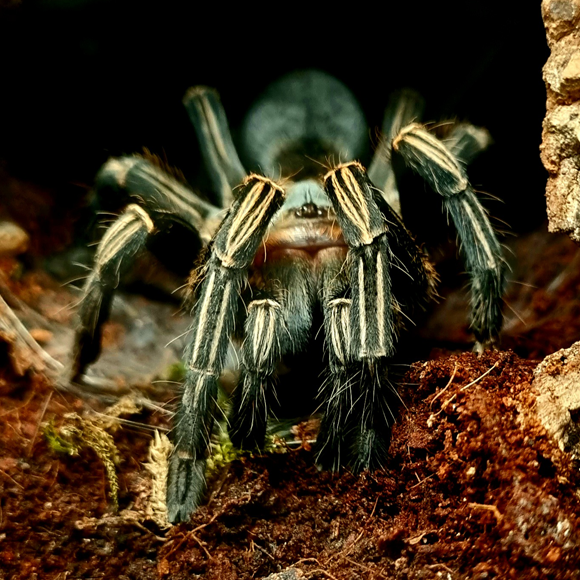
Species breeding reference
Breeding Notes
Breeding Aphonopelma seemanni is a bit more of an undertaking than some think—while they’re hardy spiders, patience and careful attention to seasonal cues go a long way. Simulating the natural wet-dry cycle seems to boost your odds, but don’t expect instant results, and be ready for a wait. Safe, slow, and steady wins the day here; it’s not the ideal first breeding project, but a rewarding challenge for those prepared for some trial and error.
Wild Breeding Season
Egg-laying for Aphonopelma seemanni likely follows the regional wet-dry cycles. In their native Central America, it's probable that pairing and subsequent egg sac production take place near or after the onset of the rainy season, with spiderlings emerging early in the following dry months. There aren't clear-cut months recorded, so this should be taken as cautious guidance rather than gospel.
Wild Environmental Triggers
Aphonopelma seemanni seems to cue its breeding around the shift from the dry to wet season, when rainfall picks up, humidity increases, and temperatures stay fairly stable. Wild adults are more visible at this time, likely searching for mates.
Native Climate Context
These spiders thrive in climates that bounce between dry, sunny spells and periods of heavy rain and high humidity. With annual averages in the low-mid 20s°C and humidity mostly between 60–90%, it's a world of sticky, warm burrow life with short ventures above ground for food or romance.
Captive Breeding Window
Folks have the best shot at pairing Aphonopelma seemanni at the tail end of a dry spell, just as you start upping enclosure humidity and simulating those first rains—it helps mimic what they’d get in the wild. Attempts outside this window can still succeed, but seem to be trickier.
Pre-pairing Conditioning
Feed both male and female generously for a month or so before pairing, keeping the female’s enclosure warm but not too damp—think dry season with a full pantry. A week or two before the big meet, bump up humidity and let the substrate stay on the moist side. This change kicks off their instinct to breed.
Male Introduction Guidance
Introduce the male in the evening or after dark, using plenty of webbing or a moult as a sign the female is nearby and ready. Always supervise, as Aphonopelma seemanni females can be temperamental if not receptive. Some keepers use a barrier or introduce the male into a sectioned-off area for safety.
Female Readiness Signs
Females likely to pair will have recently moulted, built new webbing, and be visible at the burrow entrance, showing more interest in surface activity than usual. If she’s hiding deep or refusing food, try again in a week or so.
Post-pairing Conditions
After pairing, keep the enclosure slightly damp and warm as you would in a gentle rainy season. Maintain good ventilation and continue to offer food for a fortnight, though remove uneaten prey promptly. Reduce disturbance to give her peace to lay a sac if successful.
Sac Timeline
Documentation is spotty, but most closely related Aphonopelma species produce egg sacs four to eight weeks after pairing, with spiderlings emerging another six to eight weeks after that. Treat this window as a rough estimate for Aphonopelma seemanni.
Incubation Notes
The female will often guard her sac in the burrow, requiring a hands-off approach unless you're planning to pull it for artificial incubation. Keep things stable—moderate humidity, low disturbance, and steady warmth are the order of the day. Check for mould or pest issues every so often without lifting her lid.
Expected Sling Count
Clutch sizes for this species seem to land anywhere from 100–400 spiderlings, but reports vary widely, and results in captivity can be unpredictable.
Risks and Cautions
Females are sometimes quick to cannibalise or destroy an egg sac, especially if stressed or the pairing was mistimed. Males can also fall victim during introductions, so keep a close eye and provide plenty of cover for both spiders. Patience is critical, and don’t be disheartened if several tries are needed—this isn’t one of the easiest North American species to breed in captivity.
Evidence confidence: Medium