


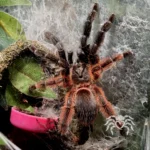
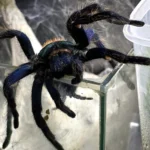
Phormingochilus arboricola
Price range: £20.00 through £120.00
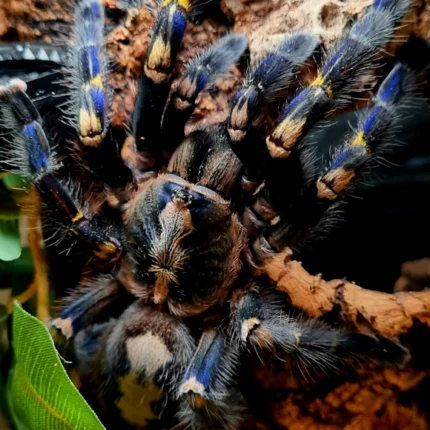
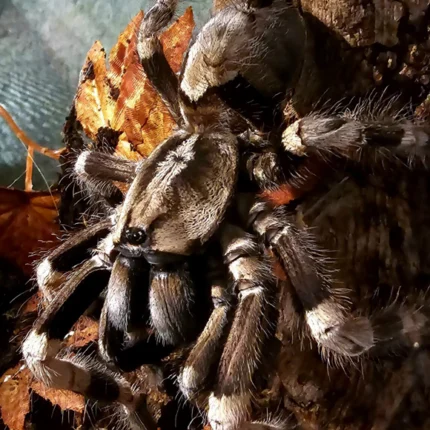
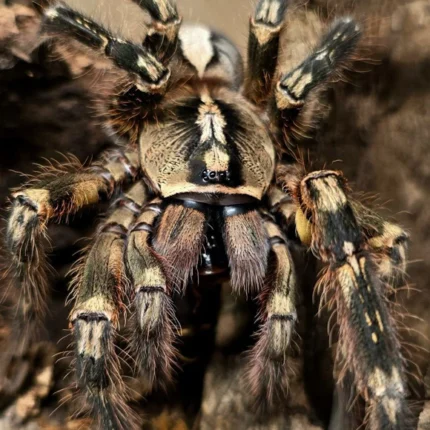
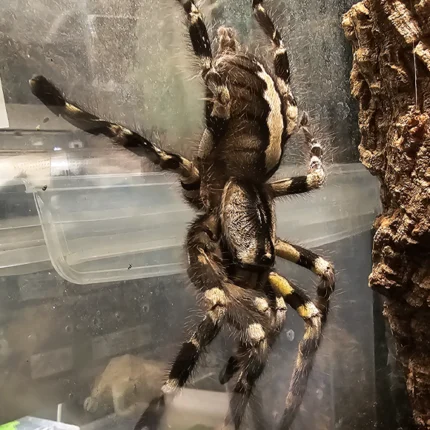
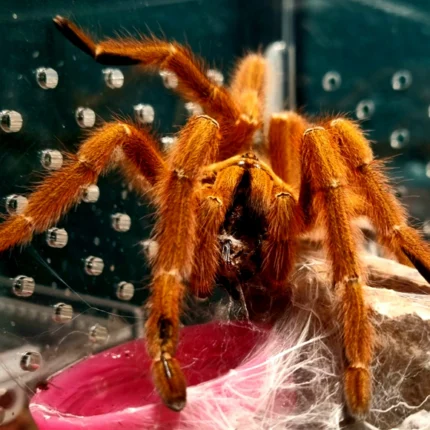
Phormingochilus arboricola is one of the hobby’s unsung gems – striking, active, and a fantastic webber for anyone willing to keep up with its speed and fussiness about humidity. They won’t tolerate neglect or clumsy hands, but treat them to a lush, well-ventilated vertical palace,…
Tell me when it is available
Phormingochilus arboricola is one of the hobby’s unsung gems – striking, active, and a fantastic webber for anyone willing to keep up with its speed and fussiness about humidity. They won’t tolerate neglect or clumsy hands, but treat them to a lush, well-ventilated vertical palace, and you’ll be rewarded with a spider that’s both stunning and full of character. They won’t win any awards for sociability, but their antics and webbing prowess make them a favourite among arboreal lovers. If you’re ready for the challenge and keen on a tarantula that turns coconut fibre into high-rise silk, this is one species that will keep you interested and on your toes.
Only logged in customers who have purchased this product may leave a review.
Species breeding reference
Breeding Notes
Breeding Phormingochilus arboricola is an advanced project, best left to those who’ve handled tricky Old World arboreals before. There’s little written about their captive pairings, so you’ll be relying on careful observation and experience with Southeast Asian arboreals. The key is to mimic a rainforest corner in your spider room, let your female recover post-moult, condition with high humidity and warmth, and be ready for a cautious, closely-supervised pairing. Pairing attempts are few and far between, so any sac is worth celebrating – patience and gentle husbandry go a long way.
Breeding information for this species is a bit thin on the ground, so this guidance is based on the best available reports, native climate clues, and sensible keeper caution.
Wild Breeding Season
Precise wild breeding season for Phormingochilus arboricola isn't published, but being a Bornean rainforest specialist, it's likely triggered by seasonal rains and stable warm, humid conditions typical throughout much of the year. Inference from similar Southeast Asian arboreals suggests pairing attempts might be best just after the onset of the wetter season.
Wild Environmental Triggers
Rain and a sustained boost in humidity are the probable environmental cues in their native forests, as with many Bornean tree-dwellers. Consistent high humidity and warmth – basically those 'rainforest in a box' conditions – are key triggers.
Native Climate Context
Properly tropical, this species knows nothing of winter. Expect warmth (22–26°C) and high humidity (70–80%) year-round, with occasional peaks in rainfall rather than stark seasonal swings. Evenings might bring a slight dip in temperature and even more muggy air – cue your mist sprayer.
Captive Breeding Window
No established captive-breeding window has been published, but trying to replicate the conditions following increased misting and a rise in humidity – mimicking the start of Borneo’s rainy season – may encourage breeding activity. Experienced keepers generally pair these after female recovery from moult and in the 'wetter' part of the year.
Pre-pairing Conditioning
Feed the female up well, giving her a few weeks of peace and plenty of food post-moult. Ramp up humidity and perhaps increase rainfall simulation with more frequent misting. Let both spiders settle with higher humidity and stable, warm conditions to mimic rainforest after a fresh soak.
Male Introduction Guidance
Introduce the male at dusk and only when you’re confident he’s mature and active. Place him close to the female’s retreat and be prepared to supervise – this genus can be defensive, and males are at significant risk. Remove the male promptly after any clear mating attempt or if the female shows aggression.
Female Readiness Signs
Look for a plump female who’s rebuilt her retreat and is active, with no signs of pre-moult. Direct feeding response and webbing activity are encouraging signs. If she’s barricaded herself or refuses food, don’t attempt pairing – she’s not ready or is preparing to moult.
Post-pairing Conditions
Keep humidity high and disturb the female as little as possible. Maintain those warm, moist rainforest vibes. Avoid enclosure moves or deep cleanouts. Continue light feeding but don’t overdo it – just enough to keep her in good condition without risking stress or overeating.
Sac Timeline
Exact timeframe for Phormingochilus arboricola is largely unknown, though close relatives in the genus may produce a sac within 6–12 weeks after pairing. Females may guard sacs fiercely – check only from a distance until young are dispersing.
Incubation Notes
Maintain warmth and high humidity while the sac is present, but be on guard against mould. Most keepers leave the sac with the mother for at least the first few weeks. If pulling the sac, provide high humidity and minimal disturbance in a controlled incubator.
Expected Sling Count
Reports are variable, but for similar arboreal Phormingochilus species, sacs can contain from 50 to 150 spiderlings. Expect a modest clutch compared to earth tigers – these aren’t known for mega-sacs.
Risks and Cautions
Like many Old World arboreals, females are defensive and quick to attack or eat males if unprepared or disturbed. Mismatched humidity, inadequate conditioning, or earlier-than-ideal pairing are common pitfalls. Low numbers in the hobby also means new pairings are precious – don’t risk unnecessary interventions or stress. Be prepared for a small sac and uncertain timelines.
Evidence confidence: Low
Species care guide
Phormingochilus arboricola
Adult Size
13–15 cm diagonal leg span
Temperature
22–26°C
Humidity
70–80% RH
Temperament
Not for the reckless or easily surprised! P. arboricola is skittish and lightning-fast – think ninja in a silk dressing gown. They tend to bolt rather than bite, but if properly provoked or cornered, they won’t hesitate to display a threat pose. This species is best enjoyed with a healthy respect (and a closed enclosure). As you’d expect with an arboreal, their vertical escapes can defy even the most well-meaning tongs, so have a catch cup handy on maintenance days.
Defence
No urticating hairs here – P. arboricola relies on speed and threat displays (the tarantula equivalent of shouting 'Back off!' whilst waving eight fists in the air). If pressed, they may strike, but bites are rare with sensible husbandry. Always move slowly and avoid disturbing their web retreats – respect their space and you’ll stay on their Christmas card list (or at least their list of humans not to chase).
Visibility
This is a classic 'see you sometimes' species. You’ll spot your P. arboricola most often at night, especially if you keep the room dim or use red light. During the day, expect to see fabulously webbed hideouts and the occasional pair of knees or toes sticking out. They’re not always out and about, but their impressive webwork and occasional display make ownership a visual treat for patient keepers.
Experience Level
Not quite a spiderling’s first tarantula, but a real treat for keepers with some experience under their belt. Their skittish nature, speed, and humidity needs make them better for intermediates or folks who’ve already wrangled a few more forgiving species. Not recommended for beginners or the faint-hearted, but absolutely rewarding for those ready to level up their arboreal game.
Webbing
Web architects extraordinaire! P. arboricola crafts thick, messy silken tunnels tucked into bark, cork or within artificial foliage. Their webbing often covers most of the vertical surfaces and hides. It’s fascinating to watch them work, and the web complexes provide privacy and protection – almost like a penthouse suite behind silk curtains. Webbing is a key indicator of their happiness – the more web, the more comfy your tarantula feels.
Feeding
Food-wise, P. arboricola isn’t a fussy eater. Juveniles and adults will readily take down crickets, locusts, dubia roaches, and the occasional waxworm for a treat. Slings should be offered chopped mealworms or pre-killed baby crickets every 4–5 days. Juveniles do well on 1–2 appropriately sized insects a week, while adults usually take a large cricket or similar prey every 7–10 days. Their feeding response is fast and dramatic – picture a tiny ninja leaping from a web fortress. Keepers should avoid overfeeding (don’t create a furry beach ball on legs), especially with slower-growing females. Always remove uneaten prey after 24 hours, especially before moults, and never feed directly after a moult. Hydration is important; don’t substitute juicy prey for a proper water dish.
Enclosure Recommendations
An arboreal set-up is essential. For slings and juveniles, a tall, well-ventilated container with good cross-ventilation is ideal. Adults need a terrarium of at least 30cm tall, with vertical surfaces for climbing – cork bark tubes, upright wood, and plenty of anchor points for webbing. Floor space is less critical than height, but a 20x20x30cm enclosure is a good start. Substrate (coco fibre or a mix) should be 5–8cm deep and kept just lightly moist. A water dish is non-negotiable for all life stages. Ventilation is key to prevent mould, especially with higher humidity. Artificial or live plants (safe for tarantulas) make webbuilding more interesting and natural. Avoid old-school mesh lids to prevent injury – small vents or secure holes in acrylic are best. Above all, make maintenance easy and escapes difficult!
Final Thoughts
Phormingochilus arboricola is one of the hobby’s unsung gems – striking, active, and a fantastic webber for anyone willing to keep up with its speed and fussiness about humidity. They won’t tolerate neglect or clumsy hands, but treat them to a lush, well-ventilated vertical palace, and you’ll be rewarded with a spider that’s both stunning and full of character. They won’t win any awards for sociability, but their antics and webbing prowess make them a favourite among arboreal lovers. If you’re ready for the challenge and keen on a tarantula that turns coconut fibre into high-rise silk, this is one species that will keep you interested and on your toes.
Species-specific guidance
Frequently Asked Questions
Is Phormingochilus arboricola suitable for beginners?
Phormingochilus arboricola is best suited to keepers with some tarantula experience. Its skittish nature, lightning-fast movements, and specific humidity requirements make it more appropriate for intermediates who have already cared for easier species. It’s not recommended for beginners or the faint of heart.
What is the temperament of Phormingochilus arboricola?
This species is notably skittish and fast, tending to bolt rather than bite if disturbed. Although rarely aggressive, a threatened P. arboricola may display a striking threat pose. Handling is not recommended—The Spoodoire does not endorse handling of any tarantula.
How large does an adult Phormingochilus arboricola get?
A fully grown Phormingochilus arboricola typically reaches 13–15 cm diagonal leg span, with females being noticeably bulkier than the leggier, shorter-lived males. They make a striking addition to any arboreal collection once mature.
How fast does Phormingochilus arboricola grow?
Phormingochilus arboricola is a moderately fast-growing tarantula. Slings and juveniles can surprise you with their speedy development, especially when well-fed and kept warm. Regular moulting is typical in younger spiders, so be ready for unexpected growth spurts.
How should I feed Phormingochilus arboricola, and what is its feeding response like?
P. arboricola is a keen, dramatic feeder, readily pouncing on food from its web retreat. Offer slings chopped mealworms or pre-killed baby crickets every 4–5 days, juveniles 1–2 appropriate insects weekly, and adults a large cricket or similar every 7–10 days. Always remove uneaten prey after 24 hours, especially before moults.
What humidity does Phormingochilus arboricola need?
This species thrives in humidity levels of 70–80%. Achieve this with lightly moist substrate and gentle misting, but avoid over-saturating their webs or the substrate. Good cross-ventilation is key to prevent mould, and always provide a clean, shallow water dish for hydration.
What’s the ideal enclosure for Phormingochilus arboricola?
An arboreal set-up is essential: tall, well-ventilated enclosures with vertical climbing surfaces (like cork bark) and plenty of anchor points for webbing. Adults do well in a minimum 30cm-high enclosure. Maintain 5–8cm of lightly moist substrate, and prioritise ventilation over floor space to keep the environment healthy.
How visible is Phormingochilus arboricola during the day?
P. arboricola is a secretive tarantula and more of a night-time spectacle. By day, you’ll spot impressive webs and perhaps a set of toes peeking out. Evening or low light may encourage more activity, making their elusive moments that bit more rewarding for dedicated keepers.
Related products


Reviews
There are no reviews yet.