


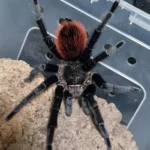
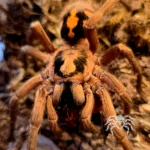
Kochiana brunnipes
Price range: £7.00 through £45.00
Usually a glimpse of legs vanishing underground, but will surface unexpectedly—especially if you foolishly believed you’d never see it again.
Tell me when it is available
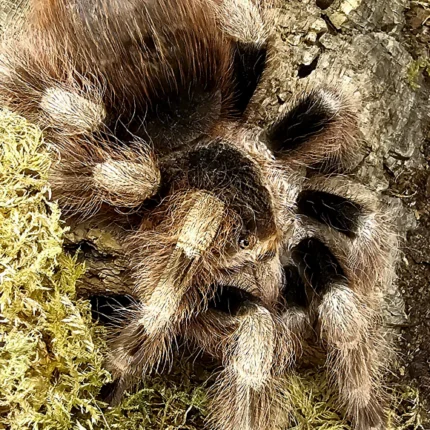
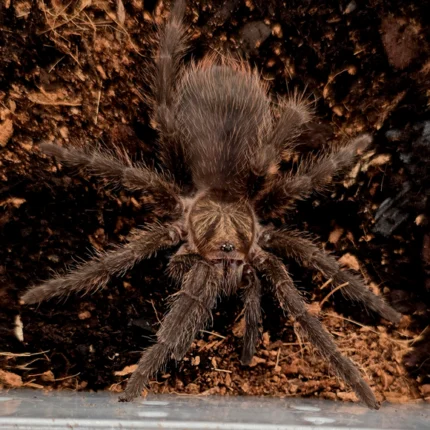
Kochiana brunnipes, sometimes called the Brazilian Dwarf Pink Leg, is a quietly fascinating fossorial tarantula for those who appreciate their spiders subtle and busy. Native to Brazil’s tropical forests and grasslands, this species prefers to hide away beneath leaf litter or logs, revelling in a self-dug burrow rather than putting on a show. In your care, expect a diligent little builder more interested in rearranging substrate than trotting about in the open. If you find satisfaction in an elaborate webbed entrance and a well-placed feeding response at dusk, this species is likely to keep you quietly entertained.
Adults reach about 5–7 cm diagonal leg span, with females outliving their male counterparts by several years—8 to 12 years against the males’ fleeting 2 to 3. Growth is steady rather than spectacular, and with appropriate warmth and regular feeds, juveniles mature in two to three years. Keep them at UK room temperatures (21–24°C is ideal) and provide humidity between 60–75%, especially for slings, using a substrate that holds a touch of damp without turning swampy. Cross-ventilation keeps mould at bay; a shallow water dish and occasional misting will do nicely.
K. brunnipes has a knack for dramatic retreats, vanishing into its burrow at even the suggestion of disturbance. Actual aggression is rare—flight is the preferred defence, and urticating hairs are hardly ever deployed. Visibility is, as you’d expect, optional; most of your time will be spent playing spot-the-spider or catching glimpses during feeding. Juveniles are more likely to rearrange or silk up their hide, but adults settle into a life of practical minimalism below ground. If you had visions of a display spider, this isn’t it—what you’ll get is a master tunnel engineer who, on rare occasions, deigns to show itself, usually when food is about.
Sling husbandry is straightforward with appropriate caution for their speed—slings and juveniles are keen burrowers and quick in hand. Feeding is equally uncomplicated, as these spiders are not picky: crickets, mealworms and small roaches are all accepted, and their feeding response is surprisingly quick for such a small species. Stick to modest feeds; a well-filled spider is a healthy one, but overfeeding is as pointless as providing elaborate décor—K. brunnipes prefers to redevelop its own living space anyway.
For keepers with some experience, or patient beginners who don’t mind a challenge in the hide-and-seek department, this species offers a quietly intriguing addition to the spider room. Low drama, low maintenance, but certainly not low interest if you value a glimpse into underground spider life. Be warned: if you’re looking for something to wave at guests, best try a terrestrial or arboreal. But for burrow watching, this spider’s skill is unmatched.
Only logged in customers who have purchased this product may leave a review.
Species breeding reference
Breeding Notes
Breeding Kochiana brunnipes is not for the faint-hearted, with scant reliable reports and plenty of uncertainty. Anyone trying this should be prepared for setbacks, low sac yields, and possibly no success at all. Best results will come from mimicking a seasonal rise in humidity and being extremely patient. If you’re after a straightforward breeding project, this one’s probably best admired from afar—but if you fancy a challenge and don’t mind the waiting game, it’s possible with a gentle approach and a lot of luck.
Breeding information for this species is a bit thin on the ground, so this guidance is based on the best available reports, native climate clues, and sensible keeper caution.
Wild Breeding Season
There’s limited direct information on the exact breeding season for Kochiana brunnipes in the wild. Given its Brazilian habitat, pairings likely coincide with the onset or middle of the wet season, when humidity is at its peak and food is abundant.
Wild Environmental Triggers
Seasonal rises in humidity and temperature, especially as the rains begin or intensify, are likely key triggers for mating activity in this species. Longer nights and increased prey movement during the wet months may also play a role.
Native Climate Context
K. brunnipes is native to regions with distinct wet and transitional seasons, with temperatures ranging from about 21–24°C throughout most of the year and humidity often pushing 80% or above during the wettest months. Shorter dry spells alternate with periods of heavy rain, so any breeding attempt should try to reflect these seasonal changes.
Captive Breeding Window
If attempting to breed in captivity, aim for late spring to summer here in the UK, mirroring Brazil’s wetter seasonality. Boost humidity for several weeks beforehand to simulate the period when they’d naturally pair up.
Pre-pairing Conditioning
Condition both spiders with an increase in humidity and a regular, generous feeding routine leading up to introduction. Take care not to overfeed, but ensure both are well-established and plump, with the female looking particularly fit for breeding.
Male Introduction Guidance
Introduce the male carefully, ideally in the evening or at dusk when spiders are most active. Monitor closely, as this species can be quite reclusive and defensive—be ready to intervene if things get heated. Leave the male in the female’s enclosure only under supervision at first, and consider a long divider or safe area for him to retreat to if needed.
Female Readiness Signs
A female ready for pairing will often be visible at or near the mouth of her burrow more frequently, show increased webbing activity, and may appear restless. If freshly moulted, allow several weeks of recovery and steady feeding before introducing a male.
Post-pairing Conditions
Maintain elevated humidity (but not swampy) and continue regular feeding for the female after pairing. Avoid handling or otherwise disturbing her burrow, and keep conditions stable to reduce stress. Give her the privacy to seal off her burrow if she wants to—a good sign a sac may be coming.
Sac Timeline
There are no precise reports for this species in captivity, but based on similar dwarf fossorial tarantulas from the region, expect egg sac production anywhere from 4–12 weeks post-mating. The female may seclude herself and web up her burrow before producing a sac.
Incubation Notes
Keep the enclosure humid and undisturbed once a sac is observed. The incubation period likely runs around 6–8 weeks, but this is a cautious estimate in the absence of solid reports. Be patient and resist the urge to peek early, as disturbance is a big risk with these secretive spiders.
Expected Sling Count
No confirmed numbers exist for this species, but as a small-bodied fossorial, expect modest sacs, likely somewhere in the 40–100 sling range. Treat this as a general ballpark, not a promise.
Risks and Cautions
Pairings can be tense or uneventful, with a decent risk of the female not accepting the male or preying on him. Egg sacs may be smaller and more sensitive to disturbance than those of larger Brazilian species. As a fossorial, the female is prone to hiding away, making visual checks for readiness or sac production difficult. The full process can be quite drawn out and unpredictable—patience and a hands-off approach are essential.
Evidence confidence: Low
UK Market Insight
Neutral UK availability and pricing context for this exact Species record.
Species care guide
Kochiana brunnipes
Adult Size
5–7 cm diagonal leg span
Temperature
21–24°C
Humidity
60–75% RH
Temperament
Despite their ‘dwarf’ status, K. brunnipes is a bold little spider with loads of charm. Generally flighty rather than defensive, they’re much more likely to bolt and vanish into their burrow than stand and deliver a threat pose. They’re quick on their feet, particularly as slings, but rarely aggressive. While not inclined to throw a tantrum, it’s wise to respect their space—imagine how you’d feel if someone started poking around your favourite blanket fort. If you want a low-drama tarantula that’s simply fun to observe, this one’s a stellar pick.
Defence
Kochiana brunnipes prefers to make a dramatic exit rather than a stand-off, favouring flight over fight. When startled, it will retreat to its burrow at warp speed—a habit that’s entertaining and stress-free for keepers to manage. Their urticating hairs are present, but rarely deployed, and are not considered especially potent or troublesome compared to some New Worlds. Even so, standard precautions apply: don’t disturb more than necessary, and always use tools (not fingers) during enclosure maintenance.
Visibility
Being fossorial means you’ll get to enjoy the fine art of ‘spot the tarantula’—K. brunnipes spends much of its time tucked away underground, especially during daylight hours. With patience and a bit of luck, you’ll catch feeding-time dashes or see them rearranging their burrow entrances, particularly at dusk or after a moult. Adults tend to be more reclusive than juveniles, but even brief glimpses are worth the wait. For keepers charmed by subtle behaviours and occasional cameo appearances, this species offers maximum intrigue while guaranteeing a strong hide-and-seek game.
Experience Level
K. brunnipes is a cracking choice for those with a bit of tarantula experience, though cautious, research-minded beginners could do well too. Their speed as slings and tendency to vanish underground might fluster absolute first-timers, but keepers who’ve tackled more basic species will find these spiders undemanding and endlessly fascinating. Add their generally calm temperament and simple care needs, and you’ve got a ‘small but mighty’ addition to any collection.
Webbing
Webbing isn’t exactly this species’ signature move, but they do make lovely silk linings for their burrows and entrances. Don't expect extravagant Halloween decorations; instead, look for a neat silk mouth leading to the burrow and, if you’re lucky, a fishing line setup for catching dinner. Young spiders, in particular, may silk up the entire hide, while mature ones prefer practical minimalism. Their web provides extra security and signals when a meal has landed, offering clues to their presence even when they’re out of sight.
Feeding
Kochiana brunnipes isn’t a fussy feeder—crickets, mealworms, and appropriately sized dubia roaches are all met with enthusiasm. Slings can be given pinhead crickets or pre-killed prey two to three times a week. Juveniles do well with small live crickets or chopped mealworms every week, while adults are content with a single medium-sized cricket or roach every 7–10 days. Their feeding response is quick and often theatrical, especially if you drop the snack near their burrow. Watch for fasting around moults, and always remove uneaten food within 24 hours to avoid stress (a cricket with ambitions can be very annoying mid-moult). Don’t overfeed—despite their bottomless appetites, a plump abdomen is a sign you’re doing just fine.
Enclosure Recommendations
A small, escape-proof enclosure is key—think 20x20x20 cm for adults, with extra security for speedy slings. The real star is substrate depth: aim for at least 10–15 cm of coconut fibre or similar, packed slightly but able to hold a burrow. Good cross-ventilation keeps things fresh and reduces mould risk. Add a piece of cork bark or leaf litter as a starter hide, and expect your spider to redecorate. A bottle cap or shallow dish for water should always be present, refreshed regularly. Lights are unnecessary; a normal daylight cycle and a quiet corner away from draughts keeps them content. Avoid cluttering the enclosure too much—these spiders want space to dig and express their creative talents. No need to go full rainforest, but don’t let things dry out completely either.
Final Thoughts
If you love watching spiders work their magic underground and appreciate the surprise of a well-timed feeding dash, Kochiana brunnipes is a fantastic addition to your lineup. Their easy care requirements and plucky personality make them perfect for those wanting something a bit different from the big, showy species. They’re a great middle ground: manageable for beginners eager to step up, rewarding for veterans who appreciate little quirks, and always good for chuckle-worthy bolt moves. Just be ready to admire their dedication to burrow life—think of them as the master artisans of the tarantula world. Bring patience, a sense of humour, and maybe a torch for those elusive sightings, and K. brunnipes will reward you with years of understated entertainment.
Species-specific guidance
Frequently Asked Questions
Is Kochiana brunnipes suitable for beginners or best for experienced keepers?
Kochiana brunnipes, the Brazilian Dwarf Pink Leg, is ideal for keepers with a little experience, especially due to its speed as a sling and tendency to burrow and vanish. Cautious, research-minded beginners may do well, but those completely new to tarantulas might find a more visible, less bolt-prone species easier to start with.
How large does an adult Kochiana brunnipes grow?
Adult Kochiana brunnipes are delightfully petite, typically reaching a diagonal leg span of 5–7 cm. Females grow slightly chunkier than males and live several years longer. Their small size makes them an excellent option for those interested in a tarantula that’s easy to house and observe without overwhelming the space.
What is the temperament and defence style of Kochiana brunnipes?
Kochiana brunnipes is generally flighty rather than defensive. It prefers to bolt into its burrow when disturbed and rarely deploys urticating hairs, which aren’t particularly potent anyway. Aggressive displays are uncommon. The Spoodoire does not endorse handling of any tarantula, and respectful, minimal disturbance is always best practice.
How quickly does Kochiana brunnipes grow and what’s its expected lifespan?
Kochiana brunnipes displays a moderate growth rate, reaching maturity in about 2–3 years with consistent feeding and warmth. Females can live 8–12 years, making them a long-term companion, while males typically reach only 2–3 years. Regular, healthy growth is seen with standard tarantula husbandry.
What is Kochiana brunnipes’ preferred enclosure setup?
A secure, escape-proof enclosure about 20x20x20 cm is perfect for an adult Kochiana brunnipes. Deep substrate (10–15 cm of coconut fibre or similar) is essential to satisfy its strong burrowing instincts. Provide a starter hide like cork bark, a small water dish, good cross-ventilation, and avoid excess clutter to give your spider room to dig.
How visible is Kochiana brunnipes in captivity?
As a fossorial species, Kochiana brunnipes spends most of its time underground, perfecting its burrow. You might spot brief feeding dashes or the odd rearrangement of its lair, especially at dusk. While adults can be particularly reclusive, the subtle behaviours and occasional surprises are a big part of this species’ charm.
How should I feed Kochiana brunnipes, and what is its feeding style?
Kochiana brunnipes isn’t fussy—slings take pinhead crickets or pre-killed prey two to three times weekly, juveniles eat small live crickets or chopped mealworms, and adults enjoy a medium cricket or dubia roach every 7–10 days. Feeding is quick and enthusiastic, often accompanied by a dramatic dash from the burrow. Always remove uneaten prey quickly to avoid stress.
What humidity and temperature does Kochiana brunnipes require?
This species prefers humidity between 60–75%, with a slightly damp substrate for slings and juveniles. Adults can handle a bit drier, provided part of the substrate stays moist. Standard UK room temperatures (21–24°C) suit them well. Avoid extended cold (under 18°C) and use a thermometer for accuracy; heat mats are rarely needed unless your home is unusually chilly.
Related products

Lasiodora parahybana
L. parahybana is a real show-stopper: impressive size, gorgeous colouration, and enthusiastic eating makes them the centrepiece of any spider room. They’re generally visible, relatively unfussy about care, and rewarding to raise from sling to slab-sided adult. That said, they’re not without their challenges—be prepared…

Reviews
There are no reviews yet.