



Lasiodora parahybana
Price range: £6.00 through £40.00
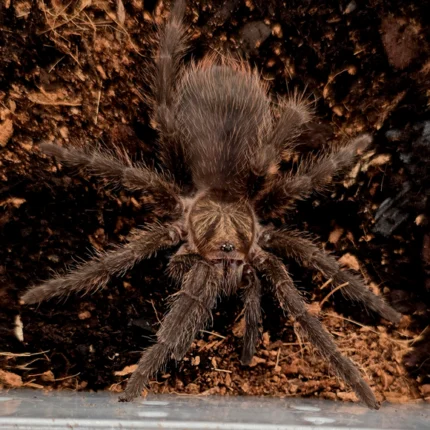
L. parahybana is a real show-stopper: impressive size, gorgeous colouration, and enthusiastic eating makes them the centrepiece of any spider room. They’re generally visible, relatively unfussy about care, and rewarding to raise from sling to slab-sided adult. That said, they’re not without their challenges—be prepared…
Tell me when it is available
L. parahybana is a real show-stopper: impressive size, gorgeous colouration, and enthusiastic eating makes them the centrepiece of any spider room. They’re generally visible, relatively unfussy about care, and rewarding to raise from sling to slab-sided adult. That said, they’re not without their challenges—be prepared for a spider that can cover ground at cheetah speeds if startled and one that may redecorate your careful enclosure layout overnight. Not a spider for laps, but a joy to observe, especially for keepers ready for something a little larger and livelier. With respect, good husbandry, and a sturdy set of tongs, you’ll find the Brazilian Salmon Pink to be an enduring and charismatic addition to your collection.
Only logged in customers who have purchased this product may leave a review.
Species breeding reference
Breeding Notes
Breeding Lasiodora parahybana isn’t the hardest out there, but its size and speed mean it’s not a walk in the park either. Success hinges on getting humidity, warmth, and timing just right, plus a vigilant eye for any signs of trouble. When it works, you’re often rewarded with an impressive clutch and one very protective mum, but things can go awry fast if you miss the cues. Perfect for the keeper who’s already got a few pairings under their belt and fancies a bit of a challenge.
Wild Breeding Season
Breeding in the wild appears to line up with the rainy season in their native range, so you’re probably looking at peak activity towards late spring into summer, when warmth and humidity are both on the rise.
Wild Environmental Triggers
Seasonal rains and a steady bump in humidity seem to be the big triggers in nature—think sudden downpours and moist, balmy nights. Slight temperature increases and fresh substrate on the forest floor signal prime time for courtship.
Native Climate Context
Coming from the Atlantic rainforest of northeastern Brazil, these tarantulas are used to year-round warmth and humidity, with especially muggy conditions during the rainy months. Daytime temperatures usually hang between 22–28°C, and it never gets chilly even at night.
Captive Breeding Window
Your best shot in captivity is to pair them as temperatures and humidity rise—late spring through early autumn in the UK is ideal if you can gently mimic that uptick in warmth and moisture.
Pre-pairing Conditioning
Give both male and female a few weeks of hearty feeding and make sure humidity is a notch higher than normal. You might encourage moults with a slightly damper corner, but don’t go swampy. A mature, freshly moulted female is always a bonus for pairing attempts.
Male Introduction Guidance
Introduce the male carefully, ideally in the evening when both spiders are active but not stressed by heat. Let him approach at his own pace while you keep an eye on proceedings—these big girls can get bossy and hungry, so separate swiftly if things kick off.
Female Readiness Signs
A receptive female will hold a relaxed posture, may drum lightly on the substrate, and won’t charge or posture defensively when the male draws near. If she’s grumpy or ignores him completely, try again in a week after a hearty meal.
Post-pairing Conditions
After a successful introduction, crank humidity just a touch and keep disturbance to a minimum. Feed the female well and keep her comfortable; stress and dryness can swiftly put the brakes on egg sac production.
Sac Timeline
Reports are mixed, but expect the female to produce a sac 4 to 8 weeks after pairing if all’s gone to plan. She’ll often web it up securely and guard it closely.
Incubation Notes
Leave the sac with mum for at least three weeks unless she gets destructive or neglectful, then consider artificial incubation. Keep things warm and gently humid, avoiding direct contact with water.
Expected Sling Count
Known to produce large sacs—anywhere from several hundred up to 2,000 slings if conditions are spot on. Numbers will vary depending on the female’s size and health.
Risks and Cautions
Males can become a post-introduction snack if you’re not careful, so watch closely. Females may sometimes ignore or even destroy the sac, especially if conditions drift from humid and stable. Use caution: this species is big, fast, and not shy about standing its ground if disturbed.
Evidence confidence: Medium
UK Market Insight
Neutral UK availability and pricing context for this exact Species record.
Species care guide
Lasiodora parahybana
Adult Size
17–22cm diagonal leg span
Temperature
22–26°C
Humidity
60–70% RH
Temperament
If you like your tarantulas big, bold and generally unbothered, L. parahybana is a winner. Most individuals are reasonably calm but don’t mistake this for cuddly—handling is best avoided, as even docile spiders may throw a tantrum if startled. When disturbed, they tend to stand their ground or flick urticating hairs before resorting to a speedy escape. This species is neither a known hellion nor a doormat: expect impressive feeding responses but reasonably predictable, manageable behaviour. Just don’t wave your hand about like a cricket and you’ll get along famously.
Defence
Their go-to defence is flicking urticating hairs from the abdomen—these tiny barbed wonders are an excellent reason to avoid unnecessary disturbance or enclosure maintenance without gloves. While bites are rare, L. parahybana is big enough that you wouldn’t want to find out first-hand. Always respect their space, especially when they’re freshly moulted or looking grumpy. Quick bursts of speed are also in their repertoire for making a hasty retreat if they’ve had enough of your company.
Visibility
One of the great joys of keeping this species: they’re often out and about! While the odd individual may live life as a hermit, most parahybanas lounge in the open, sometimes even redecorating their space in full view. Expect impressive feeding displays and occasional late-night explorations. If you like to actually see your tarantula rather than wondering if it’s still alive, this chunky beauty will not disappoint. Add a bit of dim lighting in the room (not spotlighting the enclosure!) and you’ll catch them patrolling after dark.
Experience Level
L. parahybana is often recommended for those with a bit of tarantula experience: their size, speedy growth, and powerful feeding response mean they can be surprising for absolute beginners. That said, with some basic tarantula-keeping know-how, they’re a joy to own, and many keepers happily make them their second or third species. As long as you respect their size and speed, don’t expect a lap spider, and don’t try your luck handling, they are a straightforward and rewarding choice for those comfortable with a larger terrestrial species.
Webbing
Don’t expect masses of intricate web tunnels—L. parahybana prefers a minimalist approach. You’ll get a light dusting of silk over their favourite spots, especially around their hide or where they like to take down food. Webbing helps them detect vibrations and signals that dinner has arrived, but their home won’t rival that of an arboreal or fossorial species. Still, it’s worth watching them lay down that occasional silk carpet—particularly when they’re prepping for a moult. Optional tarantula egg sac decorators, but not web architects.
Feeding
This species is an enthusiastic eater—think of it as the Labrador of the tarantula world. Slings and juveniles will happily devour pre-killed pinhead crickets, roaches, or mealworms two to three times a week. As they grow, increase prey size and space meals out to once every seven to ten days for adults. Their feeding response can be dramatic and a real spectacle (tongs are your friends here). Avoid overfeeding—no one likes an obese spider—and ensure uneaten food is removed, especially before moulting. Never feed directly after a moult; give your spider at least a week to harden up. Common mistakes include feeding too frequently, offering prey that’s too large, or leaving food items to decay. A varied diet is best, but don’t stress if you’re a committed cricket-slinger—these spiders aren’t fussy. And always, always provide fresh water.
Enclosure Recommendations
For an adult L. parahybana, you’ll need something substantial: a minimum of 45x30x30cm (18x12x12"). They’re ground-dwellers, so floor space trumps height; too much vertical room risks injury from falls. Use 10–15cm of substrate (coco fibre, topsoil, or a suitable mix) to allow for light burrowing. Ventilation is crucial—mesh vents or well-placed holes prevent stuffiness and mould. Add one or two snug hides (cork bark works well), a large and sturdy water dish, and secure the lid well—while not escape artists, they’re heavy enough to argue with loose lids. Decoration is up to you and your spider; just avoid sharp or unstable objects. Clean up uneaten prey promptly and spot-check regularly. No heat mats under the tank, and definitely no sponges in the water dish, thank you very much.
Final Thoughts
L. parahybana is a real show-stopper: impressive size, gorgeous colouration, and enthusiastic eating makes them the centrepiece of any spider room. They’re generally visible, relatively unfussy about care, and rewarding to raise from sling to slab-sided adult. That said, they’re not without their challenges—be prepared for a spider that can cover ground at cheetah speeds if startled and one that may redecorate your careful enclosure layout overnight. Not a spider for laps, but a joy to observe, especially for keepers ready for something a little larger and livelier. With respect, good husbandry, and a sturdy set of tongs, you’ll find the Brazilian Salmon Pink to be an enduring and charismatic addition to your collection.
Species-specific FAQs are not available yet.
Related products


Reviews
There are no reviews yet.