

Brachypelma Albiceps
Price range: £15.00 through £100.00
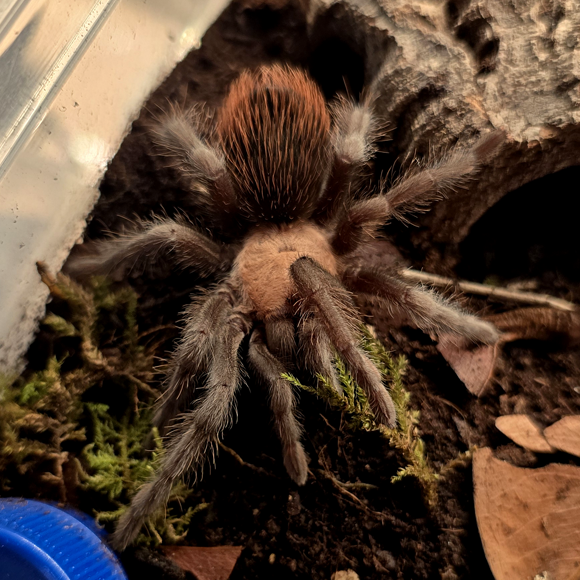
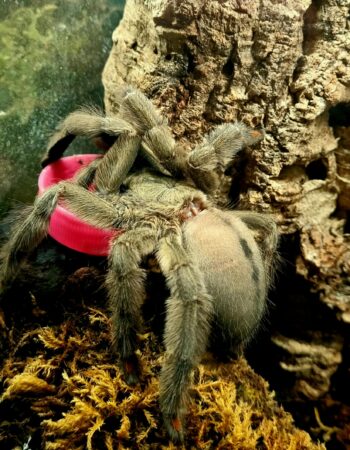
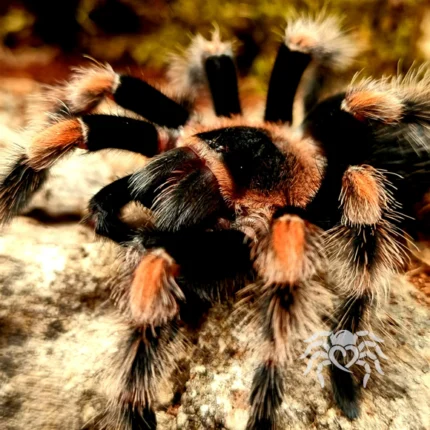
Golden-capped and genuinely relaxed, Brachypelma albiceps is a hardy, long-lived terrestrial tarantula ideal for keepers who prefer slow growth and manageable care.
| Weight | 20 g |
|---|---|
| Dimensions | 3 × 2 × 2 cm |
Tell me when it is available
Brachypelma albiceps is the sort of tarantula you occasionally catch lounging in plain sight and quietly appreciate for years. Native to central Mexico’s somewhat forgiving highlands, albiceps is perfectly adapted to moderate British room temperatures (22–25°C does nicely) and seems to agree with humidity somewhere between a dry living room and a greenhouse with optimism. Not much of an acrobat, these are unashamedly terrestrial diggers – give them enough substrate and a sturdy hide and they’ll often install themselves beneath, sometimes webbing the entrance for privacy.
Temperament is generally relaxed, but don’t mistake placidity for absolute predictability. Most will bolt for a burrow long before displaying any drama. Their urticating hairs are a gentle reminder to wash your hands after any tank work – itchy wrists are rarely a highlight. Juveniles are shyer and more prone to vanishing for days, whereas adults will often indulge in long spells out in the open, golden cap on display and very much the centrepiece of any rack.
Growth is slow to moderate (patience helps here), and females especially can clock up an impressive innings – upwards of 20 years on the right care. Males, as is the way, aren’t likely to see the decade out. Feeding is uncomplicated: stick to prey no larger than the abdomen, mind moulting time, and avoid the temptation to power-feed.
This is a species most keepers circle back to. Not because it’s ever the flashiest tarantula, but because it stays stress-free, looks the part, and tends to reward proper husbandry with years of quiet, hairy reliability. They’re somewhat forgiving of minor errors, a trait the less experienced (and the occasionally distracted) among us can appreciate. Not an excessive webber but won’t turn down a little light silk upholstery, especially as slings.
So, if you’re after an attractive, long-lived, and manageable terrestrial that doesn’t seem bothered by the British climate or by you peering in once too often, albiceps is as solid as they come – so long as you aren’t expecting circus tricks or giddy enthusiasm.
Only logged in customers who have purchased this product may leave a review.
Species breeding reference
Breeding Notes
Breeding Brachypelma albiceps isn’t a walk in the park, but it’s not as tricky as some. Most hobbyists agree that mimicking the seasonal swing from dry to damp, with a warm, steady climate boost, helps set the mood. Go slow, keep watch for aggression, and don’t be disheartened if the first try doesn’t pan out—timing and patience really are everything here.
Wild Breeding Season
There’s no firm consensus on the wild breeding season for Brachypelma albiceps, but climate patterns around their native highlands hint that summer, when rains arrive and conditions are less parched, is likely when they’re inclined to pair up. With natural humidity and temperature on the rise, this is when they seem most in the mood to start a family.
Wild Environmental Triggers
Increase in rainfall and a boost in ambient humidity, especially as the dry period gives way to wetter weather, appear to set the scene for breeding. Warmer nights and more reliable moisture are likely natural cues. These environmental tweaks nudge this species toward courtship and egg production.
Native Climate Context
Central Mexican highland habitats swing between dry and a bit damp, with the rains coming in summer. Expect warm days (about 20–23°C), cooler nights, and humidity up to 70% or so at the juiciest part of the wet season. These swings should guide your own seasonal tweaks if you want to mimic nature for breeding attempts.
Captive Breeding Window
Pairing typically goes best by bumping up humidity and keeping nights a bit warmer as spring shifts into summer—roughly May through September lines up with their wild wet season. Keep it natural, and don’t force the start or end dates if the spiders aren’t playing ball.
Pre-pairing Conditioning
Let each spider settle in well after their last moult, and keep things on the dry side for a few weeks. A light cooling period or more pronounced dry spell, followed by a clear uptick in humidity and slight warming, appears to help. Start feeding them up with smaller, more regular meals—but don’t overdo it, especially for the female.
Male Introduction Guidance
Introductions should be calm and well-supervised. Set up the male close to the female’s enclosure and allow him to pick up her scent overnight, introducing him gently the next day. Watch for aggressive signals and be ready to intervene—B. albiceps females can be less tolerant than some of their cousins.
Female Readiness Signs
A receptive female tends to stay out in the open, shows interest when the male approaches, and lacks any fresh-moulted shine. If she’s freshly moulted in the past month or hiding constantly, she’s probably not game yet.
Post-pairing Conditions
Once finished, keep the enclosure clean and lean toward the humid side as you would for a summer spell. Resist the urge to feed heavily—just the odd medium meal. Let her burrow and settle. Stability and a sense of calm seem to help her focus on egg-sack duties.
Sac Timeline
Reports vary, but you could be looking at 6–12 weeks from pairing to egg-sac, depending on the female’s timing. Incubation to hatching in captivity usually takes about 7–9 weeks, but patience is key and early checks aren’t advisable.
Incubation Notes
Keep the egg-sac with the female at stable room temperatures—low-to-mid 20s °C is ideal. Humidity should stay moderate: don’t over-mist, but don’t let things dry out. If removing the sac for artificial incubation, take care to replicate gentle warmth and airflow. Remove unhatched eggs if mould develops.
Expected Sling Count
Expect anywhere from 300 to over 800 spiderlings in a successful sac—most land somewhere in the middle, but numbers can vary widely based on the female’s size and health.
Risks and Cautions
Brachypelma albiceps isn’t the hardest to pair, but cannibalism is still a risk, especially if either spider is in less than perfect condition. Mismatched timing or poor environment can lead to dud sacs or no sac at all. Watch for signs of stress in either spider—back off if things look dicey.
Evidence confidence: Medium
UK Market Insight
Neutral UK availability and pricing context for this exact Species record.
Species care guide
Brachypelma Albiceps
Adult Size
13–15 cm diagonal leg span
Temperature
22–25°C
Humidity
50–65% RH
Temperament
Brachypelma albiceps is considered one of the more chilled-out members of the tarantula world. They’re not likely to dash about or throw a tantrum if you poke a finger at the enclosure (though I’d recommend not testing this theory for fun). Expect a generally docile attitude, but always remember that personalities can vary – one may saunter around like a fuzzy housecat, another might be a bit more reserved. Quick to bolt for cover if startled, these spiders rarely show aggression and instead give you the classic ‘I’ll just go hide now’ move.
Defence
Their primary line of defence is the good old urticating hair flick – a gentle warning for would-be predators (or nosy owners). While not aggressive, albiceps won’t hesitate to give a gentle kick when irritated, so best avoid unnecessary fussing around the spider. Their urticating hairs can cause itchiness or irritation if they land on your skin or (worse!) in your eyes, so always wash up after working in the enclosure. They’ll almost always choose retreat over confrontation, but don’t mistake their shyness for total complacency.
Visibility
If you like to actually see your tarantula, albiceps won’t disappoint – at least most of the time. Mature adults often sit out in the open, especially when they know the coast is clear. Juveniles may be shyer and love a good burrow, showing up mostly at night or when they sense feeding time. With patience, you’ll regularly catch them lounging atop their substrate like a tiny, hairy sultan. Their golden caps make them a proper show-off compared to some of their undercover cousins.
Experience Level
Brachypelma albiceps is a poster child for beginner-friendly tarantulas. Hardy, forgiving, and blessed with a pleasant temperament, they’re a great introduction to New World species for keepers of any experience level. That said, no tarantula is plug-and-play – slings are smaller and more delicate, and best practice says even the calmest spider deserves respect and caution. New keepers will appreciate their resilience to small husbandry errors and captivating looks, while seasoned hobbyists will enjoy their relaxed vibe and longevity.
Webbing
Albiceps is not your typical silk-slinger, but neither are they entirely shy about using their spinnerets. You’ll often find a light dusting of silk around hides, burrow entrances or anywhere they’ve decided is ‘home base’. Slings will sometimes decorate their patch more than adults, which can be fun to observe. Don’t expect heavy, arboreal-style curtains, but rather a neat touch-up as part of their interior design efforts. Silk is mainly used for footing and structural support, not for wrapping up the entire enclosure.
Feeding
Brachypelma albiceps enjoys a standard tarantula fare: crickets, locusts, dubia roaches, mealworms, and the odd waxworm for treats – as long as the prey is no larger than the spider’s abdomen. Slings should have access to pre-killed or small live prey every 4–5 days, while juveniles can be fed every 7–10 days. Adults do well with a meal every 10–14 days. Always remove uneaten prey after 24 hours to avoid stress (nobody likes dinner guests that overstay their welcome). Avoid power feeding; overstuffed tarantulas can end up with ruptured abdomens or moult issues. A plump tarantula is happy, but not obese! Adjust feeding frequency after moults, and never disturb during pre-moult.
Enclosure Recommendations
A clear, secure terrestrial enclosure is ideal – think 3–4 times the spider’s leg span in length and twice in width. Provide at least 10–15 cm of loose, diggable substrate (coco fibre or topsoil, please!) to allow natural burrowing behaviour, especially for youngsters. Add a sturdy hide (a chunk of cork bark or half a flower pot does nicely) and a shallow water dish. Cross-ventilation is important: stuffy homes make for grumpy tarantulas. Avoid excessive moisture; let the top dry out but keep the lower layers damp. Decorate as you like, but make sure there’s nothing sharp or topple-prone inside. Lids should be escape-proof – nobody wants a late-night ‘spider surprise’.
Final Thoughts
Brachypelma albiceps is a crowd-pleaser: long-lived, gentle, easy-going and truly beautiful with their shimmering golden caps and chilled attitude. Beginners and veterans alike appreciate their manageable nature and reliable appetite. They’re not the world’s most active spider, but when they’re out, you’ll be treated to some stunning display time. The sloooow grow-up phase is a lesson in keeper patience (and an excuse to acquire more tarantulas, naturally). If you’re after a hardy, forgiving, gorgeous species that’ll keep you entertained for years, albiceps ticks nearly every box. Just don’t expect circus tricks or cuddles – they’re spiders, not Labradors.
Species-specific guidance
Frequently Asked Questions
Is Brachypelma albiceps a good tarantula for beginners?
Absolutely! Brachypelma albiceps is remarkably beginner-friendly, being hardy, forgiving, and generally blessed with a calm temperament. Their resilience to minor husbandry errors makes them an excellent first choice, though all tarantulas still require consistent care and respect. They’re a great gateway species for new keepers and are equally appreciated by seasoned hobbyists.
What is the adult size of Brachypelma albiceps?
When fully mature, Brachypelma albiceps reaches around 13–15 cm diagonal leg span. Females are generally stockier and longer-lived, while males tend to be slimmer and a touch faster once they mature. Their striking golden carapace and black legs make them an impressive species in any collection.
How quickly does Brachypelma albiceps grow?
Brachypelma albiceps grows at a slow to moderate pace. Don’t expect drastic size changes overnight – juveniles gradually increase in size with each moult. It usually takes several years for slings to reach adulthood, rewarding patient keepers with a beautiful, robust spider.
How should I feed Brachypelma albiceps?
Feed Brachypelma albiceps a standard tarantula diet: crickets, locusts, dubia roaches, mealworms, and occasional waxworms. Offer slings pre-killed or small live prey every 4–5 days, juveniles every 7–10 days, and adults every 10–14 days. Always remove uneaten prey after 24 hours. Avoid power feeding, and never disturb them during pre-moult.
What humidity does Brachypelma albiceps require?
Aim for 50–65% relative humidity – similar to a classic British greenhouse. Let the top layer of substrate dry between light waterings, misting or lightly pouring water down one side weekly. Always provide a shallow water dish and ensure plenty of ventilation to avoid muggy conditions. Avoid keeping substrate soggy.
What kind of enclosure does Brachypelma albiceps need?
A terrestrial enclosure, 3–4 times the spider’s leg span in length and twice as wide, is perfect. Provide 10–15 cm of diggable substrate for natural burrowing, a sturdy hide, and a shallow water dish. Cross-ventilation is key—avoid stuffiness and excessive moisture. Secure lids are a must; these spiders appreciate both privacy and security.
What is Brachypelma albiceps’s temperament and defence like?
Brachypelma albiceps is known for its calm demeanour and prefers hiding over confrontation. If disturbed, their main defence is flicking urticating hairs, which can irritate skin or eyes—so always wash up after enclosure work. Aggression is rare, but respect their space. The Spoodoire does not endorse handling of any tarantula.
Will I see Brachypelma albiceps often, or is it a shy species?
Adult Brachypelma albiceps are often visible, happily lounging in the open when confident. Juveniles may be shyer and use their burrows more, emerging mainly at night. With patience, you’ll be rewarded with regular sightings, especially once they’ve settled in and feel safe in their environment.
Related products

Reviews
There are no reviews yet.