

Breeding Notes
Brachypelma Albiceps
Mexican golden red rump tarantula
Also known as: Mexican golden red-rump, golden red rump tarantula
Species-specific breeding guidance, seasonal context and practical caveats for experienced keepers.
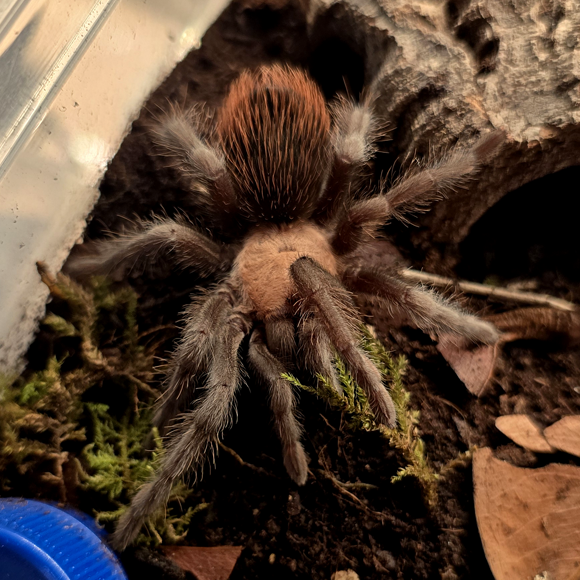
Species breeding reference
Breeding Notes
Breeding Brachypelma albiceps isn’t a walk in the park, but it’s not as tricky as some. Most hobbyists agree that mimicking the seasonal swing from dry to damp, with a warm, steady climate boost, helps set the mood. Go slow, keep watch for aggression, and don’t be disheartened if the first try doesn’t pan out—timing and patience really are everything here.
Wild Breeding Season
There’s no firm consensus on the wild breeding season for Brachypelma albiceps, but climate patterns around their native highlands hint that summer, when rains arrive and conditions are less parched, is likely when they’re inclined to pair up. With natural humidity and temperature on the rise, this is when they seem most in the mood to start a family.
Wild Environmental Triggers
Increase in rainfall and a boost in ambient humidity, especially as the dry period gives way to wetter weather, appear to set the scene for breeding. Warmer nights and more reliable moisture are likely natural cues. These environmental tweaks nudge this species toward courtship and egg production.
Native Climate Context
Central Mexican highland habitats swing between dry and a bit damp, with the rains coming in summer. Expect warm days (about 20–23°C), cooler nights, and humidity up to 70% or so at the juiciest part of the wet season. These swings should guide your own seasonal tweaks if you want to mimic nature for breeding attempts.
Captive Breeding Window
Pairing typically goes best by bumping up humidity and keeping nights a bit warmer as spring shifts into summer—roughly May through September lines up with their wild wet season. Keep it natural, and don’t force the start or end dates if the spiders aren’t playing ball.
Pre-pairing Conditioning
Let each spider settle in well after their last moult, and keep things on the dry side for a few weeks. A light cooling period or more pronounced dry spell, followed by a clear uptick in humidity and slight warming, appears to help. Start feeding them up with smaller, more regular meals—but don’t overdo it, especially for the female.
Male Introduction Guidance
Introductions should be calm and well-supervised. Set up the male close to the female’s enclosure and allow him to pick up her scent overnight, introducing him gently the next day. Watch for aggressive signals and be ready to intervene—B. albiceps females can be less tolerant than some of their cousins.
Female Readiness Signs
A receptive female tends to stay out in the open, shows interest when the male approaches, and lacks any fresh-moulted shine. If she’s freshly moulted in the past month or hiding constantly, she’s probably not game yet.
Post-pairing Conditions
Once finished, keep the enclosure clean and lean toward the humid side as you would for a summer spell. Resist the urge to feed heavily—just the odd medium meal. Let her burrow and settle. Stability and a sense of calm seem to help her focus on egg-sack duties.
Sac Timeline
Reports vary, but you could be looking at 6–12 weeks from pairing to egg-sac, depending on the female’s timing. Incubation to hatching in captivity usually takes about 7–9 weeks, but patience is key and early checks aren’t advisable.
Incubation Notes
Keep the egg-sac with the female at stable room temperatures—low-to-mid 20s °C is ideal. Humidity should stay moderate: don’t over-mist, but don’t let things dry out. If removing the sac for artificial incubation, take care to replicate gentle warmth and airflow. Remove unhatched eggs if mould develops.
Expected Sling Count
Expect anywhere from 300 to over 800 spiderlings in a successful sac—most land somewhere in the middle, but numbers can vary widely based on the female’s size and health.
Risks and Cautions
Brachypelma albiceps isn’t the hardest to pair, but cannibalism is still a risk, especially if either spider is in less than perfect condition. Mismatched timing or poor environment can lead to dud sacs or no sac at all. Watch for signs of stress in either spider—back off if things look dicey.
Evidence confidence: Medium