

Species Care Guide
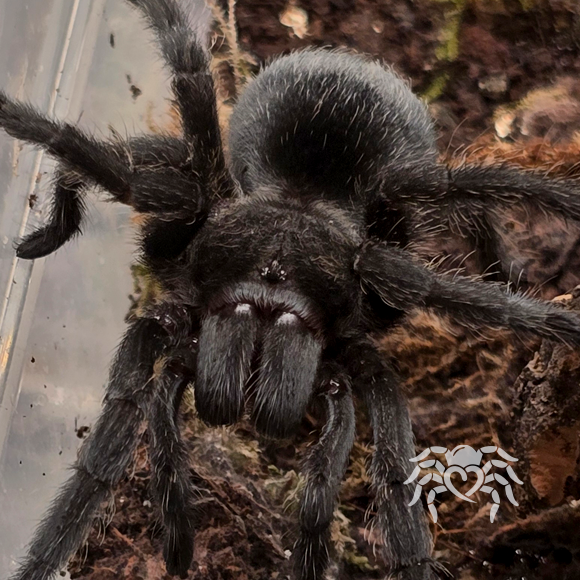
Grammostola pulchra
Brazilian black tarantula
Also known as: Brazilian black
Last updated: July 6, 2026
Buy this species
Origin
Grammostola pulchra, also cheerfully known as the Brazilian Black, hails from the subtropical grasslands, forests and scrub of southern Brazil and parts of Uruguay. Here, it enjoys a generally mild climate with seasonal variation—think warm summers, cooler winters and an all-you-can-eat buffet of insects. In the wild, these lovelies are often found under stones, logs or burrowed beneath leaf litter for a bit of privacy and coolness. The natural habitat tends to have moderate humidity, decent rainfall (especially in summer) and sandy or loamy soils perfect for a bit of light digging. In short, they’re from a place where the weather’s never too extreme—just right for growing into those inky black beauties we love.
Adult Size
Adult Brazilian Blacks are impressive without being monstrous, typically reaching a diagonal leg span of 14–16 cm (roughly 5.5–6.5 inches) when fully grown. Females are usually the beefier party, both in size and bulk, while mature males appear leggier, lighter and just a smidge smaller overall. Thanks to their slow and steady growth, it takes a while to reach full size—but the result is a handsome, jet-black spider that’s plum gorgeous in every way. Flashy? In their understated way, absolutely. Just don’t expect overnight transformations; patience is key with this one.
Lifestyle
Grammostola pulchra is most definitely a terrestrial tarantula. It spends the vast majority of its time on or just below the ground, making use of shallow scrapes or pre-existing hides rather than constructing elaborate burrows. In captivity, they’re gentle homebodies—rarely seen scaling enclosure walls or attempting daring escapes, but always up for a saunter around their patch when they think you’re not looking. They’ll happily loaf about in the open, especially when feeling secure, but will retreat to a cosy hide at the first sign of trouble. No tree-dwelling antics here—just a solid, earth-loving spider with all the grace of a slowly-moving shadow.
Lifespan
The Grammostola pulchra is the tarantula world’s equivalent of the wise old grandparent—particularly the females. Females can live upwards of 20 years, with some reports of 25+ years in lovingly kept collections. Males, as is tradition for many tarantulas, tend to be short-lived by comparison, maturing between year 5–8 and usually only sticking around for another year or two post-maturity. If you want a lifelong companion to watch you binge-spend on spider décor, get a female; if you’re feeling less patient, a male will happily sprint through life (and your heart) in much less time.
Growth Rate
Grammostola pulchra is legendary for its glacial growth rate. This is not a spider for fans of instant gratification—spiderlings can take 7–9 years to reach full, brooding adulthood. Factors like feeding frequency, temperature and genetics come into play, but generally even the most pampered pulchra wants to take it slow. On the bright side, this offers plenty of time to enjoy every developmental milestone and upgrade the enclosure at a leisurely pace. If you’re after rapid results, look elsewhere—but if you enjoy a long game, they’re worth every patient year.
Temperament
If tarantulas had a zen master, it’d be Grammostola pulchra. They are famously docile, slow-moving and unlikely to start drama. Sudden movements may elicit a gentle retreat, but generally, they’re the picture of poise. Even their defensive displays are almost apologetic; give them respect, and they’ll give you peaceful cohabitation. While their friendly reputation tempts many toward handling, it’s not recommended—spiders prefer to do their brooding from the safety of the ground (and we like our spiders uninjured). Expect fascinating behaviour, a laid-back attitude and all the charisma of a midnight ninja.
Temperature
Grammostola pulchra thrives in typical British room temperatures, preferring a range of 21–24°C (70–75°F). Try to avoid dropping below 18°C for long periods, and there’s no need to roast them in a sauna—high temps can stress your spider and dry out your substrate. If you keep your house on the cooler side or live in a drafty Victorian, a small, thermostatically controlled heat mat attached to one side of the enclosure can help maintain cosiness. Always monitor with a reliable thermometer, and be mindful not to overheat. As with Brits and their tea, warmth is important—but a gentle approach is best.
Humidity
Keep humidity at a comfortable 55–65% for G. pulchra, which is easily achieved with slightly damp substrate and a generously sized water dish. Avoid turning the enclosure into a steamy jungle—stuffy, soggy conditions are not your spider’s cup of builder’s tea and may invite mould or mites. Good cross-ventilation is a must, so ensure air can flow but not so much that you’re creating drafts. Young slings like it a tad damper, but let things dry out a bit between mistings. Spot clean spilled water quickly, and refresh the water dish regularly for optimum spider hydration and photo ops.
Visibility
G. pulchra are a delight for keepers who enjoy actually seeing their eight-legged pets. Adults especially are often on display, lounging outside their hides and occasionally taking slow strolls around their kingdom. Juveniles and slings may be a bit shyer, but usually lose much of this bashfulness with age and security. Active mostly at night but not averse to the occasional daytime appearance (particularly at feeding time), they’re one of the best ‘show spiders’—black velvet legs gleaming under the light, striking regal poses for admiring fans.
Webbing
While not exactly spiders gone wild with the silk, G. pulchra do produce modest webbing—often lining the entrance to their hide, making a soft mat for lounging, or giving their food the occasional safety net. You won’t see thick layers of silk festooning every corner, but what they do spin serves a clear purpose. It’s a subtle but fascinating behaviour to watch, especially when they reline their lair with exquisite precision. Webbing is usually more pronounced in slings, becoming less dramatic as they age.
Feeding
Start your slings off with pre-killed or pinhead crickets, fruit flies or similarly dainty morsels once per week. Juveniles graduate to larger crickets, mealworms or small roaches—once every 7–10 days. Adults can be fed once every 10–14 days, keeping in mind that this species doesn’t have the world’s biggest appetite. Avoid overfeeding; they tend toward the plush side with too much food. Remove uneaten prey after 24 hours to maintain good hygiene and avoid night-time intruders (looking at you, rogue crickets). Pulchra may go on hunger strikes during moult or colder months—don’t panic, just check that water’s always available and leave them be. Watching that careful, slow feeding response is half the fun—no wrestling, no drama, just a leisurely gourmet meal.
Enclosure Recommendations
Provide your Grammostola pulchra with a terrarium offering at least three times the spider’s leg span in floor space and enough height to discourage climbing but not risk injury from falls (15–25 cm high is perfect for adults). Use 7–10 cm of moisture-retentive substrate (coco fibre, soil or a mix does nicely), giving them the option to dig if they’re feeling industrious. Add a sturdy hide (half flowerpots or cork bark work brilliantly) and a wide, shallow water bowl that’s easy to clean. Ventilation is essential: cross-flow or mesh tops work well, but watch for excessive drying. Decorations are entirely optional—your spider will appreciate the effort, even if it quietly ignores them. Regular spot cleaning and water bowl checks are the secret to long-term success.
Experience Level
Thanks to their hardy nature, calm temperament and forgiving care requirements, Grammostola pulchra is an ideal starter species for new keepers looking to dip their toes (responsibly!) into tarantula world. Intermediate and advanced hobbyists love them for their looks, reliability and sheer presence—everyone’s collection deserves that velvety black touch. Just remember their slow pace might try the patience of those expecting lightning-fast growth, but their gentle disposition more than makes up for any wait.
Final Thoughts
Grammostola pulchra is a hobby legend and for good reason. Hardy, beautiful and easygoing, this is a spider that rewards patience with decades of gentle companionship and regular, regal display. Their slow growth may frustrate sprinters, but those willing to invest time will be rewarded with one of the smoothest, most visually striking tarantulas available. Stunning velvety black looks? Check. Relaxed personality? Absolutely. Ideal for the first-timer but still a prized possession for seasoned hobbyists. Just remember, slow doesn’t mean boring—every meal, moult and night-time stroll is a pleasure to watch. If you want a spider that will outlast your houseplants and only judge you silently from afar, the Brazilian Black is the one.
Community Species Gallery
Approved photos submitted by registered Spoodoire users.
No community images have been approved for this species yet.
Submit Your Photo
Log in to submit a photo for this species.
Available at The Spoodoire
Products linked to this species care guide.