

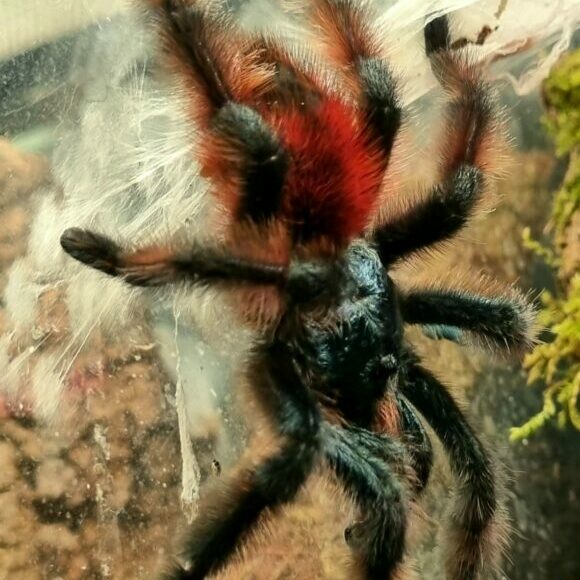
Caribena versicolor
Price range: £25.00 through £160.00
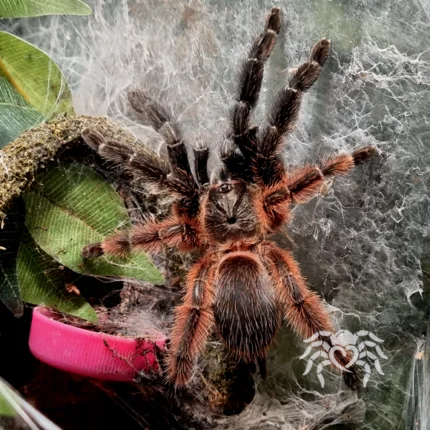
Arboreal architect adept at curtain-twitching from elaborate silk tunnels; shows itself mostly at dusk, unless you’re keen to spot the occasional grumpy leg in daylight.
| Weight | 20 g |
|---|---|
| Dimensions | 4 × 3 × 3 cm |
Tell me when it is available
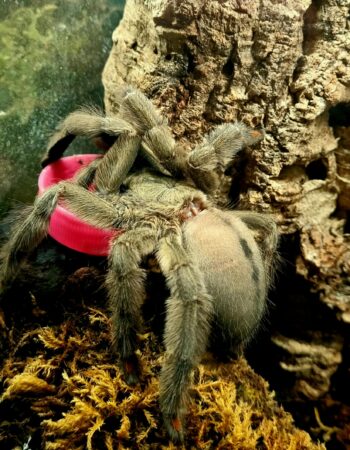
Caribena versicolor, a favourite among keepers for good reason, is a textbook arboreal species hailing from the Caribbean islands (notably Martinique). Forget ground-dwellers—this one is an acrobatic tree-dweller, turning vertical enclosures into elaborate web-tunnels that sometimes look more like a DIY project than a tidy home. Watching a freshly arrived spiderling coat its enclosure in cotton-candy web overnight is almost a rite of passage.
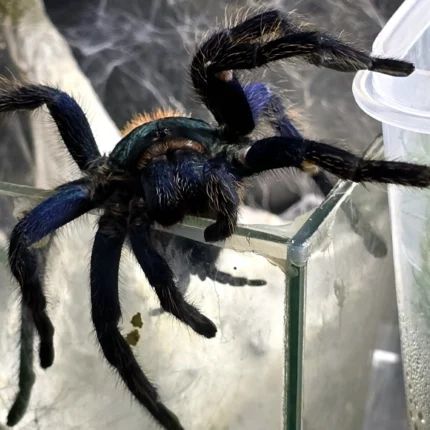
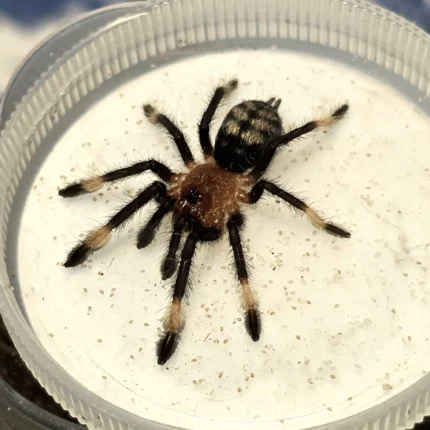
Adult females reach a diagonal leg span of 12–15 cm and keepers can expect those vibrant metallic colours to stay brighter in females, while males take the lankier and, let’s face it, slightly duller route once mature. Growth is moderate, but variable—warmth and regular feeding will help, though even a plump sling can go on a hunger strike when due a moult.
Lifespan varies with sex; females regularly last 8–12 years with sensible care, while males rush through life in 2–3 years and rarely hang about after their big debut. This means you’re in for a long-term commitment (especially if you pick a female).
Keeping humidity at 70–80% is key, along with consistent cross-ventilation. A large water dish, occasional overfilling, and misting one side will keep the spider well hydrated—no need for a tropical monsoon. Temperature is best at 22–26°C, with stability trumping sudden swings. Any enclosure should be vertical (20 x 20 x 30 cm works for adults), packed with upright cork bark or branches for webbing. Substrate should hold some moisture, but not become boggy, and hiding spots up high are a must.
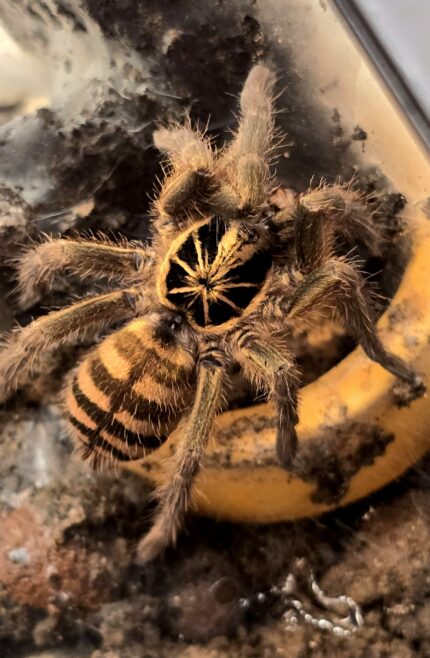
Temperament is generally docile but speedy, especially as slings. They’re quick to vanish if you so much as sneeze nearby. Bites are rare; honestly, they’d rather sprint than scuffle. Urticating hairs are there as a backup, not their first choice defence. Visibility is good for an arboreal—juveniles tend to lurk near the front at dusk, and there’s almost always a colourful leg, abdomen, or carapace poking out for the patient observer.
Feeding is straightforward; spiderlings are eager for prey, adults less so but still reliable. Sensible feeding prevents both obesity and glacial growth rates. Remove leftovers promptly, unless cultivating a cricket population is your goal. Webbing is where this species truly shines—don’t be surprised if the whole setup is redecorated frequently. Just don’t tidy up too often; webs are home and pantry rolled into one.
Best for slightly experienced keepers who enjoy observing natural behaviours and have patience for fussy eaters and the odd stubborn moult. A proper web decorator and a fine excuse to add a splash of Caribbean colour to your collection—assuming you’re happy to look, not cuddle.
Only logged in customers who have purchased this product may leave a review.
Species breeding reference
Breeding Notes
Not the hardest spider on Earth to pair, but certainly no walk in the park. Keepers who nail the warm, humid, well-ventilated conditions and time their pairing to mimic the rainy season tend to have the most luck. Expect some trial and error—and always have spares if you’re relying on the outcome.
Wild Breeding Season
There's not much solid evidence for a strict wild breeding season for Caribena versicolor, but given their steady tropical climate with only minor seasonal shifts, they likely mate throughout much of the year, possibly with a nudge when rainfall is higher during the wet season.
Wild Environmental Triggers
Breeding seems loosely tied to the wetter and slightly warmer months (roughly June to October) when humidity climbs and there's more rain—a boost for arboreal webs and prey. Otherwise, their balmy treehouse lifestyle doesn’t change much year-round.
Native Climate Context
Martinique’s climate is a classic warm, humid Caribbean blend: 22–26°C for most of the year, humidity hovering around 80–86%, with regular rain and few real extremes. In the wild, these spiders thrive in leafy heights high above the forest floor, rarely venturing down unless forced.
Captive Breeding Window
Captive breeding can be attempted any time temperatures and humidity are running on the high side, but you might get best results by mimicking wet season conditions—raising humidity and offering slightly more frequent light mistings.
Pre-pairing Conditioning
Feed both adults well but avoid overdoing it, as excess weight can put the male at even more risk. Offer steady warmth, extra humidity, and a settled, undisturbed environment in the fortnight leading up to introductions. A mature female should be at least one good meal past her last moult.
Male Introduction Guidance
Introduce the male late in the day when light is low. Let him explore the female’s enclosure under supervision—there’s often a lot of webbing for him to pick his way through. Have long tweezers or a soft paintbrush handy in case you need to rescue him, as females can be unpredictable. Don’t leave them unattended overnight.
Female Readiness Signs
A ready female usually sits in or near her web tunnel, well-fed and alert, showing no signs of pre-moult. If she’s restless, aggressive or freshly moulted, give her more time. Some report females showing more tolerance of the male when humidity is up and feeding has been regular.
Post-pairing Conditions
After a successful pairing, keep environmental conditions steady: warm (around 24–26°C) with high humidity and good ventilation. Resist over-misting, but make sure she has water and isn’t disturbed for a solid few weeks. Reduce feeding to avoid sac-eating due to food competition in the web.
Sac Timeline
Reports are varied, but most keepers notice egg sac construction about 4–8 weeks post-pairing. Assume an incubation window in the ballpark of 6–8 weeks before spiderlings emerge, but be aware timing depends heavily on temperature and the individual female.
Incubation Notes
Once the sac is made, you can either leave it with the female (but check daily for signs of cannibalism or sac neglect) or pull it for artificial incubation at around 30 days. Either approach needs care: stable warmth, steady but not swampy humidity, and zero disturbance are critical if you don’t want to lose the lot.
Expected Sling Count
Expect anything from 70 to well over 130 spiderlings per sac, but this can fluctuate wildly depending on the mother and conditions. If all goes well, you could have your hands very full indeed!
Risks and Cautions
Caribena versicolor are prone to stress and often eat their sacs if disturbed too much, humidity dips, or prey is left in the enclosure. Males are at high risk with some females, and unsuccessful pairings are common. Never treat it as a sure thing. Beginners may find the fragile slings tricky to rear past the fragile first few moults. Be cautious, go slow, and have a back-up plan for male safety every time.
Evidence confidence: Medium
UK Market Insight
Neutral UK availability and pricing context for this exact Species record.
Species care guide
Caribena versicolor
Adult Size
12–15 cm diagonal leg span
Temperature
22–26°C, stable heat preferred
Humidity
70–80% RH, good ventilation essential
Temperament
Despite their showstopping looks, versicolors are typically quite docile—think of them as the 'friendly neighbours' of the tarantula world, though still quick on their feet. They rarely threaten, preferring to bolt into their webs at the first sign of danger. Spiderlings can be a tad skittish and prone to 'zoomies' (the technical term for bouncing about at warp speed). Bites are exceedingly rare, but these are display spiders, not cuddly pets. For best results (and intact nerves), observe rather than interact.
Defence
Caribena versicolor has a mellow attitude and is more inclined to flee than fight. Their first and preferred line of defence is lightning-speed retreat into their web. They do possess urticating hairs—a little gift from evolution—but they're less prone to flick than some new-world terrestrials. Still, during rehousing or maintenance, precautions like gloves and considered movements are wise. No need for heroics: slow and steady wins the rehousing race.
Visibility
If you love watching web architects at work, this is your spider! Young versicolors are brazen little things, often out and about, especially at dusk and after dark. As they mature, they'll spend more time hanging in or just outside their web tunnels. Still, with a well-designed enclosure, you'll usually see at least a few gorgeous, fuzzy legs or that iridescent carapace peeking out. Versis are a treat for keepers who appreciate both visible beauty and the odd game of 'spot the tarantula.'
Experience Level
Caribena versicolor is best suited to keepers with some prior arboreal experience, or enthusiastic, well-read beginners ready for a challenge. Their fast movement, humidity needs and occasional stubbornness when it comes to eating or moulting mean they're not exactly ‘set and forget’. With good research, patience and respect for their speed, versicolors reward their keepers with stunning colours and fascinating webbing behaviours. Not a beginner’s first tarantula, but an excellent next step!
Webbing
A web engineer par excellence, versicolors turn their vertical enclosures into silky works of art. Spiderlings produce bright white, fluffy webs almost overnight, often sealing themselves behind web curtains as they moult or eat. Adults construct elaborate tunnels and hammocks in high corners and around cage décor, using their retreats for protection and hunting bases. Expect your enclosure to quickly transform into a soft-silk city—messy, yes, but glorious. Don’t clean it away too often; webbing is home, pantry and safety blanket all rolled into one.
Feeding
Versicolors are enthusiastic eaters, especially as slings and juveniles. For spiderlings, offer appropriately sized prey (such as fruit flies, micro-crickets or pre-killed mini mealworms) every 4–5 days. Juveniles graduate to small crickets or dubia roaches twice a week, while adults do well with one good-sized insect weekly—or fortnightly if on the plump side. They're usually keen hunters, but can fast for weeks before a moult. Don’t panic if they refuse food—check for bald abdomens and darker colours (classic pre-moult signs). Remove uneaten prey within 24 hours to keep things fresh and stress-free. Overfeeding leads to chunky, lazy spiders; underfeeding slows growth. Aim for the Goldilocks approach: just right!
Enclosure Recommendations
Go vertical, not horizontal—a tall, clear enclosure (e.g. 20 x 20 x 30 cm or more for adults) is perfect. Provide lots of anchor points for webbing: upright cork bark, fake vines, or securely planted branches work well. Substrate should be moisture-retaining but not waterlogged—coco fibre or a peat mix 5–8 cm deep is plenty. Top-priority: Cross ventilation! Versicolors abhor stagnant air. Fix in a water dish, glued down if necessary, as they're notorious dish flippers. Hidey-holes high up, not on the ground, mimic their natural retreats. Light misting keeps humidity up. Avoid overcrowding with clutter; let your spider do the decorating (and it will—enthusiastically).
Final Thoughts
Caribena versicolor is a jaw-dropping centrepiece for any collection—a riot of colour, an ace web engineer and, if we're honest, a bit of a show-off. They're demanding, yes, but not impossible; do your homework, provide the right environment, and you'll be rewarded with a vivid, lively tarantula that's always up to something in their silken home. Perfect for those ready to advance past the beginner stage, versicolors are an absolute delight to observe. Just remember: quick movements, high humidity, and a 'look but don’t poke' approach are the keys to flourishing husbands and flourishing spiders alike. Go on, give yourself the gift of Caribbean colour—your spider shelf will thank you.
Species-specific FAQs are not available yet.

Reviews
There are no reviews yet.