

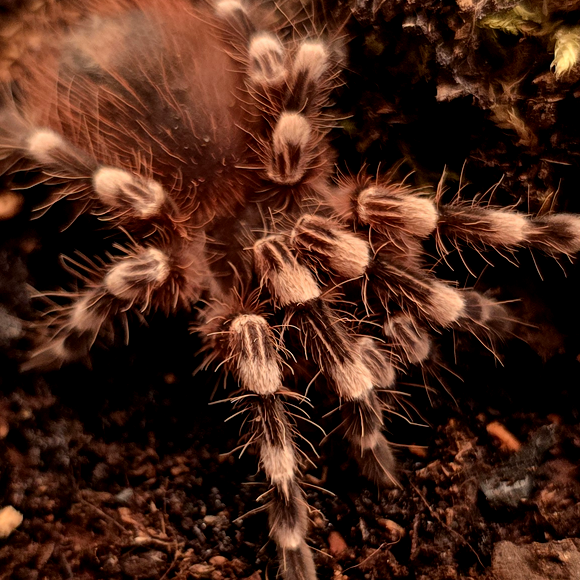
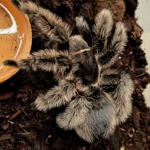
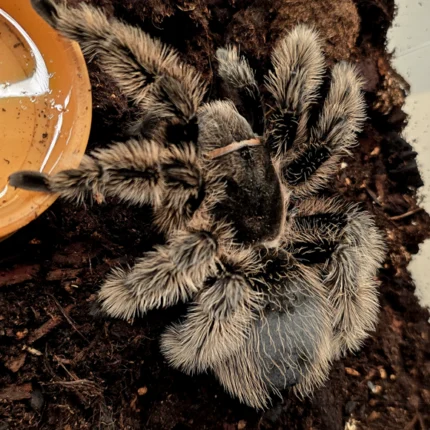
Acanthoscurria geniculata
Price range: £6.00 through £40.00
Bold as brass at feeding time, reserved the rest—shows off its knees with far more enthusiasm than its webbing.
| Weight | 100 g |
|---|---|
| Dimensions | 5 × 5 × 5 cm |
| Common Name | Brazilian White Knee |
Tell me when it is available
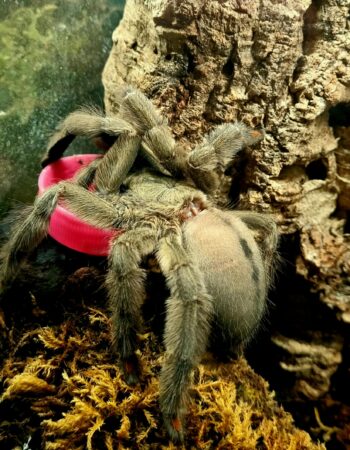
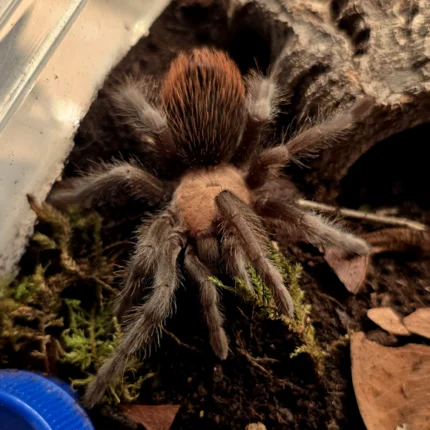
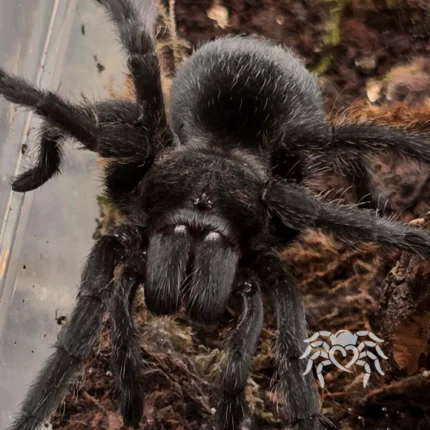
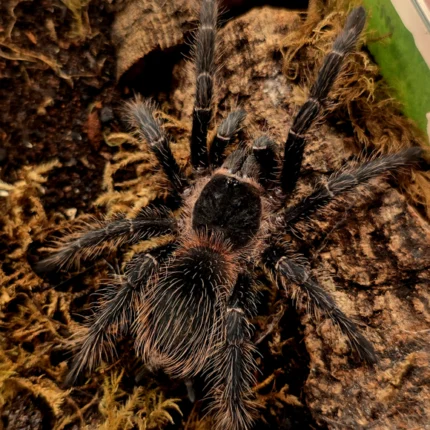
Acanthoscurria geniculata, often referred to as the Brazilian Whiteknee, is one of those species that brings instant presence to a collection. Hailing from the humid Amazon basin, they’re textbook terrestrial spiders—big, bold, and never shy about showing off. With their distinctive white-banded legs and habit of draping themselves across their substrate, they’re a true display tarantula, usually seen pressed up against the glass waiting for dinner or simply surveying their domain.
This species isn’t much for climbing or extravagant webbing; it prefers rearranging its substrate, digging shallow scrapes, and using hides rather than excavating grand burrows. Expect a brisk feeding response—if it moves, it’s food—making mealtimes lively if you value your tongs. While not particularly tricky to care for, A. geniculata is large, with full-grown females reaching up to 20cm diagonal leg span, so make sure both enclosure and hide are sized for a genuine bruiser.
Humidity around 65–75% and temperatures between 22–26°C suit them well; a well-ventilated terrestrial setup with decent cross-flow, moist (not muddy) substrate, and a large water dish keeps most of their rainforest preferences in check. Their temperament is forthright but not aggressive—some are content to ignore you, others will flick hairs at the mere suggestion of bother. Bite risk is low with respectful husbandry, but urticating hairs are their main line of defence and not to be underestimated. Maintenance is rarely dramatic—spot cleaning and steady routine, plus the occasional reminder not to antagonise the resident centrepiece.
In summary, Acanthoscurria geniculata is a hardy, visually striking tarantula with bags of character. Not ideal as a first spider, but for the step-up keeper looking for a display species with a bit of attitude, the Brazilian Whiteknee rarely disappoints—provided you keep a lint roller handy.
Only logged in customers who have purchased this product may leave a review.
Species breeding reference
Breeding Notes
Acanthoscurria geniculata can be bred in captivity with a bit of planning and a close eye on conditions. Timing is best matched to their natural rhythms—simulate the rainy season, make sure your female is fit and fed, and supervise all pairings. Prepare for a potentially large number of slings and don’t expect every pairing to go smoothly, but with patience and a spider-savvy attitude, you’ve got a fair shot at success.
Wild Breeding Season
The wild breeding season for Acanthoscurria geniculata isn’t nailed down to a specific month, but in their Amazon home, most large spiders time their reproductive efforts with the arrival of wetter, warmer months. In this region, the wet season tends to kick off from December and carries on into April, with higher humidity and rainfall.
Wild Environmental Triggers
Rising humidity, more frequent storms, and warmer temps all seem to set the scene for breeding in the Amazon. These conditions encourage females to emerge from hiding and males to wander further in search of mates. It’s thought these triggers signal a boost in prey and better odds for the next generation.
Native Climate Context
A. geniculata thrives in the ever-moist, warm climate of the Brazilian Amazon. Think steady warmth, high humidity, and bursts of heavy rain—no freezing nights or bone-dry days. The forest floor is rarely truly dry, but rainfall and humidity both peak during the wettest stretch of the year, giving these spiders a steady, nurturing environment for breeding and raising young.
Captive Breeding Window
In captivity, successful pairings for this species often align with a simulated 'rainy season'—raising humidity and slightly nudging up nighttime temperatures in late winter or early spring. Breeders usually wait until the female is fresh from moulting and looking well-fed before pairing.
Pre-pairing Conditioning
Give your female a bit of a pampering before pairing—plenty of food, fresh water, and a quiet, stress-free setup. Mimic that subtle shift to 'rainy season' by boosting humidity, and let the female go several months without disturbance after her latest moult before introducing a male.
Male Introduction Guidance
Best to introduce the male in the evening, when both spiders are more relaxed. Place his enclosure near the female’s for a few days ahead of time so they can pick up on each other's scents. When you do make the introduction, keep a close watch—A. geniculata females often show strong feeding responses, so a well-fed female is a safer bet.
Female Readiness Signs
A plump, recently moulted female that’s actively webbing her enclosure and out and about on the surface is often a good sign she’s ready. Don’t try pairing if she’s in pre-moult or still acting sluggish after her last shed—a fresh moult and three or four solid feeds is a sensible rule of thumb.
Post-pairing Conditions
After a hopefully successful pairing, keep up those warm, humid Amazon vibes in her setup. Limit disturbances, offer steady food, and keep a watch for signs of burrow building or webbing—she’ll want to feel secure if she’s to lay a sac.
Sac Timeline
Exact sac timings vary, but females tend to drop sacs anywhere from 4 to 10 weeks after pairing if all goes well. She’ll guard the sac closely and may show a dramatic uptick in defensive behaviour during this time.
Incubation Notes
Leave the sac with the female for at least four weeks, as A. geniculata mothers generally do well caring for their eggs. Some breeders pull the sac at 30–40 days for artificial incubation—humidity and warmth are key. Take care not to dry out the eggs; they’re prone to desiccation in low humidity.
Expected Sling Count
Clutches can be generous, with 100 to 300 slings not unusual from a healthy, mature female.
Risks and Cautions
Encounters between male and female can be risky—these want-to-eat-everything ladies have claimed more than one suitor, so watch pairings and remove the male promptly after mating. Females should not be paired until fully recovered from moult; otherwise, the sac is likely to be dud. Err on the side of caution with humidity, as low moisture can lead to sac failure or dried out eggs. Eggsacs this size can occasionally have a high number of infertile eggs, especially if the female is old or underfed.
Evidence confidence: Medium
UK Market Insight
Neutral UK availability and pricing context for this exact Species record.
Species care guide
Acanthoscurria geniculata
Adult Size
18–20 cm diagonal leg span
Temperature
22–26°C
Humidity
65–75% RH
Temperament
Acanthoscurria geniculata combines beauty with… a bit of attitude! While not lightning-fast or prone to chasing you round the room, they’re known for their boldness, especially at feeding time—they’ll pounce first and ask questions later. Some individuals are remarkably chill, but others can be a bit twitchy and will readily flick hairs if annoyed. They're generally straightforward to work with as long as you respect their boundaries and don’t poke about too much. Not a cuddle-bug, but far from a nightmare.
Defence
The primary defence of A. geniculata is their urticating hairs, which they flick liberally when miffed—one good blast and you’ll be itching for days. Biting is rare and usually only if properly cornered. They’ll usually give plenty of warning: flicking hairs, raising their front legs, and generally looking unimpressed with your antics. Always approach enclosure maintenance slowly and with tools rather than hands—it’ll save everyone much grief (and rash).
Visibility
This is one of the hobby’s classic ‘display tarantulas’. A. geniculata is out in the open more often than not, particularly at night but also during the day, especially if they suspect food might be on the way. They’re rarely shy past their sling stage, making them a real centrepiece for any collection. Expect to be regularly greeted by those iconic stripy knees pressed up against the glass, waiting for dinner or a bit of attention (or so we like to believe).
Experience Level
A. geniculata is brilliant for the step-up keeper—beginner-ready with just a dash of spice. Their bold feeding response and hardy constitution mean you won’t be fussing over every little husbandry detail, but their size and occasional hair-flicking mean a new keeper should be ready for a spider that knows its own mind. Respect the species and you’ll soon gain confidence, but don’t expect a tarantula that wants to be pampered!
Webbing
Their webbing is ‘functional minimalist’. They’ll lay down a modest carpet of silk around their hide and feeding zone, mostly to keep track of insect intruders and make their turf feel homey. Don’t expect dramatic curtains or tunnels—this isn’t a GBB beauty parlour. However, you might spot patchwork silk being deployed post moult or after a big meal, and curious hobbyists enjoy watching how methodically they decorate their territory.
Feeding
A. geniculata sports one of the most enthusiastic feeding responses in the tarantula world. Slings thrive on appropriately sized prey such as pre-killed pinhead crickets or mealworm segments, eating two or three times a week. Juveniles move up to larger crickets, locusts or roaches, feeding every 5–7 days, while adults typically take a hearty meal every week or so. Always size prey to the spider, and fish out uneaten morsels within 24 hours to prevent cheeky feeders nibbling your tarantula or stressing it out. Overfeeding can lead to overly plump abdomens (no fat shaming, but moulting complications are a risk!). Underfed individuals grow sluggishly—steady, regular meals and patience deliver the healthiest results. This species rarely turns down dinner, so expect lively hunting displays and the occasional overzealous ‘strike’ at feeding tongs.
Enclosure Recommendations
Opt for a medium to large terrestrial enclosure with ample floor space—something around 45 x 30 x 25 cm is perfect for a chunky adult. Depth of substrate (coco fibre is ideal) should be 7–10 cm to permit a bit of digging or tunnelling beneath décor. Add a sturdy hide that can actually fit the spider once full-grown—think half a coconut or a cork bark slab. Place a generous water dish on the surface for hydration and humidity balance. Cross-ventilation is vital to stave off stuffiness, but avoid overly breezy setups. Décor can include fake plants and leaf litter for that authentic Amazonian vibe, but avoid sharp edges or overly tall items (they won’t be climbing that gym kit). Regular spot cleaning, water refreshment, and checking for moults are your main chores.
Final Thoughts
Acanthoscurria geniculata is a striking centrepiece for any collection—robust, relatively unfussy, lightning quick at dinner, and absolutely jaw-dropping when they’re chilling at the front of the enclosure. Their personality is engaging without being terrifying, and their husbandry is forgiving as long as the basics are covered. The only caution is their size (not for the absolute spiderphobe!) and enthusiastic use of urticating hairs—open the lid with respect and a steady hand. If you’re after a tarantula you’ll see more than your own kids and that offers a taste of the exotic rainforest at home, the Brazilian Whiteknee won’t disappoint.
Species-specific guidance
Frequently Asked Questions
Is Acanthoscurria geniculata suitable for beginners?
Acanthoscurria geniculata is brilliant for keepers ready to move beyond beginner level. Their robust health, straightforward husbandry, and bold feeding responses make them a confidence-boosting pet. However, their large size and tendency to flick urticating hairs means complete newcomers might prefer a more docile species to start. Respect and gentle care go a long way.
How large does an adult Acanthoscurria geniculata get?
Adult female Acanthoscurria geniculata can reach an impressive 18–20cm diagonal leg span, with males a bit smaller and leggier. It's a genuinely chunky spider, particularly when fully grown, making it a true show-stopper in any collection. Their size develops steadily over a few years with good feeding and care.
What is the temperament of Acanthoscurria geniculata?
This species combines striking looks with a bold, sometimes feisty personality. While not aggressive, Acanthoscurria geniculata are known for assertive feeding and will readily flick urticating hairs if disturbed. Occasional individuals are more placid, but it’s best to approach all maintenance with respect. The Spoodoire does not endorse handling of any tarantula.
How fast does Acanthoscurria geniculata grow?
Acanthoscurria geniculata boasts a reasonably quick growth rate, especially as slings and juveniles. With warmth and regular, appropriate feeding, you can see significant size increases within just a few years. Growth slows as they reach maturity, and males generally mature faster than females. Patience and steady care yield the best results.
What kind of enclosure is best for Acanthoscurria geniculata?
Opt for a medium to large terrestrial enclosure, around 45 x 30 x 25 cm for an adult. Provide 7–10 cm of moisture-retentive substrate, a robust hide, a large water dish, and decent cross-ventilation. Décor like cork bark, fake plants, and leaf litter create a natural atmosphere. Avoid tall items, as they’re not climbers.
How visible is Acanthoscurria geniculata in its enclosure?
The Acanthoscurria geniculata is a classic display tarantula, often seen out and about, especially at night or when food is nearby. Beyond the sling stage, they’re rarely shy, making them a great choice if you want a spider you’ll actually see. Expect those iconic stripy knees to be on show more often than not.
What is the feeding response like for Acanthoscurria geniculata?
Few species beat Acanthoscurria geniculata for sheer enthusiasm at dinner time. Slings eat several times a week, juveniles once every 5–7 days, and adults weekly. They can be quite dramatic hunters, often striking boldly at prey or feeding tongs. Remove uneaten food after 24 hours to maintain enclosure hygiene.
How should humidity and moisture be managed for Acanthoscurria geniculata?
Aim for 65–75% humidity, with one area of the substrate slightly moist and another drier for choice. Never let the enclosure become soggy—balance is key. A large water dish helps maintain both hydration and humidity. Ventilation is important to avoid stuffiness and mould, and mist only sparingly as needed.
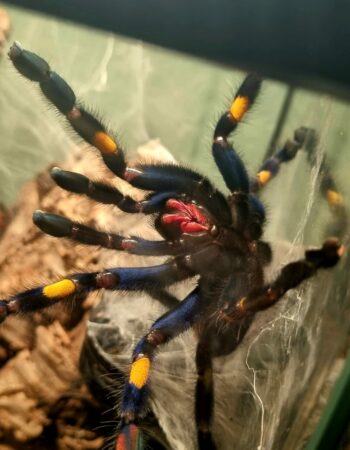

Reviews
There are no reviews yet.