

Species Care Guide
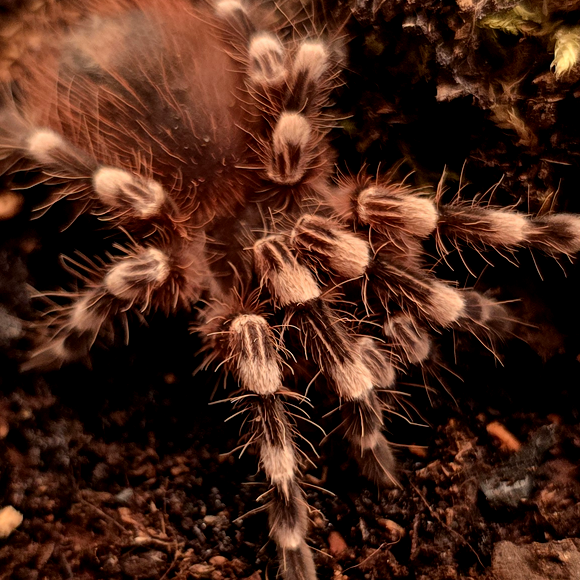
Acanthoscurria geniculata
Brazilian whiteknee tarantula
Also known as: Brazilian giant whiteknee, giant white knee, whiteknee tarantula
Last updated: July 2, 2026
Buy this species
Origin
Acanthoscurria geniculata hails from the lush, humid rainforests of northern Brazil, especially within the vast Amazon basin. In their natural environment, these tarantulas thrive amidst leaf litter, decaying logs, and rich soil, where the climate is perpetually warm and humid. The Amazon’s canopy provides filtered sunlight and creates a stable microclimate, with regular rainfall and a fairly consistent temperature year-round. These spiders are ground dwellers but, given the right nooks and crannies, often take shelter beneath things rather than burrowing deeply. In captivity, their ease of adaptation is part of their charm, but replicating that warm, damp rainforest habitat at home is key to their thriving.
Adult Size
Adult Acanthoscurria geniculata are proper bruisers, with females routinely reaching 18–20cm diagonal leg span (DLS). Males tend to be a bit smaller and less robust. If you want your collection to have a ‘wow’ factor, this species absolutely delivers once mature, with impressive bulk and striking white-banded legs. Bear in mind, they reach these sizes over several years, but with good feeding, you’ll soon see your pet transform from a tiny sling into a hefty adult. Males, while smaller, are leggier and a bit less stocky than the formidable females.
Lifestyle
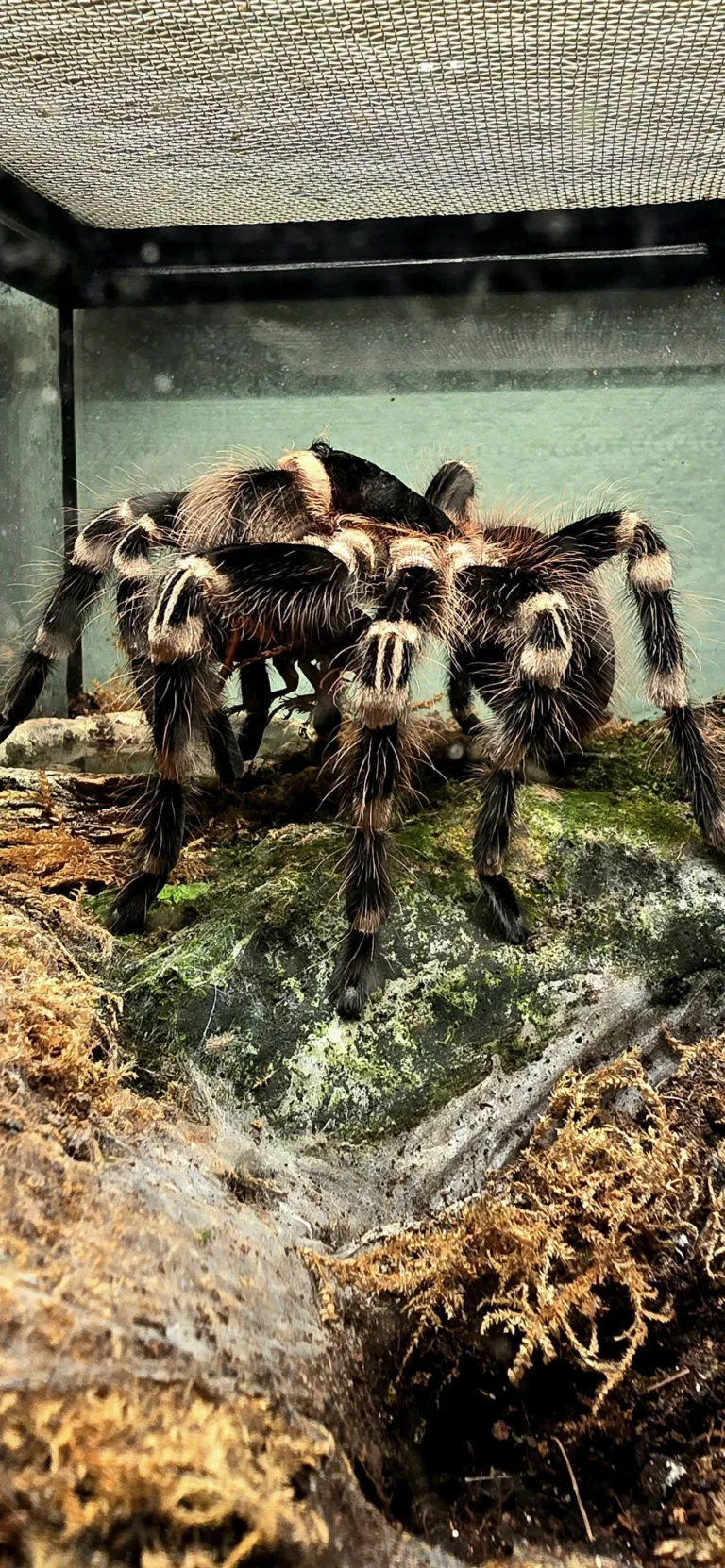
This species is a true terrestrial classic—think ‘jungle floor, but make it glamourous’. In captivity, A. geniculata prefers to stick to the ground, using any hides or décor you provide for shelter. While not a master burrower, they will sometimes rearrange their substrate or dig shallow scrapes under hides. Expect to see them out and about, especially when food is on offer. They don’t climb much, so vertical space isn’t their priority; instead, they love a good stretch across the substrate, showing off those stripy knees that make them such a showstopper.
Lifespan
Females of this species are in it for the long haul, regularly reaching up to 15 years in captivity, and occasionally beyond with attentive care. Males, like in many tarantula species, draw the short straw in the lifespan lottery, typically living only 3–4 years, often passing away shortly after their ultimate moult. Investing in a female means years of companionship (and impressive size!), whilst males have a shorter, more dramatic journey to adulthood.
Growth Rate
A. geniculata is known for a reasonably quick growth rate, especially compared to its more sluggish tarantula cousins. With consistent warmth, humidity and regular feeding (but not overfeeding—nobody likes a spider on a crash diet), slings can shoot up to impressive sizes in just a few years. Growth slows as they reach maturity, with males often maturing faster than females. Give them a bit of patience and a bug or two, and you’ll have a gentle giant before you know it.
Temperament
Acanthoscurria geniculata combines beauty with… a bit of attitude! While not lightning-fast or prone to chasing you round the room, they’re known for their boldness, especially at feeding time—they’ll pounce first and ask questions later. Some individuals are remarkably chill, but others can be a bit twitchy and will readily flick hairs if annoyed. They're generally straightforward to work with as long as you respect their boundaries and don’t poke about too much. Not a cuddle-bug, but far from a nightmare.
Temperature
The sweet spot for A. geniculata is a toasty 22–26°C, pretty much what you’d expect for a spider that treats the Amazon like its back garden. Temperatures can occasionally dip to 20°C or climb to 27°C without major issue, but prolonged extremes are best avoided. In the UK, a heat mat on the side (never the bottom!) with a thermostat can help during chillier months, but let ambient room temperature do most of the work. A digital thermometer is your friend, so you can keep tabs on those rainforest vibes. Drastic fluctuations aren’t their cup of tea—consistency is key for happy, moulty tarantulas.
Humidity
Humidity for the Brazilian giant should sit comfortably at 65–75%—think humid jungles rather than British summer drizzle. To manage this, keep part of the substrate slightly moist but never soggy, and allow another area to dry out to offer options. A large water dish is a must, both for drinking (yes, they do!) and as a humidity buffer. Good cross-ventilation is vital; too stuffy, and you’ll invite mould or mites, but too drafty, and your spider will get the chills. Mist sparingly—overzealous keepers risk a swamp rather than a spider.
Visibility
This is one of the hobby’s classic ‘display tarantulas’. A. geniculata is out in the open more often than not, particularly at night but also during the day, especially if they suspect food might be on the way. They’re rarely shy past their sling stage, making them a real centrepiece for any collection. Expect to be regularly greeted by those iconic stripy knees pressed up against the glass, waiting for dinner or a bit of attention (or so we like to believe).
Webbing
Their webbing is ‘functional minimalist’. They’ll lay down a modest carpet of silk around their hide and feeding zone, mostly to keep track of insect intruders and make their turf feel homey. Don’t expect dramatic curtains or tunnels—this isn’t a GBB beauty parlour. However, you might spot patchwork silk being deployed post moult or after a big meal, and curious hobbyists enjoy watching how methodically they decorate their territory.
Feeding
A. geniculata sports one of the most enthusiastic feeding responses in the tarantula world. Slings thrive on appropriately sized prey such as pre-killed pinhead crickets or mealworm segments, eating two or three times a week. Juveniles move up to larger crickets, locusts or roaches, feeding every 5–7 days, while adults typically take a hearty meal every week or so. Always size prey to the spider, and fish out uneaten morsels within 24 hours to prevent cheeky feeders nibbling your tarantula or stressing it out. Overfeeding can lead to overly plump abdomens (no fat shaming, but moulting complications are a risk!). Underfed individuals grow sluggishly—steady, regular meals and patience deliver the healthiest results. This species rarely turns down dinner, so expect lively hunting displays and the occasional overzealous ‘strike’ at feeding tongs.
Enclosure Recommendations
Opt for a medium to large terrestrial enclosure with ample floor space—something around 45 x 30 x 25 cm is perfect for a chunky adult. Depth of substrate (coco fibre is ideal) should be 7–10 cm to permit a bit of digging or tunnelling beneath décor. Add a sturdy hide that can actually fit the spider once full-grown—think half a coconut or a cork bark slab. Place a generous water dish on the surface for hydration and humidity balance. Cross-ventilation is vital to stave off stuffiness, but avoid overly breezy setups. Décor can include fake plants and leaf litter for that authentic Amazonian vibe, but avoid sharp edges or overly tall items (they won’t be climbing that gym kit). Regular spot cleaning, water refreshment, and checking for moults are your main chores.
Experience Level
A. geniculata is brilliant for the step-up keeper—beginner-ready with just a dash of spice. Their bold feeding response and hardy constitution mean you won’t be fussing over every little husbandry detail, but their size and occasional hair-flicking mean a new keeper should be ready for a spider that knows its own mind. Respect the species and you’ll soon gain confidence, but don’t expect a tarantula that wants to be pampered!
Final Thoughts
Acanthoscurria geniculata is a striking centrepiece for any collection—robust, relatively unfussy, lightning quick at dinner, and absolutely jaw-dropping when they’re chilling at the front of the enclosure. Their personality is engaging without being terrifying, and their husbandry is forgiving as long as the basics are covered. The only caution is their size (not for the absolute spiderphobe!) and enthusiastic use of urticating hairs—open the lid with respect and a steady hand. If you’re after a tarantula you’ll see more than your own kids and that offers a taste of the exotic rainforest at home, the Brazilian Whiteknee won’t disappoint.
Gallery
Community Species Gallery
Approved photos submitted by registered Spoodoire users.
Submit Your Photo
Log in to submit a photo for this species.
Available at The Spoodoire
Products linked to this species care guide.