

Breeding Notes
Nhandu coloratovillosus
Brazilian black and white tarantula
Also known as: Brazilian black-and-white, white-striped birdeater
Species-specific breeding guidance, seasonal context and practical caveats for experienced keepers.
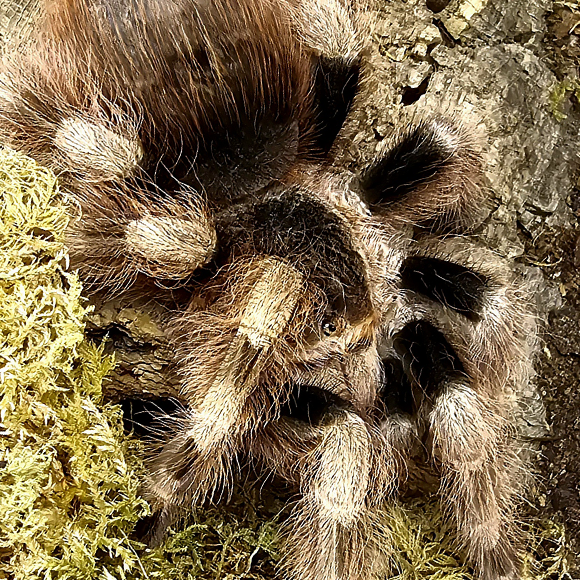
Species breeding reference
Breeding Notes
Nhandu coloratovillosus isn’t the trickiest of South American terrestrials to breed, but it isn’t a walk in the park either. Success tends to follow careful timing, solid conditioning, and low-stress pairing setups. Key points are mimicking the shift from wet to dry season, ample feeding for females, and providing lots of cover. Expect clutch and development timings to be a bit variable, as data is less complete than for some other common Nhandus. With patience and care, though, it’s certainly achievable for those with a few breedings under their belt.
Wild Breeding Season
Breeding activity in the wild likely follows the seasonal rains, with mating probably ramping up near the end of the wet season and young emerging as the weather shifts drier. This usually ties in with warmer months, but precise month ranges for this species are not nailed down.
Wild Environmental Triggers
Seasonal rains and the boost in humidity signal the start of breeding. Once the wet season winds down and food is plentiful, these triggers prompt the spiders to seek out mates and females to prepare for eggsac production. Drier, more settled periods often follow successful pairings.
Native Climate Context
Native to Brazilian grasslands with a marked wet and dry season, this tarantula is accustomed to warm temperatures year-round (mostly 24–26°C), high humidity during the rains, and drier air with slightly reduced humidity in the dry season. Enclosed conditions should nod to these natural swings.
Captive Breeding Window
Pairings seem most successful when staged after a simulated wet season—up the humidity and perhaps offer extra feeds for a month or two, then gradually let things dry out to mirror the natural climate as you put the pair together. There’s no rigid calendar, but spring to early summer often matches their instincts best in a typical UK setup.
Pre-pairing Conditioning
Build up the female with steady feeds and a gentle bump in humidity (but never boggy). Wait until she's plump and freshly moulted, then let her settle for at least a month post-moult before introducing a male. A slight increase to enclosure moisture helps set the scene, but keep up with good ventilation.
Male Introduction Guidance
Introduce the male in the evening, ideally after a few days in close proximity enclosures so the pair can pick up on each other's presence. Have dividers or soft barriers ready in case the female gets overly defensive—Nhandus aren’t quite as forgiving as some, so never take your eye off them during intros. A well-fed, calm female is less likely to treat the male as a snack.
Female Readiness Signs
A female that’s plump, has recently moulted, and is actively leaving webbing often signals she’s ready. She may become more visible and less reclusive in the weeks leading up to mating attempts. Always wait for a solid period post-moult to avoid risks.
Post-pairing Conditions
After pairing, keep conditions steady—don’t let it dry out entirely, but do dial back humidity a tad from pairing peak. Provide plenty of cover and mark the enclosure for minimal disturbance. Resist the urge to peek; females can be jumpy and sensitive to vibrations at this stage.
Sac Timeline
Eggsacs are typically produced within 4–8 weeks of a successful pairing, with spiderlings often emerging about 6–8 weeks after the sac is laid. However, this can vary and is not as precisely documented as for some genus mates.
Incubation Notes
Leave the eggsac with the female unless she seems stressed or at risk of eating it. If you must pull the sac, keep it in gentle, steady warmth (around 25°C) with lightly humid air but not excessive damp. Good airflow is crucial—mould is the enemy.
Expected Sling Count
Results do vary quite a lot, but clutches of 100–500 spiderlings have been reported. Brood size can depend on the female’s age, health, and just a bit of random luck.
Risks and Cautions
Females can be rather protective of their eggsacs, sometimes eating them for reasons unknown—stress, too much disturbance, or not enough privacy. Males may not always survive introductions and are occasionally dispatched if the female isn’t receptive. Humidity swings or stale air invite mould and failed sacs, so stay on top of enclosure maintenance. If in doubt, err on the side of caution with every step of the process.
Evidence confidence: Medium