

Harpactira cafreriana
Price range: £30.00 through £200.00
Doesn’t mind an audience—until you move furniture, then it vanishes with Olympic speed. Spends the rest of its time auditioning silk curtains and giving you the side-eye.
Tell me when it is available
Species: Harpactira cafreriana
Origin: Eastern Cape, South Africa
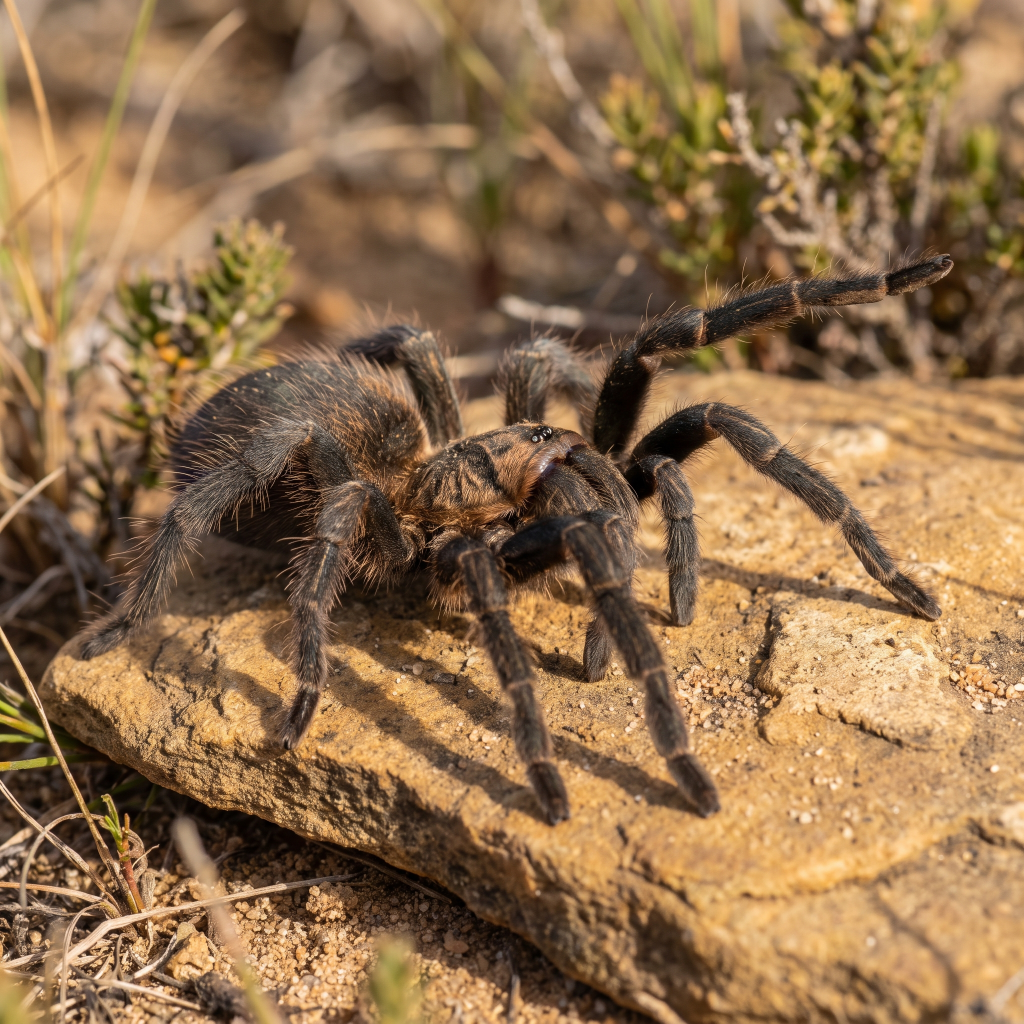
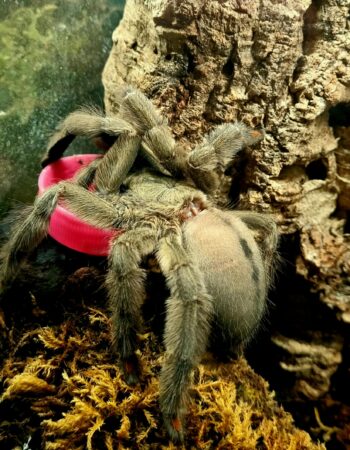
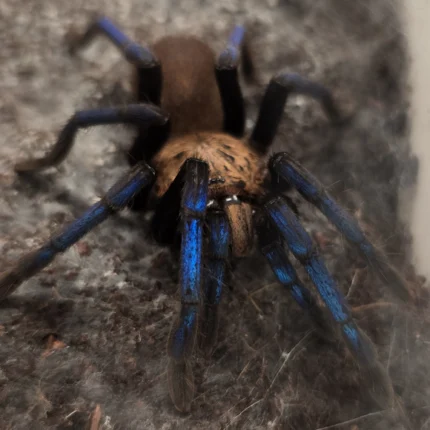
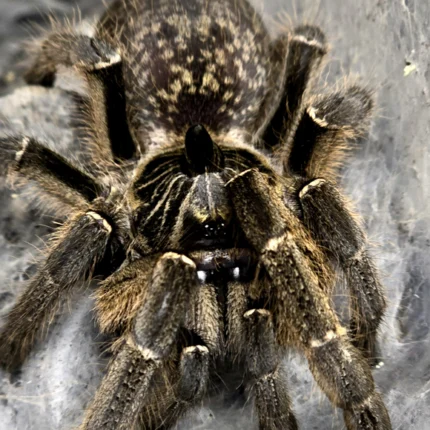
Ask any seasoned keeper and they’ll tell you: Harpactira cafreriana is a classic case of ‘looks more fearsome than it behaves’. Hailing from dry South African grasslands, these medium-sized, blue-kneed terrestrials have adapted to unpredictable climates and patchy rainfall—so they’re unlikely to throw a wobbly if your British invert room dips a few degrees.
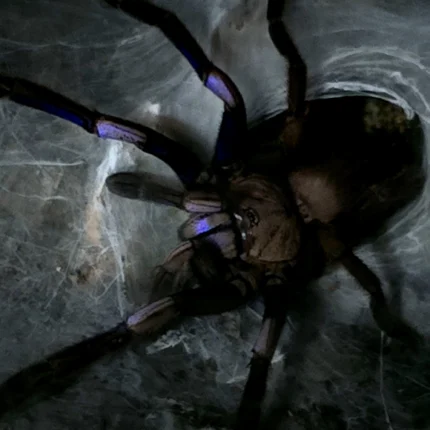
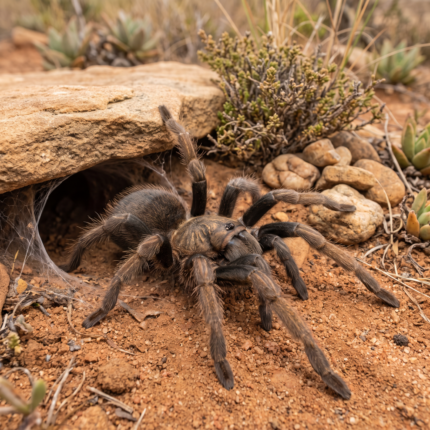
Offer deep, slightly damp substrate and you’ll be treated to a decent display of their enthusiastic burrowing, complete with tastefully woven silk curtains and furniture rearrangement worthy of an ambitious home makeover show. Adults will often lurk at the burrow entrance to approve (or disapprove) of your décor, while slings are more prone to vanishing acts until mealtime. They’re not the world’s most outgoing spiders, but you’ll enjoy regular sightings, especially in the evening when they emerge to plot a cricket heist.
Care-wise, they’re relatively forgiving: a climate range of 21–25°C with dips at night, moderate humidity (50–65%), and a robustly ventilated setup will see them right. While not exactly a cuddle enthusiast, their temperament is on the saner end of the African spectrum—content to bolt rather than posture, and only inclined to bite if you test your luck (not recommended). Urticating hairs are refreshingly absent, so your forearms are safe from unexpected itching.
This species isn’t especially tricky, but a tad of patience (and a respect for their speed) helps. Keep feeding sensible and enclosure design practical—with ample substrate, a slab of cork and a water dish, they’ll settle in without protest. They’re a sensible next step for keepers wanting to graduate from New World plodders without going straight for the Olympic sprinters. All told, if you like your tarantulas glossy, observant, and quietly opinionated, H. cafreriana keeps things properly interesting.
Only logged in customers who have purchased this product may leave a review.
Species breeding reference
Breeding Notes
Breeding Harpactira cafreriana is a challenging prospect best reserved for experienced keepers. There's a shortage of solid breeding reports, so much of the process is inferred from their climate and related species. Try to replicate seasonal shifts—slightly drier then modestly wetter—around a steady warm temperature and only attempt if both spiders are robust and well-fed. Expect variable results, show patience, and treat this as an experiment rather than a sure thing.
Breeding information for this species is a bit thin on the ground, so this guidance is based on the best available reports, native climate clues, and sensible keeper caution.
Wild Breeding Season
Wild breeding activity for Harpactira cafreriana seems to cluster around the warmer, wetter part of the year in their native Eastern Cape region, so think late spring into early autumn locally. Precise months aren't firmly documented, but expect mating activity to pick up after rains and as temperatures rise.
Wild Environmental Triggers
Burrowing triggers in the wild include short spikes of rainfall after dry spells, a bump in ambient humidity, and consistently warm days. These factors act as cues for most baboon spiders in the region to search for mates and prepare for breeding.
Native Climate Context
The Eastern Cape’s climate bounces between arid and semi-arid, with rainfall mostly scattered during late spring and summer. Temperatures are warm by day, mild at night, and the ground dries quickly after each rain. These cues support the seasonal rhythms of most South African baboons, including H. cafreriana.
Captive Breeding Window
For captive breeding attempts, aim to pair just after increasing temperatures and a light misting over a few weeks to simulate early spring rains, roughly aligning with late March through early June in the UK. This mimics the onset of the native breeding season without pinning it to a particular calendar date.
Pre-pairing Conditioning
Offer both spiders good feeding in the month before pairing, and mimic seasonal shifts by letting things dry out slightly then adding a gentle humidity bump with light misting. Avoid overwatering, but offer an occasional prey boost to ensure both are in breeding condition.
Male Introduction Guidance
Introduce the male to the female’s enclosure in the evening, keeping things calm and dark. Use a barrier or safe method to withdraw the male if tension rises. Have long tongs and a catch cup ready, as both spiders are likely to be defensive and skittish. Watch for courtship drumming and be patient—the female may take a while to respond.
Female Readiness Signs
A receptive female will often linger near the mouth of her burrow, rarely showing defensive postures or attempting to retreat. Some may drum or flick substrate. If she remains deeply hidden or highly defensive, she’s likely not ready.
Post-pairing Conditions
Once pairing has occurred, keep disturbances to a minimum. Continue gentle misting for another week or two, then slowly return conditions to the usual drier setup. Remove any uneaten prey items and check the female’s behaviour—she may seal herself away when preparing to lay.
Sac Timeline
There is no firm data on the exact sac timeline for this species, but based on close relatives, an eggsac could appear anywhere from 6 to 12 weeks post-mating. Keep an eye out for webbing activity and periods when the female vanishes for days on end.
Incubation Notes
Maintain modest humidity (not wet!) and stable warm temperatures while the eggsac is present. Resist the urge to intervene or peek if the female seals herself in—disturbances can result in a lost sac. If you must pull the sac for artificial incubation, aim to do so after at least 35 days, but be guided by the female’s behaviour and visible changes.
Expected Sling Count
Reports from closely related Harpactira species suggest sling numbers usually fall in the low hundreds, but specific counts for H. cafreriana are lacking. Be prepared for anything from 50 upwards; don’t expect the vast silk balloons seen in true baboon giants.
Risks and Cautions
Pairings carry notable risk of aggression or cannibalism, especially if either spider is underfed or kept too dry. Support the female with occasional pre-breeding meals, and always use extreme care during introductions. Reliable breeding reports are thin, so proceed with caution and be ready to adapt your approach.
Evidence confidence: Low
UK Market Insight
Neutral UK availability and pricing context for this exact Species record.
Species care guide
Harpactira cafreriana
Adult Size
8–11 cm diagonal leg span
Temperature
21–25°C
Humidity
50–65% RH
Temperament
Harpactira cafreriana has a reputation for being one of the calmer African terrestrials. Most individuals are content to stay put, giving you the look of disdain only a tarantula can muster if disturbed. However, don’t get cocky—unexpected movements or redecoration attempts may be met with a hasty dash into their burrow. They’re not generally defensive but can be speedy if properly provoked. Admire their swagger from the glass; they’ll appreciate it as much as you.
Defence
When feeling threatened, H. cafreriana prefers the time-honoured tactic of legging it to safety down its burrow (the tarantula equivalent of ducking behind the sofa when relatives visit). Biting is rarely their first response, and they don’t possess urticating hairs like some New Worlds—so no itchy skin from these chaps! Give them a wide berth during maintenance, and you’ll both remain in each other’s good books.
Visibility
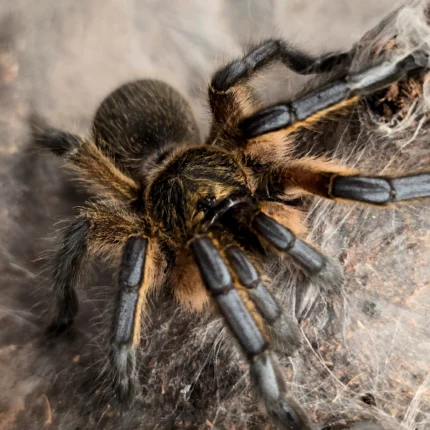
Notorious interior decorators, H. cafreriana spends plenty of time peeking out of their burrow, even during the day, giving you ample chances to show off their stunning blue highlights. They’re not quite 'pet rock' level invisible, nor are they out strutting all day long, but with patience and the right setup, you’ll enjoy regular sightings, especially after dusk. Watch for late-night activity—feeding time can turn the shyest individual into a bold hunter!
Experience Level
While this species is much more forgiving than some African cousins, it’s best described as suitable for intermediate keepers or patient, research-savvy beginners. They don’t demand anything extreme in husbandry, but their speed and defensiveness (albeit mild) mean a little experience goes a long way. If you’ve conquered a few New Worlds and fancy a step up—without leaping to a teleporting baboon spider—H. cafreriana makes for a logical next adventure.
Webbing
Despite being terrestrial, these spiders appreciate a good bit of webbing! They’ll seal the mouth of their burrows or fortify their chosen hiding spot with swathes of silk—great to witness and useful for keeping humidity pockets stable. Don’t expect hammock-level suspension, but their creative web curtains are lovely for observing natural behaviour. Be careful lifting hides or décor, as silk can be a subtle clue that someone’s home and not pleased about visitors.
Feeding
Start slings off with pre-killed or freshly moulted pinhead crickets, fruit flies or tiny roaches—offering food once or twice weekly. As they grow, bump up to small crickets, mealworms and dubia roach nymphs, every 7–10 days. Adults will relish a plump cricket or roach weekly, adjusting frequency if you see uneaten prey lingering (they hate leftovers). Avoid overfeeding—nobody wants an obese tarantula! H. cafreriana has an enthusiastic feeding response and often snatches prey with flair, but don’t panic if they fast pre-moult or ignore food now and again. Remove uneaten prey within 24 hours to prevent stress or injury, especially after moulting. A varied diet and restraint on portions keep them vibrant and healthy.
Enclosure Recommendations
Choose a well-ventilated plastic or glass enclosure; 30x30x30cm is more than enough for an adult. Provide 10–15cm of slightly moist (but never wet) substrate to enable robust burrowing—coco fibre or a mix with topsoil works a treat. A cork bark slab or half-log acts as a starter burrow, and leaf litter ups the naturalistic feel. Include a shallow water dish, and keep ventilation punchy with side or top vents. Avoid cluttering the enclosure with too many hides; these spiders like some open digging real estate. For slings, start in small containers with less depth but still allow for some burrowing. Lighting isn’t required (they’re more 'cosy den' than 'sunbathing at Brighton'), and always position the enclosure out of direct sunlight.
Final Thoughts
H. cafreriana is a delightful, eye-catching species with manageable care that rewards patience and observation. Their flashes of blue, quirky webbing and amusing burrow antics will charm even seasoned keepers. They strike a lovely balance—more visible than some African terrestrials, yet not so reclusive you’ll forget you have them. The key challenges: avoid overwatering and anticipate bursts of speed. You’ll be treated to regular peeks as they watch you, leaving you wondering who’s keeping who. If you’re after a ground-dweller with enough personality to keep things interesting and enough resilience to forgive a few beginner mistakes, the Blue Foot Baboon might become your new favourite eight-legged flatmate.
Species-specific guidance
Frequently Asked Questions
Is Harpactira cafreriana suitable for beginners?
While not as demanding as some African tarantulas, Harpactira cafreriana is best suited to intermediate keepers or beginners who've done their research and gained experience with more forgiving species. Its speed and mild defensiveness make it manageable, but a bit of spider expertise helps.
What is the temperament of Harpactira cafreriana like?
Harpactira cafreriana is one of the calmer African terrestrials, often content to sit at its burrow entrance or dash to safety rather than display aggression. Biting is rare and they're more likely to retreat than defend. Still, they can move quickly if startled, so respect their space.
How big does an adult Harpactira cafreriana get?
Adult Harpactira cafreriana usually reach a leg span of 8–11cm. Females often grow a bit larger and chunkier than males, showing off subtle blue hues on their legs. Males are a tad leggier and more slender, but both have that classic medium-size appeal.
How fast does Harpactira cafreriana grow?
Harpactira cafreriana grows at a steady rate—faster than very slow species, but not rapid. Slings can take a couple of years to reach juvenile size, though regular feeding and slightly warmer temps can encourage spurts of growth after moulting. Patience is rewarded with healthy, vibrant adults.
What enclosure setup is best for Harpactira cafreriana?
Opt for a ventilated plastic or glass enclosure, around 30x30x30cm for adults. Provide 10–15cm of slightly moist substrate, like coco fibre or a topsoil mix, for burrowing. A cork slab or half-log as a starter hide, some leaf litter, and a shallow water dish complete the setup. Avoid excessive décor to keep digging space open.
Does Harpactira cafreriana like to burrow or web?
Despite being a terrestrial species, Harpactira cafreriana is an enthusiastic burrower given the right substrate and also enjoys webbing over burrow entrances. They regularly engage in interior design with silk curtains and soil rearrangements—great to observe and useful for stabilising humidity around their retreats.
How visible is Harpactira cafreriana in a typical enclosure?
Harpactira cafreriana is not the most reclusive among African terrestrials and is often seen peeking out at the entrance of its burrow, especially at dusk or feeding times. While some hiding is natural, patient keepers are rewarded with regular sightings and active behaviour, particularly during the evening.
How should I feed Harpactira cafreriana?
Slings do well with pre-killed pinhead crickets, fruit flies or tiny roaches, offered once or twice a week. As they grow, feed small crickets, mealworms, or roach nymphs every 7–10 days. Adults handle a weekly medium cricket or roach. Remove uneaten prey after 24 hours, and don’t overfeed—these spiders appreciate moderation.


Reviews
There are no reviews yet.