

Breeding Notes
Harpactira cafreriana
Species-specific breeding guidance, seasonal context and practical caveats for experienced keepers.
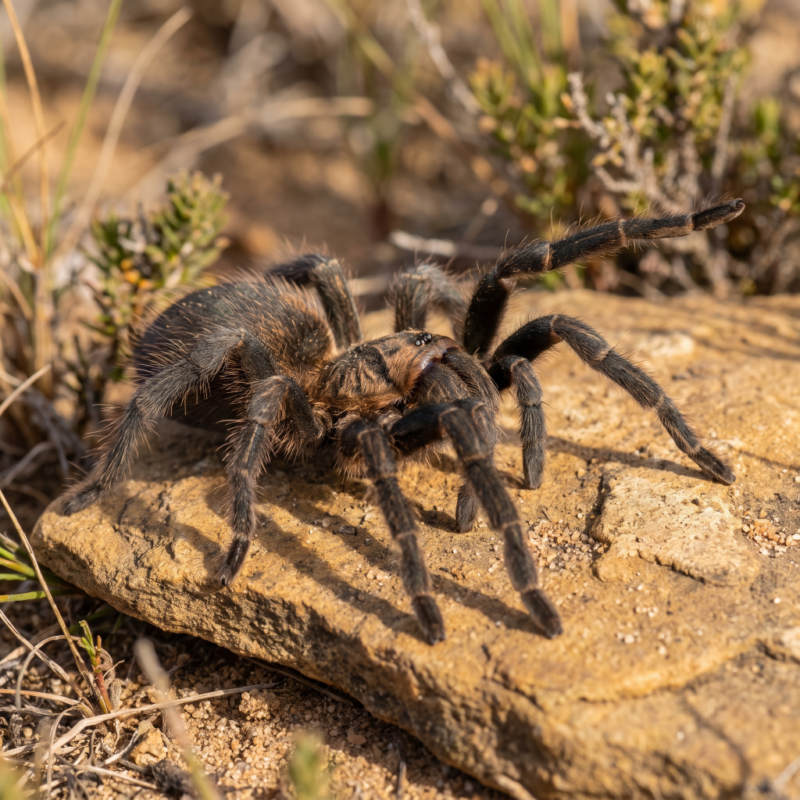
Species breeding reference
Breeding Notes
Breeding Harpactira cafreriana is a challenging prospect best reserved for experienced keepers. There's a shortage of solid breeding reports, so much of the process is inferred from their climate and related species. Try to replicate seasonal shifts—slightly drier then modestly wetter—around a steady warm temperature and only attempt if both spiders are robust and well-fed. Expect variable results, show patience, and treat this as an experiment rather than a sure thing.
Breeding information for this species is a bit thin on the ground, so this guidance is based on the best available reports, native climate clues, and sensible keeper caution.
Wild Breeding Season
Wild breeding activity for Harpactira cafreriana seems to cluster around the warmer, wetter part of the year in their native Eastern Cape region, so think late spring into early autumn locally. Precise months aren't firmly documented, but expect mating activity to pick up after rains and as temperatures rise.
Wild Environmental Triggers
Burrowing triggers in the wild include short spikes of rainfall after dry spells, a bump in ambient humidity, and consistently warm days. These factors act as cues for most baboon spiders in the region to search for mates and prepare for breeding.
Native Climate Context
The Eastern Cape’s climate bounces between arid and semi-arid, with rainfall mostly scattered during late spring and summer. Temperatures are warm by day, mild at night, and the ground dries quickly after each rain. These cues support the seasonal rhythms of most South African baboons, including H. cafreriana.
Captive Breeding Window
For captive breeding attempts, aim to pair just after increasing temperatures and a light misting over a few weeks to simulate early spring rains, roughly aligning with late March through early June in the UK. This mimics the onset of the native breeding season without pinning it to a particular calendar date.
Pre-pairing Conditioning
Offer both spiders good feeding in the month before pairing, and mimic seasonal shifts by letting things dry out slightly then adding a gentle humidity bump with light misting. Avoid overwatering, but offer an occasional prey boost to ensure both are in breeding condition.
Male Introduction Guidance
Introduce the male to the female’s enclosure in the evening, keeping things calm and dark. Use a barrier or safe method to withdraw the male if tension rises. Have long tongs and a catch cup ready, as both spiders are likely to be defensive and skittish. Watch for courtship drumming and be patient—the female may take a while to respond.
Female Readiness Signs
A receptive female will often linger near the mouth of her burrow, rarely showing defensive postures or attempting to retreat. Some may drum or flick substrate. If she remains deeply hidden or highly defensive, she’s likely not ready.
Post-pairing Conditions
Once pairing has occurred, keep disturbances to a minimum. Continue gentle misting for another week or two, then slowly return conditions to the usual drier setup. Remove any uneaten prey items and check the female’s behaviour—she may seal herself away when preparing to lay.
Sac Timeline
There is no firm data on the exact sac timeline for this species, but based on close relatives, an eggsac could appear anywhere from 6 to 12 weeks post-mating. Keep an eye out for webbing activity and periods when the female vanishes for days on end.
Incubation Notes
Maintain modest humidity (not wet!) and stable warm temperatures while the eggsac is present. Resist the urge to intervene or peek if the female seals herself in—disturbances can result in a lost sac. If you must pull the sac for artificial incubation, aim to do so after at least 35 days, but be guided by the female’s behaviour and visible changes.
Expected Sling Count
Reports from closely related Harpactira species suggest sling numbers usually fall in the low hundreds, but specific counts for H. cafreriana are lacking. Be prepared for anything from 50 upwards; don’t expect the vast silk balloons seen in true baboon giants.
Risks and Cautions
Pairings carry notable risk of aggression or cannibalism, especially if either spider is underfed or kept too dry. Support the female with occasional pre-breeding meals, and always use extreme care during introductions. Reliable breeding reports are thin, so proceed with caution and be ready to adapt your approach.
Evidence confidence: Low