

Origin
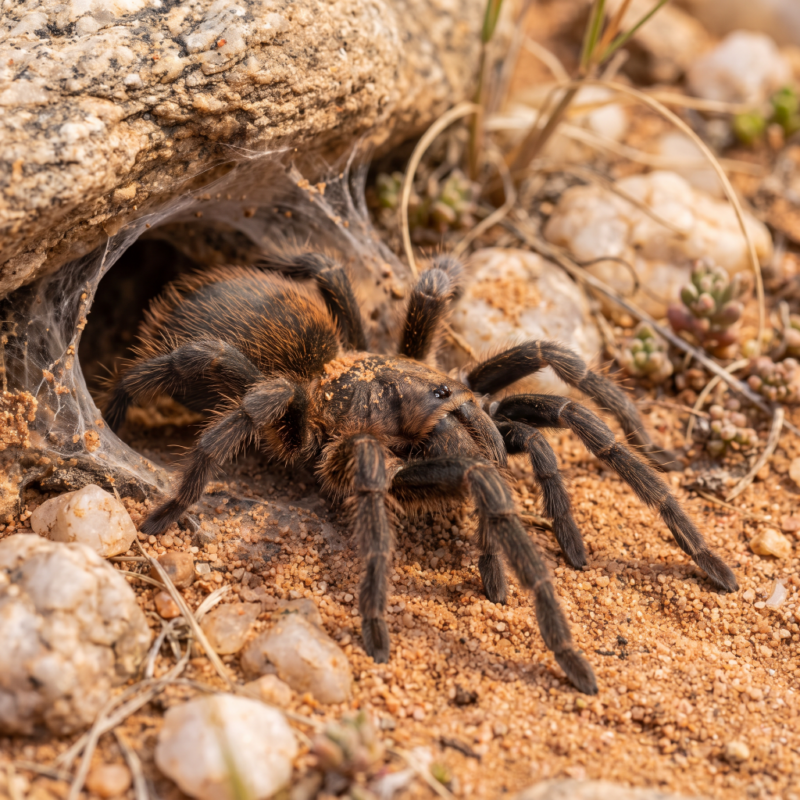
Harpactira namaquensis hails from the arid regions of southern Namibia and north-western South Africa, particularly the Namaqualand region famed for its wildflower displays (and hardy wildlife). Here, these tarantulas cope with hot days, chilly nights and very little rainfall by embracing a fossorial lifestyle, burrowing deep into the sandy or rocky soil for protection. The climate ranges from warm to downright hot at times, with significant seasonal and daily temperature swings—an environment that’s anything but bland. This species is well adapted to dry conditions, so if you like your spiders resilient and rugged, the Namaqua baboon’s homeland certainly fits the bill.
Adult Size
When fully grown, Harpactira namaquensis generally reaches around 10–12 cm in diagonal leg span. Females are usually chunkier and longer-lived than the svelter, short-lived males, who mature earlier and often sport leggier proportions. As with many tarantulas, size at maturity can vary depending on individual genetics and environmental factors, but most keepers can expect a respectably medium-sized spider—impressive without needing to buy an entirely new shelf for it.
Lifestyle
This is a terrestrial, burrow-dwelling species with a hobbit-like fondness for deep, cosy retreats. In captivity, H. namaquensis will dig enthusiastically if given enough substrate—often disappearing for a remodel, only to reappear looking smug after a good dig. While not strictly fossorial their whole lives, adults especially appreciate a hide and the option to burrow. You’ll see them patrolling their lair entrances, especially at night, but don’t expect them to be loungers—they'd much rather keep things low-key and subterranean.
Lifespan
Females are the marathon runners of the species, frequently living 10–15 years in captivity with good care. Males, on the other hand, tend to burn brightly and briefly—usually only hanging around for 3–5 years, with most of that spent trying to track down a mate. Proper husbandry goes a long way towards seeing your spider thrive for the long haul, so think of those years as the start of a (mostly) silent but enduring friendship.
Growth Rate
Harpactira namaquensis is generally considered to have a medium growth rate. Spiderlings will take their time in the early stages, but given regular, appropriate feeding and warm temperatures, growth spurts can be surprisingly brisk. Like all tarantulas, growth rates can vary wildly between individuals—some slings will seem to power-level themselves, while others stubbornly remain snack-sized for months. Patience is always key.
Temperament
Harpactira namaquensis has a reputation for being reasonably chill as far as old worlds go. Most individuals are nervous rather than aggressive; their default threat response is to vanish down a burrow at the speed of light. While not the tarantula you’ll want to cuddle, they aren’t especially defensive if left unprovoked—though do expect a feisty slap or two if you poke about their den. Nimble and quick, so always use caution during maintenance, particularly with slings or reclusive individuals.
Temperature
Aim for a daytime range of 22–26°C, with a gentle cooling at night (as low as 18°C won’t hurt). These spiders are hardy, but keeping them within the 21–27°C bracket ensures steady growth and normal behaviour. Nighttime drops are welcome, reflecting their wild habitat. A small heat mat attached to the side of the enclosure (never underneath!) can help during winter, but exercise caution—tarantulas dislike overheating and will move away from warm spots if possible. Always monitor temperatures with a reliable thermometer, and remember: if your room is T-shirt comfy, your Namaqua baboon will likely be fine, too.
Humidity
Target moderate humidity—around 50–60% RH. Overly damp substrate is a no-no; these spiders despise soggy feet almost as much as Brits dislike rain on a bank holiday. A well-ventilated enclosure with mostly dry substrate (but a small moist corner for youngsters or recent moults) strikes the perfect balance. Always provide a clean water dish, even if you rarely see them drinking—hydration is key. Avoid misting more than the odd light spritz for slings. Good airflow prevents stuffiness and keeps mould away.
Visibility
As a digger, H. namaquensis is sometimes more rumour than resident—especially as a juvenile. Expect long periods where all you see is the occasional rearranged dirt pile. Adults are bolder, often hanging near their burrow entrance in the evenings or at night. Patient keepers are rewarded by glimpses of fascinating behaviour, especially feeding time or post-moult stretches. Their subtle beauty and mysterious presence are half the fun—you never know when you’ll catch them out and about.
Webbing
These aren’t the tarantula world’s greatest knitters—but you’ll find some fine, silken decorations, especially lining the entrance of burrows or hiding spots. Webbing serves as a tripwire, helping them sense what’s lurking outside. Don’t expect elaborate tunnels or canopy hammocks, but they do put on a satisfying show when expanding their lair. Little wisps and carpets of silk will reveal where the action is happening, even if you don’t spot the spider itself.
Feeding
Spiderlings will take on pre-killed or tiny live prey—think pinhead crickets or flightless fruit flies, offered 1–2 times a week. Juveniles and adults relish crickets, roaches, mealworms, and the odd locust, fed once every 7–10 days. Adjust frequency after moults or for fast growers. Their feeding response is enthusiastic but rarely reckless (no crocodile rolls here!), and they may skip meals before a moult. Remove uneaten prey after 24 hours to avoid moult mishaps and don’t overfeed—this species can get a bit chunky if you’re too generous. Always provide water, even if actual drinking is rarely witnessed—and remember, a plump abdomen is normal, but the Michelin tarantula look is to be avoided.
Enclosure Recommendations
A terrestrial setup that accommodates their love for digging is essential. For adults, a 30x30x30 cm enclosure works well. Provide at least 15 cm (the more, the merrier) of dry, compactable substrate such as coco fibre, peat or topsoil for burrowing. Add a secure hide if they’re slow to dig. Ventilation is a must, so look for enclosures with cross-ventilation holes. A shallow but sturdy water dish is non-negotiable. Keep décor simple—rocks and cork bark are perfect. Avoid sharp edges and anything that can roll. For slings, a deeper deli cup or small plastic box with pre-made starter burrows and breathable lid works wonders. Check that the enclosure is escape-proof—these spiders are strong for their size and not above staging a daring jailbreak.
Experience Level
While not the most defensive or heartbreakingly fast tarantula out there, Harpactira namaquensis is still an old world species and comes with all the usual caveats. We recommend them for intermediate keepers: those comfortable working around fast, non-urticating tarantulas and experienced with maintaining dry, well-ventilated enclosures. Beginners might find their speed and vanishing act daunting, but a patient novice who’s done their homework might manage just fine.
Final Thoughts
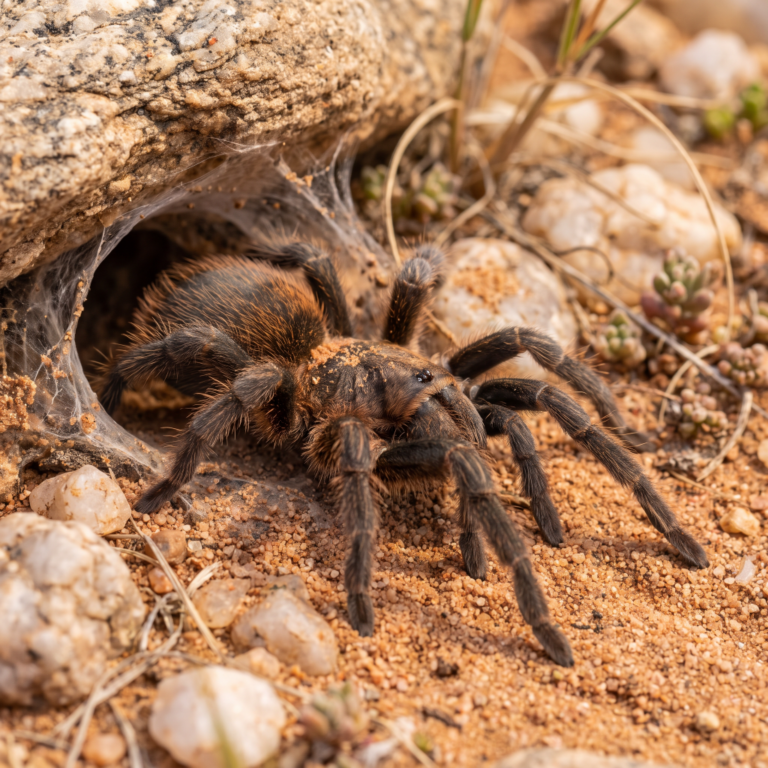
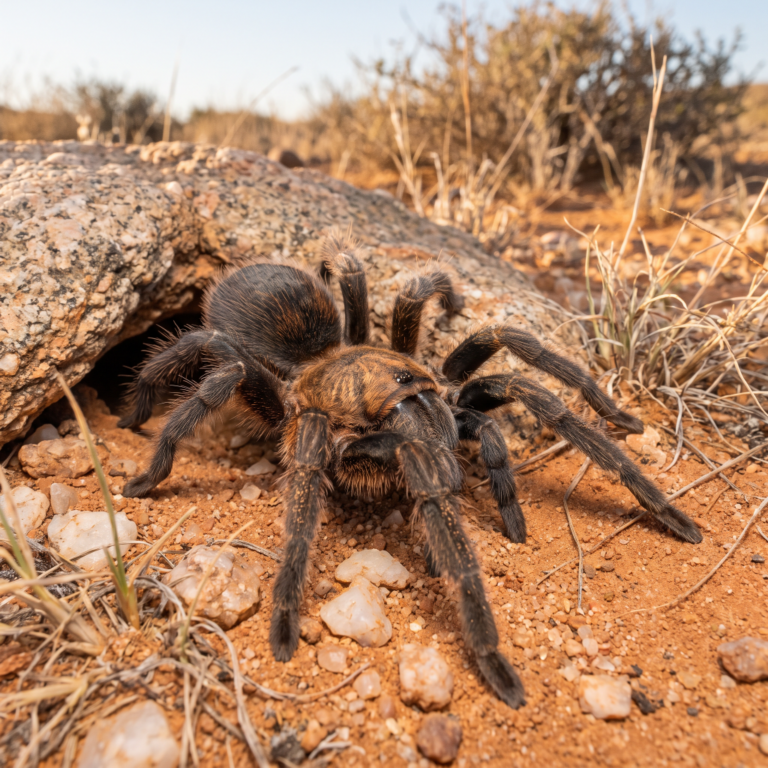
Harpactira namaquensis is an underrated gem, particularly if you enjoy the thrill of secretive, fossorial spiders with a touch of boldness. They thrive with simple but attentive care, rarely cause drama, and reward patient keepers with flashes of personality and the odd athletic feeding display. The main challenge is their tendency to vanish underground for stretches—so if you crave a permanent centrepiece, they may try your patience (and observation skills). Nevertheless, their resilience, moderate size, and beautiful appearance—think golden highlights and classic old world flair—make them a fabulous addition for intermediate hobbyists craving something both hardy and rewarding, with all the mysterious charm a tarantula can muster between naps.
Gallery
Community Species Gallery
Approved photos submitted by registered Spoodoire users.
No community images have been approved for this species yet.
Submit Your Photo
Log in to submit a photo for this species.
Available at The Spoodoire
Products linked to this species care guide.