

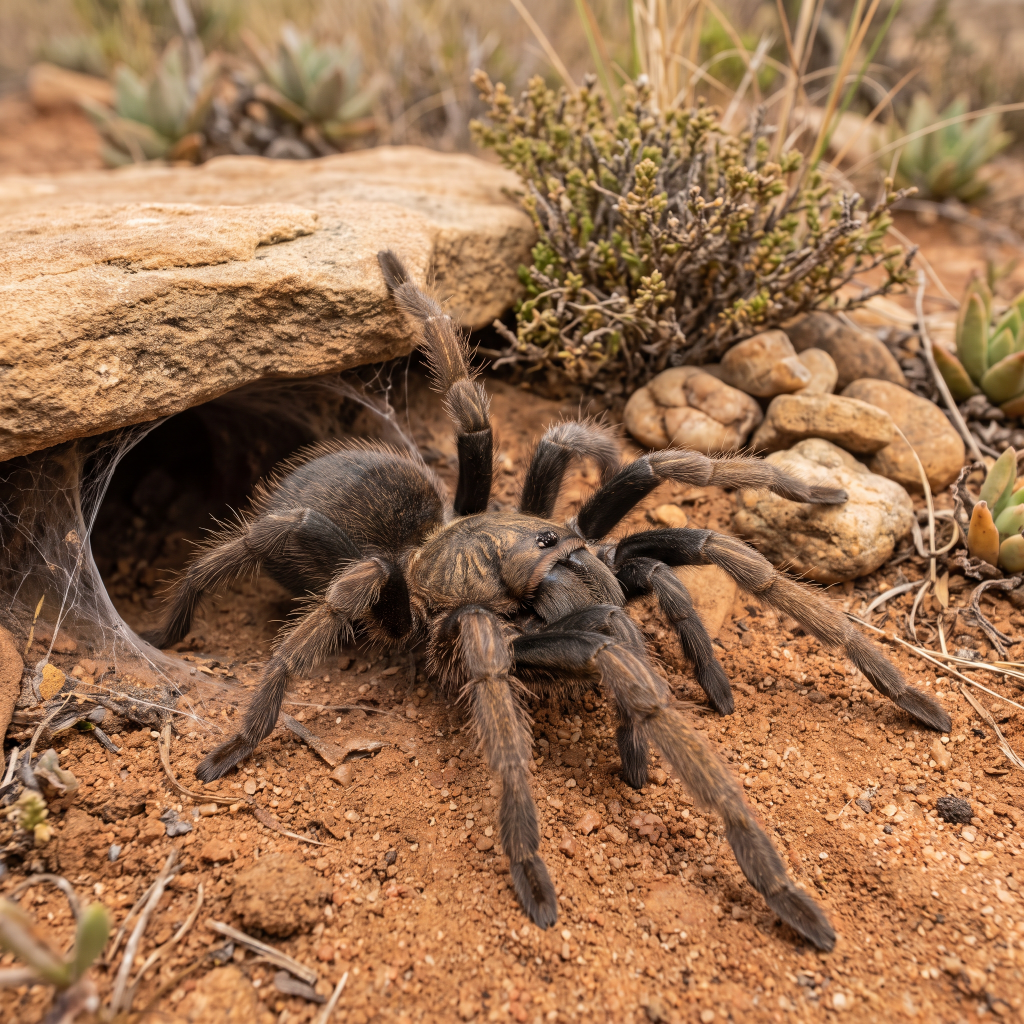

Harpactira marksi
Price range: £30.00 through £200.00
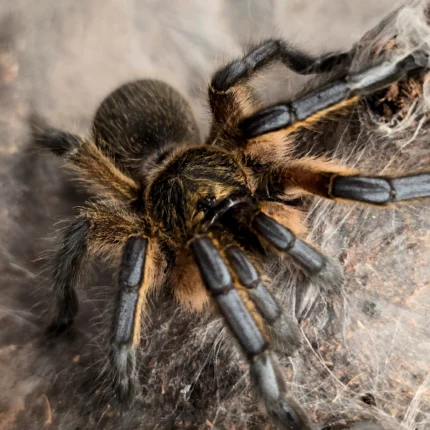
Prefers a civilised retreat under cork bark, only emerging to redecorate or when a cricket blunders by. Threat postures usually reserved for those who can’t take a hint.
Tell me when it is available
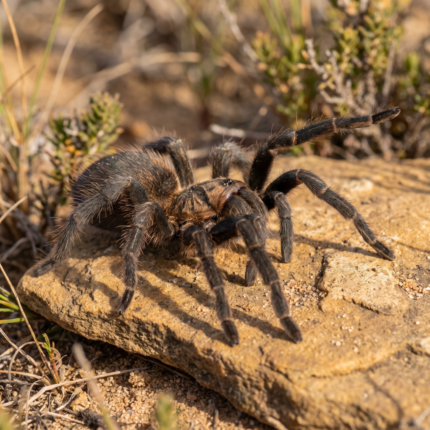
Harpactira marksi hails from South Africa’s Western Cape, where it squeezes itself between rocks and sun-baked logs, quietly making the most of the temperamental climate. Steadfastly terrestrial, this species will appreciate a decent layer of substrate with a hide (cork bark or an upturned plant pot works a treat) and is usually content rearranging its living room rather than redecorating the whole house.
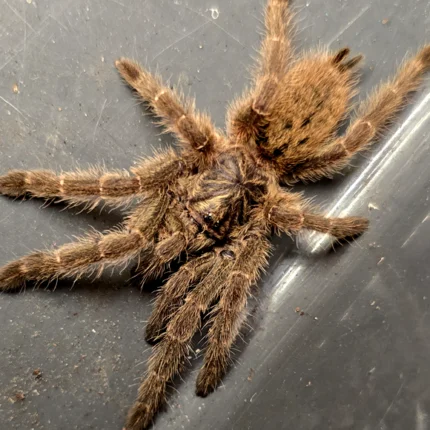
Adults reach a dapper 10–12 cm diagonal leg span, with females being the more solid citizens. Growth is neither glacial nor rapid—slings move along briskly but adults are in no rush to impress. Expect a lifespan that outlasts most houseplants: females can go 12–15 years, males typically bow out after three or four, post-maturity wanderings included.
This isn’t a flashy show-off. Most of the time you’ll see just a couple of legs sticking out from under the hide, unless dusk brings out a bit of boldness. Behaviour is mild-mannered but alert; they’d rather retreat than fuss, though they’ll remind you of their boundaries with the odd threat pose if pestered. They can shift when they want to, but they’re no speed demons. If you enjoy a spider that keeps you on your toes (and occasionally outsmarts you at rehoming), H. marksi will oblige.
Webbing is notably modest—think tasteful doilies rather than wall-to-wall carpets, but you’ll spot neat silk matting around their chosen hideaways. Feeding is straightforward: usual inverts fit the bill, with slings favouring pinheads and adults managing larger prey. Routine is key—less is more when it comes to portion size.
Keepers with a bit of experience will find H. marksi reliably manageable; not recommended as a first spider, but ideal as a subtle step up from the basics. Give them a stable enclosure with 22–25°C temperatures, humidity around 60%, a dryish substrate and decent ventilation, and they’ll make themselves quietly at home for years. You might not always see them, but that’s half the charm.
Only logged in customers who have purchased this product may leave a review.
Species breeding reference
Breeding Notes
Breeding H. marksi is definitely not a walk in the park, with genuine hands-on experience thin on the ground. Stick close to what works for their close South African cousins—timing introductions after the cooler, dry spell with a gentle increase in warmth and humidity sets the stage for success. If you’re trying your luck, do so with patience, caution, and more faith in your climate controls than in gospel breeding timelines.
Breeding information for this species is a bit thin on the ground, so this guidance is based on the best available reports, native climate clues, and sensible keeper caution.
Wild Breeding Season
There isn’t a firm calendar to hand for wild breeding, but given their Western Cape roots, H. marksi likely plans its romantic outings around the end of the dry season and start of the rainier weather—think late South African winter into early spring.
Wild Environmental Triggers
Slight boosts in humidity after the dry stretch, along with steadily rising temperatures, appear to nudge mature females into readiness. These gentle changes mimic that lovely fresh feeling when spring rain finally touches the dust.
Native Climate Context
Straight from the Western Cape’s warm, semi-arid scrublands, this species is used to a fair bit of sunshine, with cooler nights and a spot of rain now and then. Their patch of the world gets its main rainfall in winter, settling into drier, warmer summers.
Captive Breeding Window
Based on climate clues, your best bet for a pairing attempt is just after a slight increase in enclosure humidity and gentle bump in temperature, mimicking the late winter into spring shift (August to October UK time). Treat this as careful guidance, not a confirmed window.
Pre-pairing Conditioning
Both spiders should have full bellies and be given a few weeks of slightly increased humidity and a touch more warmth leading up to pairing. A well-fed, hydrated pair is far less likely to turn a date into a dinner.
Male Introduction Guidance
Introduce the male in the evening, after dark, when both spiders are calm and less likely to be startled by movement. Keep a close watch and have separation tools ready—females can be unpredictable with visitors. A few trial runs in adjacent enclosures to get them used to each other's scent can help if either is particularly shy.
Female Readiness Signs
Watch for a plumper, freshly moulted female hanging about near the entrance of her hide, especially if she’s webbing more than usual or being less fussy about who’s knocking at her door.
Post-pairing Conditions
Boost humidity just a touch, and keep feeding steady but not excessive. Let her rest in peace without too much fuss—now’s not the moment to be peeking inside or rearranging things.
Sac Timeline
There aren’t any definitive numbers for H. marksi, but for close relatives in the genus, sacks can appear anywhere from four to ten weeks after pairing, so patience is key.
Incubation Notes
Females take care of their sacs underground, and it’s best not to disturb unless absolutely necessary. If you must pull the sac—usually around four weeks after being laid—keep it at a steady 24°C with moderate humidity, matching typical room conditions for the species.
Expected Sling Count
Clutch sizes are not well documented for this tarantula—expect a moderate sac compared to giants or dwarf species. Most in the Harpactira clan throw out somewhere between 50–120 slings, but this is a rough ballpark for cautious planning.
Risks and Cautions
Females can be defensive, especially post-moult or if conditions aren’t quite right, so always be ready to separate. Cannibalism is a risk if spiders aren’t well fed or if the male overstays his welcome. Sexing can be tricky—double check before putting anyone at risk. As with many African terrestrials, sudden bolts are more likely than dramatic fights, so never drop your guard.
Evidence confidence: Low
UK Market Insight
Neutral UK availability and pricing context for this exact Species record.
Species care guide
Harpactira marksi
Adult Size
10–12 cm diagonal leg span
Temperature
22–25°C
Humidity
55–65% RH
Temperament
Harpactira marksi is generally calm and mild-mannered, but, like many South Africans, they’re not afraid to show a bit of spirit if properly provoked. Most of the time they’d rather scoot off into cover than throw a tantrum, but nervous individuals might throw up a ‘please don’t’ threat posture if you insist on poking about. Speed is respectable but nothing to rival the world’s sprinters. Treat them with patience and respect, and both of you will have an easier time.
Defence
While H. marksi does possess urticating hairs, it’s not known for flinging them about like some New World cousins. Its main defence is a quick dash for cover, with the occasional threat posture if it feels particularly cornered. It’ll only escalate if repeatedly annoyed—so best to avoid pestering your spider (you wouldn’t like it either). Gloves aren’t strictly necessary, but a soft brush for maintenance never hurts.
Visibility
You won’t need to stick up ‘Missing’ posters, but H. marksi isn’t exactly a spider supermodel loving the limelight. Expect them to make cameo appearances at dusk or if dinner’s on offer. Remove hide and you might catch a disgruntled glare, but don’t expect them to be front and centre 24/7. For those who enjoy a bit of intrigue and the joy of surprise sightings, they’re superb; just don’t take it personally if they’re a bit on the shy side.
Experience Level
This species is a great pick for hobbyists with at least a bit of experience—think ‘completed your first terrestrial’ rather than total beginner. Their needs are simple, but they’re fast and a tad skittish compared to absolute couch potatoes like Brachypelma. If you’ve raised slings or kept more basic terrestrials, the transition to H. marksi will be smooth. Not recommended as a first spider, but they make a rewarding next step.
Webbing
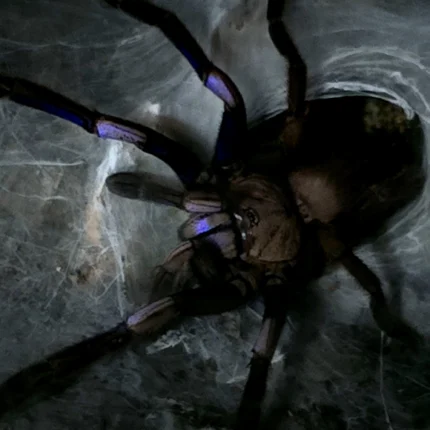
Harpactira marksi is a fan of subtle home décor, laying down sheets of silk across the substrate, hides, and entranceways. You won’t get thick, architectural masterpieces like a GBB, but they use webbing purposefully—often to line hides, anchor moulting mats, and mark turf. Some specimens web more extensively, and watching them ‘decorate’ is part of the charm. Webbing may increase after moults or major cage overhauls as they reclaim their territory.
Feeding
H. marksi isn’t picky: standard feeder insects like crickets, locusts, and dubia roaches suit them just fine. Slings appreciate pinhead crickets or chopped mealworms, fed twice weekly; juveniles are happy with mid-sized items every 5–7 days; adults can feast on a chunky cricket or two every 10–14 days. Feeding response is often enthusiastic, but don’t overfeed—a chubby tarantula is not a healthy one. Remove uneaten prey after 24 hours and slow feeding after a moult. Avoid prey that's too large; a startled spider is less likely to eat. Steady, sensible feeding keeps their growth on track and your enclosure tidy.
Enclosure Recommendations
Start with a well-ventilated plastic or glass enclosure, such as a small Exo Terra faunarium or a clear storage box with air holes. For juveniles and adults, 30 cm x 25 cm of floor space and at least 15 cm high will give plenty of room. Substrate—coco fibre or a topsoil mix—should be 5–7 cm deep to encourage natural behaviour. Supply a sturdy hide (cork bark arch or half flowerpot) and add a shallow water dish. Décor is optional but appreciated—think fake plants rather than lava lamps. Mounted ventilation helps keep air fresh, and allow the top layer to dry out between mistings for mould prevention. Keep the enclosure somewhere stable—no direct sunlight or draughts.
Final Thoughts
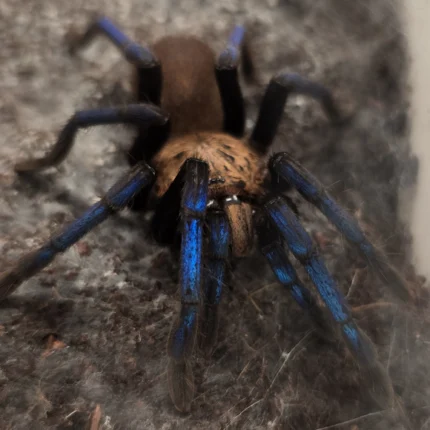
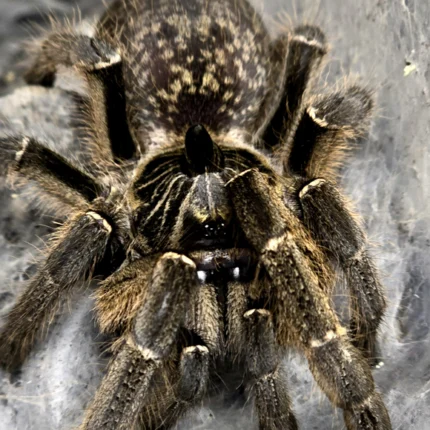
Harpactira marksi might not be as well-known as some, but those who keep them will gush about their understated beauty, gentle webbing, and quietly charming nature. Not flashy or out-spoken, they reward patient keepers with moments of intrigue: a flash of gold legs in the moonlight, a stealthy dinner raid, or a surprise post-moult display. They’re robust and forgiving, but their speed and shyness mean they suit the attentive hobbyist rather than the complete novice. All in all, H. marksi offers a perfect blend of manageable care, intriguing behaviour, and South African flair—a unique and satisfying addition to any collection.
Species-specific guidance
Frequently Asked Questions
Is Harpactira marksi suitable for beginner tarantula keepers?
Harpactira marksi is best for hobbyists with a bit of tarantula experience. Their needs are straightforward, but they can be skittish and fairly quick on their feet, so handling maintenance requires confidence. They’re a great next step after your first terrestrial species, but not recommended as a true starter spider.
What is the temperament of Harpactira marksi?
Generally, Harpactira marksi is calm and mild-mannered, preferring to make a dash for cover rather than show aggression. Some individuals may display a threat posture if seriously disturbed, but this is rare. Treat them with patience and respect, and you’ll find they’re quiet companions with a gentle approach to life.
How large does an adult Harpactira marksi get?
Adult Harpactira marksi typically reach a diagonal leg span of 10–12 cm—impressive, but not outlandishly big. Females are usually a bit stockier, while males are more slender, especially after maturity. Their steady growth rate means you’ll watch them develop over a few years rather than in a flash.
What kind of enclosure does Harpactira marksi need?
For Harpactira marksi, a well-ventilated plastic or glass enclosure with a footprint around 30 cm by 25 cm is ideal for juveniles and adults, with 5–7 cm of substrate depth. Include a hide like cork bark and a shallow water dish. Good airflow is crucial to prevent stuffy conditions, and natural décor is appreciated but optional.
How much humidity and moisture does Harpactira marksi require?
Keep relative humidity between 55–65%—not too damp, more like a pleasant spring day than a rainforest. Allow the top layer of substrate to dry slightly between waterings, but avoid letting it become completely bone dry for long stretches. Always provide a shallow water dish and ensure good ventilation to prevent mould.
What is the feeding response and diet for Harpactira marksi?
Harpactira marksi isn’t fussy—offer them crickets, roaches, or locusts. Slings do well with pinhead crickets or chopped mealworms twice a week, juveniles with mid-sized feeders every 5–7 days, and adults with a meal every 10–14 days. They’re enthusiastic feeders, but don’t overdo it—a healthy weight is best and uneaten prey should be removed after 24 hours.
Is Harpactira marksi visible or a secretive species?
You’ll spot Harpactira marksi most often at dusk or when food’s on offer—they do like their privacy! Expect them to spend plenty of time in or near their hide, with surprise appearances now and again. They aren’t the most outgoing tarantula, so enjoy the intrigue of catching them in action.
How much webbing does Harpactira marksi produce?
Harpactira marksi decorates subtly, laying down sheets of silk along the substrate, hide, and entranceways. While not architectural like some species, they use their webbing thoughtfully, especially after moulting or rearranging their space. Some individuals will web more than others, which is all part of their charm.


Reviews
There are no reviews yet.