

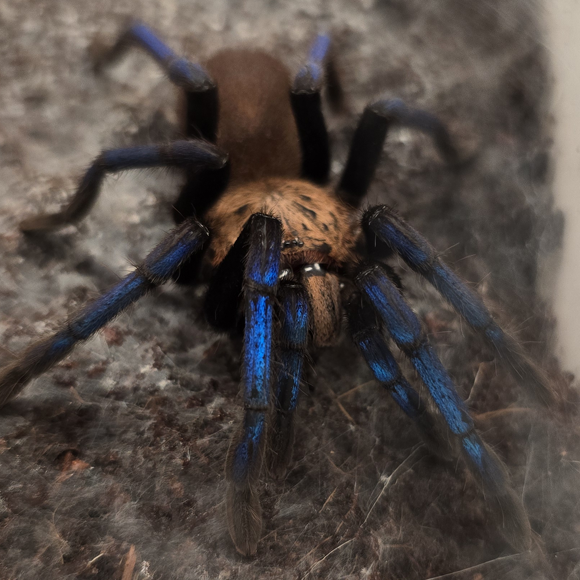

Birupes simoroxigorum
Price range: £35.00 through £280.00
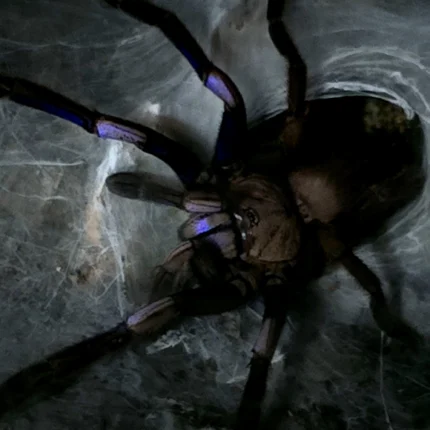
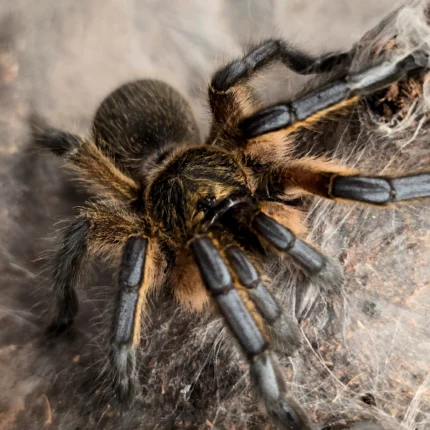
Usually takes reclusive to dramatic new depths—if you glimpse a flash of blue, consider yourself lucky and assume it’s already retreated with frankly unnecessary haste.
| Weight | 80 g |
|---|---|
| Dimensions | 16 × 16 × 16 cm |
Tell me when it is available
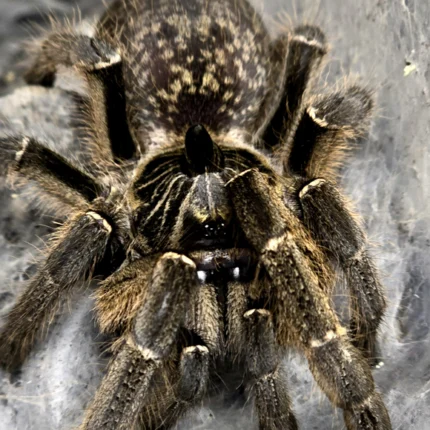
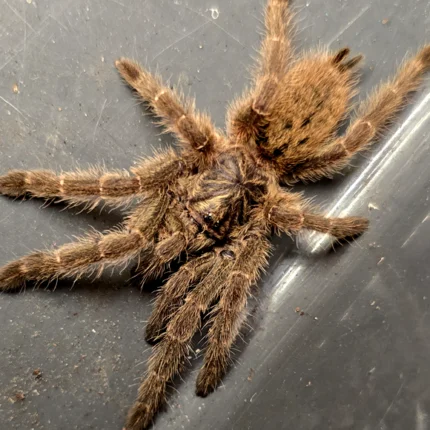
Birupes simoroxigorum from Sarawak, Borneo, quietly proves that blue spiders don’t need to show off. A fossorial specialist, this rare Old World tarantula spends most of its life weaving silk tunnels through deep, slightly moist substrate—rarely surfacing except for the occasional peep at a water dish or late-night exploration. True to its reputation, it’s shy rather than defensive, disappearing underground at the first hint of activity.
Growth is steady but by no means fast, especially for females, who can live well over a decade given proper care. Males are leggier and, as usual, not quite as long-lived. The species loves a deep substrate (20-30cm for adults isn’t excessive), high humidity (75–85%) and good ventilation. Overzealous misting will only invite drama of the fungal variety, so moderation is key. Well-placed cork bark and leaf litter are optional extras—the spider’s own silk architecture will do most of the decorating.
Feeding is straightforward. Slings take pinhead crickets or fruit flies, juveniles move onto small crickets or roaches, and adults handle standard feeders on a 10–14 day cycle. Burrowing makes locating leftovers interesting—long tweezers are your friend. If you’re after a display spider, look elsewhere. If you’d rather marvel at an elaborate subterranean webbed palace, you’re in the right company. Rehousing is best done with a sense of humour and fast reflexes, though in practice you’ll mostly just wait for them to briefly appear before vanishing again.
Experienced keepers will appreciate Birupes simoroxigorum’s reserved charm and architectural flair. They’re not challenging so much as particular, and patience pays off with the odd flash of cobalt blue. For those who enjoy quietly impressive spiders, and who prefer midnight glimpses to daily parades, they’re well worth the commitment—but as with all rare Asian species, do make sure yours is captive-bred.
Only logged in customers who have purchased this product may leave a review.
Species breeding reference
Breeding Notes
Birupes simoroxigorum is a jungle gem that sits on the trickier end of the breeding spectrum. Wild cues aren’t firmly mapped, and captive successes are still few and far between. The key is to mimic rainforest sultriness—a consistent warm, humid, and well-ventilated enclosure, a well-rested pair, and nerves of steel from the keeper. If you manage to crack the code, you’re in rare company, so tread carefully and document everything. For most, this is best left to the experts until more is learned.
Breeding information for this species is a bit thin on the ground, so this guidance is based on the best available reports, native climate clues, and sensible keeper caution.
Wild Breeding Season
Confirmed wild breeding records for Birupes simoroxigorum are lacking. Given its home in ever-wet, tropical Borneo, breeding activity may not have a sharply defined annual window but could be triggered at any time of year, often following periods of increased rainfall.
Wild Environmental Triggers
Consistent high humidity, warm temperatures, and frequent rainfall typify their native habitat. Changes in rainfall or a spike in moisture could act as natural cues to trigger breeding.
Native Climate Context
Think nearly constant warmth, very high humidity, and heavy rain most months. The Bornean rainforest barely cools off or dries out, so the spiders never really see a cold snap or dry spell. Temperatures hover between 25–27°C with humidity levels around 85–91%, and the ground is always moist but not waterlogged.
Captive Breeding Window
No fixed window confirmed for captive breeding. Most success appears when mimicking the wettest months, offering a steady, warm, and humid environment. Consider increasing misting or lightly flooding one area to replicate seasonal rain before pairing attempts.
Pre-pairing Conditioning
Females should be well-fed and left undisturbed for several weeks before introduction. Gradually increase humidity to the upper end of the range, mirroring a 'rainy season' boost to encourage receptivity while still maintaining solid ventilation to prevent mould or slump. Ensure both spiders are mature—check for recent moults or ultimate moult hooks (males) prior to any introduction.
Male Introduction Guidance
Introduce the male at one edge of the female’s burrow or tunnel, ideally in the evening. Give both space and plenty of anchor points. Always supervise directly; this genus is known for sudden changes in attitude. Males sometimes linger at the burrow entrance before approaching, so patience is key. Consider separating with a removable barrier until both spiders show interest.
Female Readiness Signs
A receptive female often webs more heavily near the surface or the mouth of her burrow and may linger near the entrance. Some individuals display a less defensive, more curious posture towards the male. Lack of aggression or threat poses is a good start—but be ready for swift changes in mood.
Post-pairing Conditions
Once paired, remove the male promptly—as cannibalism risk is significant, and the female may become less tolerant soon after. Lower disturbances to a bare minimum, keep humidity elevated, and ensure prey availability stays high but not excessive. Resist the urge to peek underground unless necessary—privacy is king for this secretive species.
Sac Timeline
Egg sac timelines for Birupes simoroxigorum aren’t well recorded. Based on close relatives, expect the female to possibly produce a sac within 4–12 weeks post-mating. Incubation (from egg to emerging spiderlings) is likely in the region of 6–8 weeks but treat any timings as rough guides only, not certainties.
Incubation Notes
Leave the sac with the female if it’s healthy and undisturbed, but be prepared to intervene if you spot mould, predation risk, or neglect. Maintain stable, warm, and humid conditions throughout. Should artificial incubation be needed, continue high humidity but allow for gentle, steady ventilation to prevent stagnation and fungal growth.
Expected Sling Count
Reliable numbers are hard to come by, but based on reports for similar Southeast Asian fossorials, expect anywhere from a couple dozen up to 120 spiderlings per sac. Variability can be dramatic, so consider any figure a loose ballpark.
Risks and Cautions
This is not a project for casual pairings. Both sexes can be very secretive and defensive, with a real risk of post-pairing aggression and cannibalism. Unmated females may moult soon after introduction, wasting the male’s efforts. Additionally, poor ventilation or stagnant humidity will spike mould and may doom the sac. Breeding successes are rare and should only be considered by experienced keepers prepared for setbacks and disappointments.
Evidence confidence: Low
UK Market Insight
Neutral UK availability and pricing context for this exact Species record.
Species care guide
Birupes simoroxigorum
Adult Size
10–11cm diagonal leg span
Temperature
22–26°C ideal
Humidity
75–85% RH
Temperament
Despite their glamour, Birupes simoroxigorum is famously shy and not especially defensive. They’ll bolt to their burrows at the first sign of disturbance. These spiders usually prefer to disappear rather than stand their ground or throw threat poses. However, their speed can catch keepers off guard, especially during rehousing. They’re best enjoyed as low-drama, high-silk roommates – and, like all tarantulas, are best appreciated from behind glass or acrylic rather than your hand.
Defence
Their primary defence? Leg it! They lack urticating hairs, so rely entirely on their impressive turn of speed and their burrow network to avoid predators. Threat displays are rare but possible if they feel truly threatened. Always take care during maintenance – a startled Birupes can dart to safety in the blink of an eye. No need for gloves, but do keep lids secured and tongs handy for spot cleaning.
Visibility
You won’t see them hosting any parties above ground. Expect a mostly ‘absentee landlord’ situation, with brief appearances at the burrow entrance, especially at night. If you love watching clever web architecture or spot some gleaming blue legs at dusk, you’ll be delighted. Their showy colouring is best glimpsed under torchlight, so night-owls may catch a glimpse of a midnight wander.
Experience Level
Birupes simoroxigorum is best suited to keepers with at least intermediate experience, mainly due to their burrowing needs and skittish temperament. New keepers may find their shy behaviour and environmental requirements a bit challenging. Not the hardest tarantula on the market, but having some experience with Asian fossorials makes for smoother keeping and happier spiders.
Webbing
Birupes simoroxigorum are proper little web architects. They’ll seal themselves in silk tunnels running through the substrate and up to the entrance, sometimes even pulling in décor and moss to fortify their homes. Their webbing strengthens burrow walls and makes perfect ambush zones for unsuspecting feeders. While the top layer displays aren’t as thick as some Avics or Chromatopelma, the underground ‘tunnel network’ is a real marvel, if you’re ever lucky enough to see it!
Feeding
Slings will cheerfully take on pre-killed pinhead crickets or fruit flies 1–2 times per week. As juveniles, small crickets or roaches are great – offer one every 7–10 days. Adults handle larger crickets or dubia roaches once every 10–14 days. Adjust frequency during premoult (they'll refuse food, so don't fuss), and remove any uneaten prey after 24 hours. They have a good feeding response but won’t starve themselves fat, so avoid overfeeding. Avoid mealworms that might burrow and annoy them, and keep an eye on substrate cleanliness. Always offer live insects – Birupes is a committed ambush predator. They're not fussy eaters, but patience is key, as shy fossorials can go weeks in hiding after a good meal.
Enclosure Recommendations
Start slings in 16oz deli cups or small micro-enclosures with secure ventilation and at least 8cm of substrate. Juveniles and adults will need a deeper enclosure (20–30cm substrate depth is ideal) – the more digging room, the better. Plastic tubs or acrylic enclosures work well provided they lock securely and have front/side ventilation to prevent stagnant air. Add a water dish (even for slings – small bottle caps work), and keep a starter burrow in the corner to encourage digging. No need for excessive décor, though leaf litter and cork bark add a homey touch. Keep the substrate slightly damp, not saturated, and avoid direct bottom heating to prevent cooking their burrow. Regularly check for mould or pests, and always ensure escape-proof lids – Birupes are more slippery than they look.
Final Thoughts
Birupes simoroxigorum is a top pick for patient hobbyists who love secretive spiders and don't mind infrequent sightings in exchange for jaw-dropping blue glimpses. Their calm, reclusive personality and dazzling colours make them a grail tarantula for many, though their fossorial habits and environmental needs ask for a bit more experience. They're not party animals, but their subtlety and unique beauty win hearts over time. If you appreciate clever webbing, rare species, and the thrill of a midnight sighting, Birupes absolutely delivers. Just remember, they're a long game – but one well worth playing.
Species-specific guidance
Frequently Asked Questions
Is Birupes simoroxigorum suitable for beginners?
Birupes simoroxigorum is best for keepers with at least intermediate experience. Their fossorial habits, skittish temperament, and specific humidity requirements can challenge new keepers. While not especially aggressive or defensive, it's best to have some background with Asian burrowers before welcoming this rare beauty.
How defensive or skittish is Birupes simoroxigorum?
Birupes simoroxigorum is famously shy and far from aggressive. Their primary defence is to bolt instantly to their burrow at any disturbance. They lack urticating hairs and rarely threaten, but their speed can surprise during maintenance. The Spoodoire does not endorse handling of any tarantula.
How big does Birupes simoroxigorum get when fully grown?
Adult female Birupes simoroxigorum typically reach a diagonal leg span of 10–11cm, with males being slightly smaller and leggier. Females are chunkier and longer-lived, while males tend to be slimmer and mature faster.
What is the growth rate of Birupes simoroxigorum, and how long until maturity?
Birupes simoroxigorum grows at a slow to medium pace, with slings taking several years to reach adulthood. Females may take longer than males to mature. Growth rate can be encouraged (but not rushed) by maintaining optimal warmth, humidity, and regular feeding.
What food and feeding schedule does Birupes simoroxigorum need?
Slings take pre-killed pinhead crickets or fruit flies 1–2 times weekly. Juveniles should get small crickets or roaches every 7–10 days, and adults tackle larger prey every 10–14 days. Remove uneaten food after 24 hours and expect feeding refusals during premoult. Avoid mealworms as they may burrow and bother your spider.
How should I maintain humidity and substrate moisture for Birupes simoroxigorum?
Aim for 75–85% humidity, using 8–12cm of slightly moist (not soggy) substrate. Add a generous water dish and mist one side occasionally, especially during moulting. Good cross-ventilation will prevent stagnant air and mould, and keep a close eye on substrate conditions.
What is the best enclosure setup for Birupes simoroxigorum?
Provide deep enclosures: 16oz deli cups for slings with 8cm substrate, and 20–30cm substrate depth for juveniles and adults. Use secure plastic or acrylic enclosures with ample ventilation, a starter burrow, and a water dish. Avoid excess décor; a bit of leaf litter or cork bark is welcome. Never use bottom heating.
How visible will Birupes simoroxigorum be in my collection?
Prepare for a game of hide-and-seek! Birupes simoroxigorum is a shy, true fossorial: you’ll see little more than a glimpse of blue legs at the burrow entrance, most likely at night. Enjoy their impressive web architecture and the thrill of occasional midnight appearances.


Reviews
There are no reviews yet.