

Breeding Notes
Birupes simoroxigorum
Bornean neon blue leg tarantula
Also known as: neon blue leg tarantula, Sarawak blue tarantula, Malaysian blue tarantula
Species-specific breeding guidance, seasonal context and practical caveats for experienced keepers.
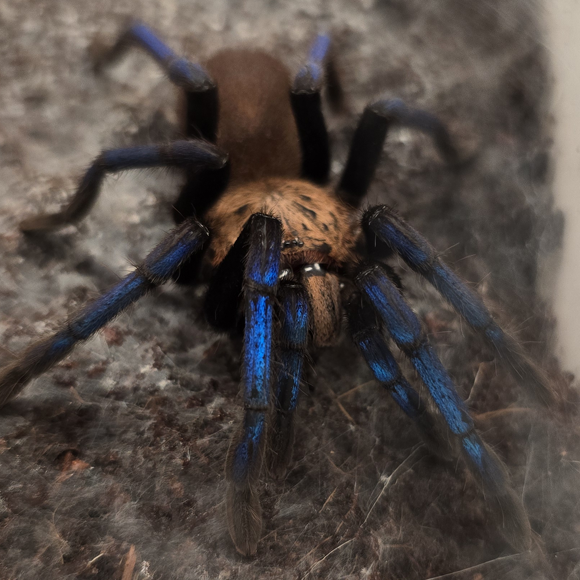
Species breeding reference
Breeding Notes
Birupes simoroxigorum is a jungle gem that sits on the trickier end of the breeding spectrum. Wild cues aren’t firmly mapped, and captive successes are still few and far between. The key is to mimic rainforest sultriness—a consistent warm, humid, and well-ventilated enclosure, a well-rested pair, and nerves of steel from the keeper. If you manage to crack the code, you’re in rare company, so tread carefully and document everything. For most, this is best left to the experts until more is learned.
Breeding information for this species is a bit thin on the ground, so this guidance is based on the best available reports, native climate clues, and sensible keeper caution.
Wild Breeding Season
Confirmed wild breeding records for Birupes simoroxigorum are lacking. Given its home in ever-wet, tropical Borneo, breeding activity may not have a sharply defined annual window but could be triggered at any time of year, often following periods of increased rainfall.
Wild Environmental Triggers
Consistent high humidity, warm temperatures, and frequent rainfall typify their native habitat. Changes in rainfall or a spike in moisture could act as natural cues to trigger breeding.
Native Climate Context
Think nearly constant warmth, very high humidity, and heavy rain most months. The Bornean rainforest barely cools off or dries out, so the spiders never really see a cold snap or dry spell. Temperatures hover between 25–27°C with humidity levels around 85–91%, and the ground is always moist but not waterlogged.
Captive Breeding Window
No fixed window confirmed for captive breeding. Most success appears when mimicking the wettest months, offering a steady, warm, and humid environment. Consider increasing misting or lightly flooding one area to replicate seasonal rain before pairing attempts.
Pre-pairing Conditioning
Females should be well-fed and left undisturbed for several weeks before introduction. Gradually increase humidity to the upper end of the range, mirroring a 'rainy season' boost to encourage receptivity while still maintaining solid ventilation to prevent mould or slump. Ensure both spiders are mature—check for recent moults or ultimate moult hooks (males) prior to any introduction.
Male Introduction Guidance
Introduce the male at one edge of the female’s burrow or tunnel, ideally in the evening. Give both space and plenty of anchor points. Always supervise directly; this genus is known for sudden changes in attitude. Males sometimes linger at the burrow entrance before approaching, so patience is key. Consider separating with a removable barrier until both spiders show interest.
Female Readiness Signs
A receptive female often webs more heavily near the surface or the mouth of her burrow and may linger near the entrance. Some individuals display a less defensive, more curious posture towards the male. Lack of aggression or threat poses is a good start—but be ready for swift changes in mood.
Post-pairing Conditions
Once paired, remove the male promptly—as cannibalism risk is significant, and the female may become less tolerant soon after. Lower disturbances to a bare minimum, keep humidity elevated, and ensure prey availability stays high but not excessive. Resist the urge to peek underground unless necessary—privacy is king for this secretive species.
Sac Timeline
Egg sac timelines for Birupes simoroxigorum aren’t well recorded. Based on close relatives, expect the female to possibly produce a sac within 4–12 weeks post-mating. Incubation (from egg to emerging spiderlings) is likely in the region of 6–8 weeks but treat any timings as rough guides only, not certainties.
Incubation Notes
Leave the sac with the female if it’s healthy and undisturbed, but be prepared to intervene if you spot mould, predation risk, or neglect. Maintain stable, warm, and humid conditions throughout. Should artificial incubation be needed, continue high humidity but allow for gentle, steady ventilation to prevent stagnation and fungal growth.
Expected Sling Count
Reliable numbers are hard to come by, but based on reports for similar Southeast Asian fossorials, expect anywhere from a couple dozen up to 120 spiderlings per sac. Variability can be dramatic, so consider any figure a loose ballpark.
Risks and Cautions
This is not a project for casual pairings. Both sexes can be very secretive and defensive, with a real risk of post-pairing aggression and cannibalism. Unmated females may moult soon after introduction, wasting the male’s efforts. Additionally, poor ventilation or stagnant humidity will spike mould and may doom the sac. Breeding successes are rare and should only be considered by experienced keepers prepared for setbacks and disappointments.
Evidence confidence: Low