

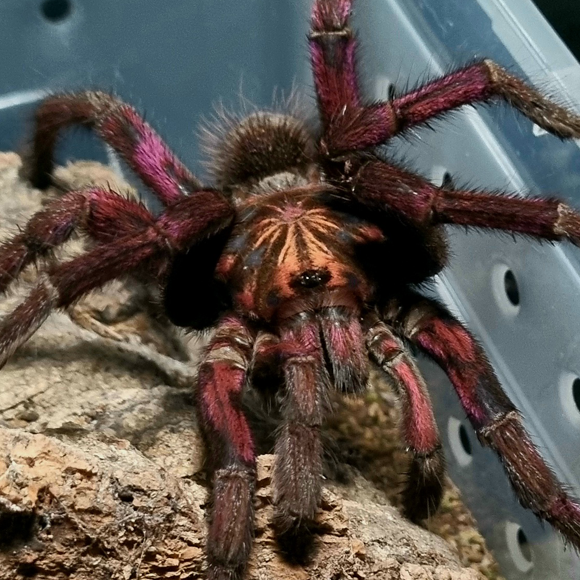
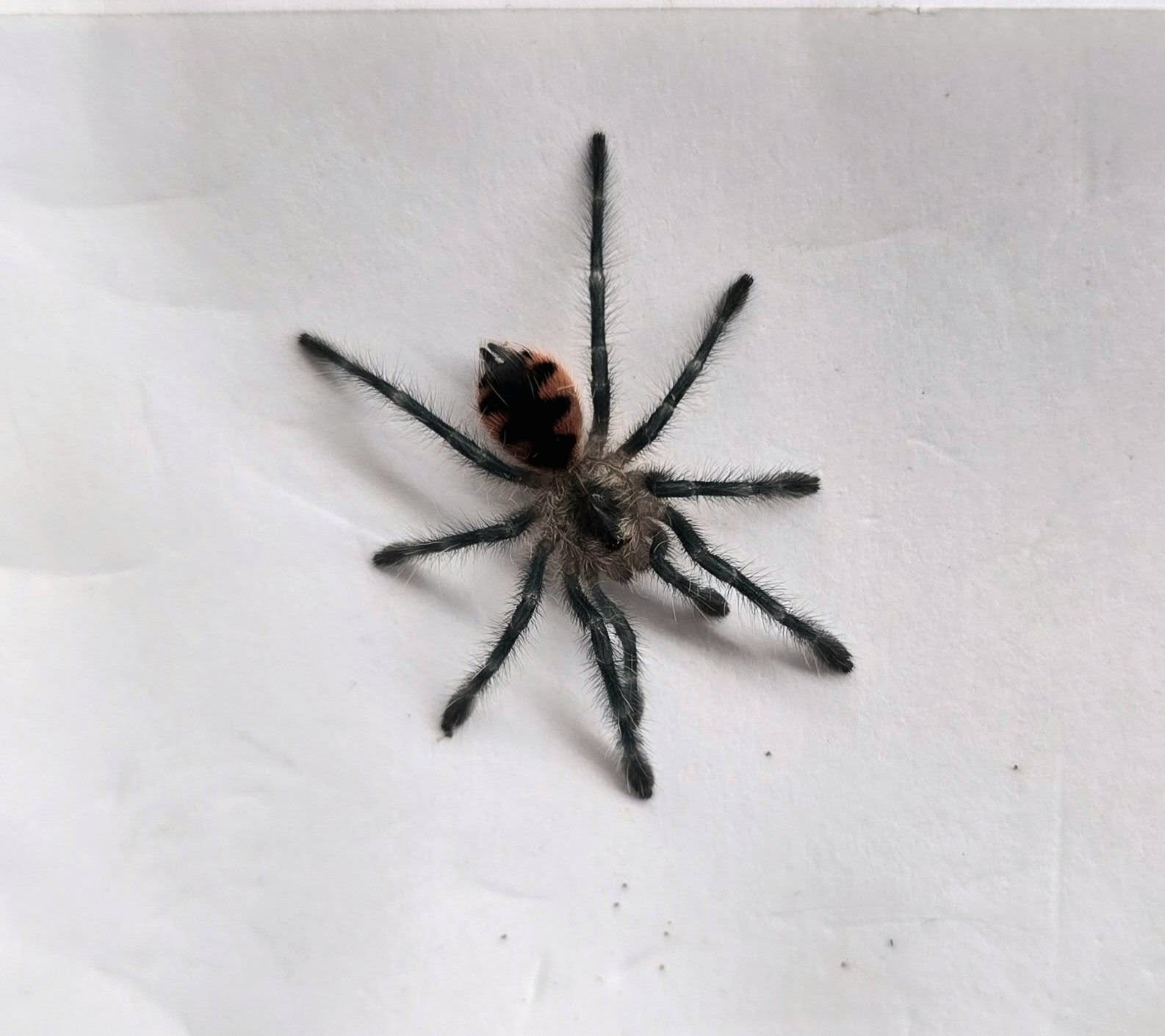
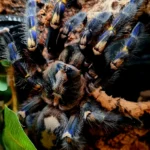
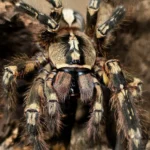
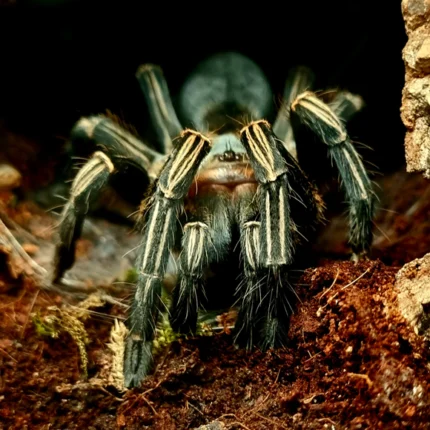
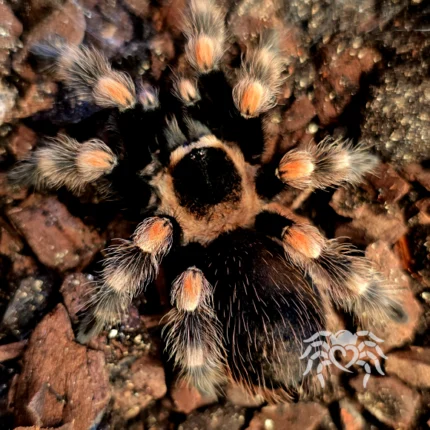
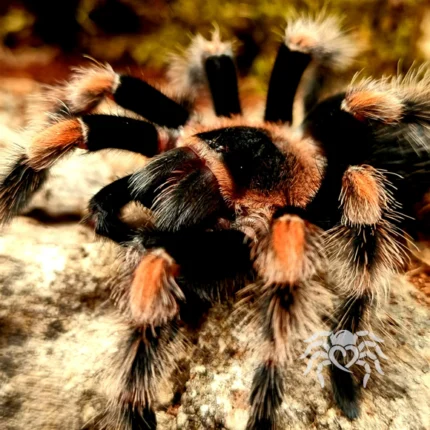
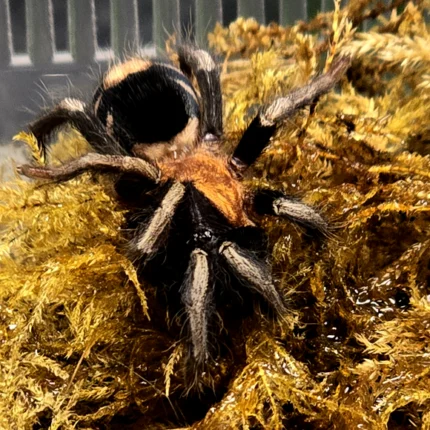
Pamphobeteus sp. “machala”
Price range: £25.00 through £160.00
Has the presence of a tank but the nerve of a napper—mostly seen lurking, unless spooked, in which case it exits stage left with unexpected enthusiasm.
| Weight | 400 g |
|---|---|
| Dimensions | 16 × 16 × 16 cm |
Tell me when it is available
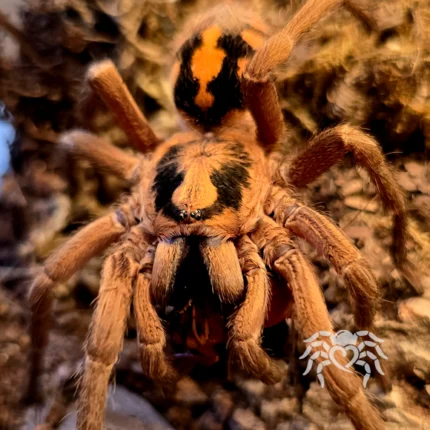
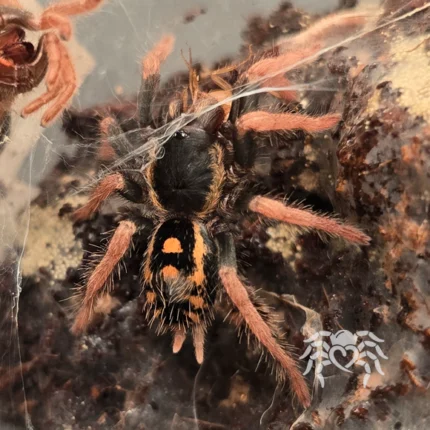
Pamphobeteus sp. “machala” is your classic hefty terrestrial from Ecuador and Peru – the sort of spider that prefers a solid bit of substrate to dig into rather than showing off on a web. As juveniles, you’ll notice them vanishing for days at a time into self-constructed scrapes or shallow burrows, but adults are satisfyingly bold: there’s a fair chance you’ll catch yours rearranging the décor, stubbornly perched in the water dish, or waiting (with intent) for the next meal delivery.
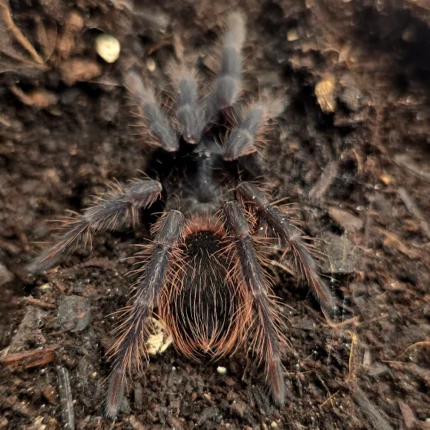
Females represent a significant investment in both enclosure space and years – a fully grown girl usually lands in the 18–20cm leg span region and can live for 15 to 18 years with reasonable care. Males mature more quickly and, in true tarantula style, seldom make old bones once they’ve put on their dressing gown. Fast growers by Pamphobeteus standards, slings rocket up in size if given enough food and warmth, so don’t be shocked when that small spiderling you got on a whim is suddenly testing the limits of its starter box.
Pamphobeteus “machala” isn’t known for artistic webbing, focusing its efforts on practical silking around hides and entrances instead. Their main line of defence is more ‘itchy sweater’ than ‘fangs first’ – be wary of urticating hair clouds, especially when cleaning. While generally docile, they’re capable of dramatic retreats if startled – not aggressive as such, but alert and quick-footed. Not exactly a lap pet, but endlessly entertaining in more sensible ways.
Enclosure-wise, think solid ground space over verticality, a good 10–15cm of substrate, and cross-ventilation to stave off excess humidity and mould. Adults tolerate slightly drier periods, but you’ll want to keep humidity around 70–80% when possible.Pamphobeteus aren’t fussy about showmanship, but adults often loiter in the open for all to see, particularly at dusk. Feeding is where they shine: food rarely lasts long. Resist the temptation to overdo it, or you’ll gain experience in tarantula fasting.
This is an excellent species for the enthusiast wanting something larger, fast-growing and charismatic, but not quite ready for old world attitude. Respect their quirks, mind the itchy hairs, and you’ll have a reliably impressive spider on hand for years.
Only logged in customers who have purchased this product may leave a review.
Species breeding reference
Breeding Notes
Pamphobeteus sp. 'machala' breeding is still a bit of a frontier. Reliable info is sparse, so you’ll be leaning heavily on weather cues, genus experience, and a lot of patience. Treat every pairing as an experiment, and don’t expect guaranteed results. Only attempt this project if you’re stout-hearted, have solid tarantula experience, and a backup plan for a surprise sackful of spiderlings.
Breeding information for this species is a bit thin on the ground, so this guidance is based on the best available reports, native climate clues, and sensible keeper caution.
Wild Breeding Season
Exact timing is unconfirmed for Pamphobeteus sp. “machala.” As a South American rainforest native, breeding in the wild likely coincides with wetter months or transitional periods when humidity peaks and conditions are lush. Close relatives are often reported to breed as rains pick up, but without concrete field data, treat this as cautious inference.
Wild Environmental Triggers
Seasonal rains and high humidity seem to play a part in triggering natural reproductive behaviour, with females most receptive during or just after periods of intense rainfall. Consistent warmth and dense ground cover would round out the formula.
Native Climate Context
Hailing from the tropical forests of Ecuador and Peru, these spiders experience steady warm temperatures year-round, with dramatic seasonal swings in rainfall. The habitat is humid, with high rainfall from March through May and again in October and November.
Captive Breeding Window
For captive breeding attempts, mimic the seasonal shift into wetter conditions, ideally just after a mature female has completed a solid molt. Early spring or autumn can work, but focus more on environmental cues than calendar dates.
Pre-pairing Conditioning
Feed both spiders up well and provide extra humidity for a few weeks before pairing. A cooling period isn’t strictly needed, but a bump in moisture leading up seems to get females more receptive based on genus experience. Let them both settle after their last molts – patience pays off with this lot.
Male Introduction Guidance
Introduce the male into the female’s enclosure during the evening. Both spiders should be well fed to help stave off any cannibalistic urges. Supervise with a barrier ready—Pamphobeteus can be unpredictable, and males often need a quick retreat.
Female Readiness Signs
A freshly molted, well-fed female is your best bet. She may web more than usual around her den, and sometimes leaves a few new scrapes on the surface. Receptivity can be hit and miss, so don’t push it if she stays reclusive or seems agitated.
Post-pairing Conditions
Keep conditions nice and humid, but don’t go swampy—crank up airflow so the air stays fresh. Minimal disturbance is key. Keep feeding the female but avoid overdoing it, as a gravid female may lose her appetite anyway.
Sac Timeline
Egg sac timing is sketchy for Pamphobeteus sp. “machala”, but for closely related species, expect a sac about 4–8 weeks after pairing if things go well. There are big swings in reports, so don’t worry if yours takes a little longer.
Incubation Notes
Once the female produces an egg sac, she’ll often guard it fiercely. If planning to pull the sac for artificial incubation, wait at least three weeks, keeping conditions humid (but not wet) and stable. Watch for mold if artificial, and don’t let the little ones dry out.
Expected Sling Count
Reports for similar Pamphobeteus species range from 100 to over 200 spiderlings per sac, but numbers for 'machala' specifically are not pinned down. Be ready for a surprise – it rarely seems to be a small clutch.
Risks and Cautions
Females can be touchy, and cannibalism is always a risk. Avoid pairing with freshly molted or clearly unreceptive females. Some keepers report successful sac production followed by female or egg sac eating – stress and disturbance likely don’t help. Patience and careful, hands-off management are vital for any success with this genus.
Evidence confidence: Low
UK Market Insight
Neutral UK availability and pricing context for this exact Species record.
Species care guide
Pamphobeteus sp. “machala”
Adult Size
18–20 cm diagonal leg span
Temperature
22–26°C; avoid extremes
Humidity
70–80% RH, moist substrate
Temperament
Pamphobeteus “machala” are classic gentle giants with a side of nervous drama. They’re typically not aggressive and would much prefer to stomp away or flick a bit of hair than stand their ground. That said, they can throw a bit of a sulk if seriously bothered. Quick on their feet when spooked—so lid on, reflexes ready! Not the best fit if you’re after a lap spider (not that we recommend it anyway), but truly endearing with regular ‘peek-a-boo’ appearances.
Defence
Their main defence is the classic Pamphobeteus bum-flick: urticating hairs. These can irritate your skin and lungs, so don’t go sniffing the enclosure after housekeeping. They rarely show fangs unless truly distressed, preferring to scoot off or kick up a cloud. Always observe from outside, use tools for maintenance, and you’ll enjoy all the drama with none of the drama-queen consequences.
Visibility
Notorious for being on display more than you might expect from a burrowing tarantula, Pamphobeteus “machala” win points for ‘show factor’. Juveniles are shyer, but adults will happily lounge out in the open, occasionally moving substrate around or sitting stubbornly in the water dish. Expect to see them most at dusk or after dark, but surprise cameos are always possible—especially if you’re hoping to impress spider-sceptical visitors.
Experience Level
While not a true ‘beginner’s species’ due to size, defensive hairs and humidity needs, Pamphobeteus “machala” are an excellent next step for the keen keeper with a bit of experience. If you’ve kept a couple of terrestrials and want something flashier and just a bit more demanding (but not bonkers), these are ideal.
Webbing
Not the most ambitious of engineers, Pamphobeteus “machala” produce modest silk for lining burrows and occasionally decorating their hides. Don’t expect arboreal-level web buildings here. You’ll mostly see a light matting or a silk ‘doorbell’ at the entrance to a favourite hide, perfect for letting them know when dinner’s arriving. Enough web for interest, not enough to obscure your view—and the perfect excuse for buying a camera with macro mode.
Feeding
Slings will make a meal of pre-killed or small live prey twice a week: fruit flies, hatchling crickets, tiny roaches—whatever won’t turn the tables and nibble them first. As juveniles and adults, size up to larger crickets, dubia roaches or locusts once a week. Pamphobeteus are famous for their ‘gusto’—don’t be shocked if they leap on food like the world’s gone missing a meal. Avoid overfeeding; those lovely thick spiders can get chunky (and then go on hunger strike just to make you panic). Always remove uneaten prey after 24 hours, especially if a moult is due—nobody wants an opportunistic cricket ruining your spider’s big reveal.
Enclosure Recommendations
For adults, go for a sturdy terrestrial enclosure (minimum 45x30x30cm) with escape-proof ventilation. Provide at least 10–15cm of slightly moist coco fibre or peat-free soil for burrowing. A generous hide is essential—think cork bark or a flower pot on its side if you’re feeling retro. Add a shallow water dish that can’t be tipped, you’ll thank yourself when cleaning. Good cross ventilation prevents stuffiness and keeps pests at bay. Avoid cluttering the enclosure; this species likes its personal space. For slings and juveniles, deli cups or small faunariums work fine—just scale everything down. Don’t go minimalist on the substrate for any age—the bigger they get, the more they dig… or at least shuffle things about artistically.
Final Thoughts
Pamphobeteus sp. “machala” brings drama, colour and true personality to any collection. They’re robust, quick-growing and often more visible than your average terrestrial, making them a perennial favourite among budding and seasoned keepers alike. As long as you respect their need for humidity, a bit of personal space, and don’t expect cuddles, you’ll get years of enjoyment. Remember: those urticating hairs are no joke, so hands off and tongs out for maintenance. Treat them well, and you’ll be treated to flashy displays, epic feeding response and impressive size—arguably the showstopper of any spider shelf.
Species-specific FAQs are not available yet.
Related products


Reviews
There are no reviews yet.