

Species Care Guide
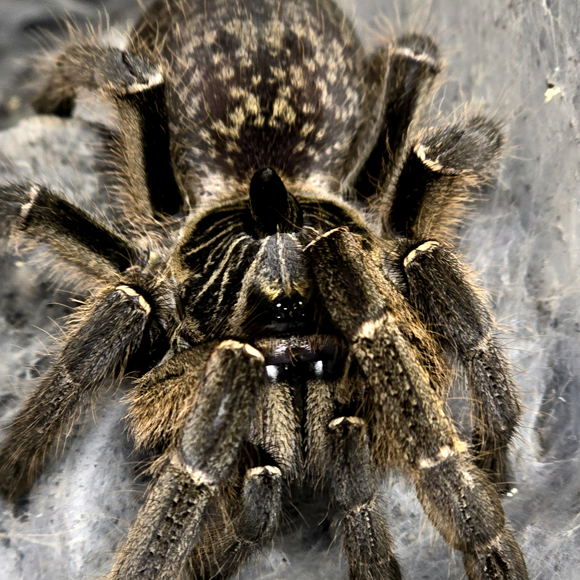
Ceratogyrus darlingi
Rear-horned baboon tarantula
Also known as: Darling's horned baboon, African rear-horned baboon, burst horned baboon
Last updated: June 28, 2026
Buy this species
Origin
Ceratogyrus darlingi, affectionately known as the Rear-Horned Baboon, hails from the dry grasslands and savannahs of Southern Africa, most notably Zimbabwe, Botswana and South Africa. Out in the wild, this species has mastered the art of surviving in some rather unforgiving, arid climates – think plenty of sun, patchy rainfall and a robust helping of sandy soil. They're avid diggers, making the most of loose ground to fashion burrows as their home base, where the temperature is cooler and humidity a bit more comfortable. When recreating their natural habitat in captivity, aim to mirror this dry, open landscape as much as possible for a happy, healthy tarantula.
Adult Size
Adult Ceratogyrus darlingi typically reach a diagonal leg span of 10–13 cm, with females hitting the larger end of that spectrum (lucky ladies!). Males are generally slimmer and sometimes a tad smaller, especially once they hit maturity and go on their inevitable roaming quest for love. While not giants, their impressive horns and sturdy builds more than make up for it! Growth can be quite noticeable after each moult, so prepare to be surprised by how quickly juveniles fill out.
Lifestyle
Ceratogyrus darlingi is a fossorial (burrowing) tarantula through and through. In captivity, you’ll rarely catch them lounging about on the surface for long, as they prefer to create and reside in deep, elaborate burrows. While they might pop out to check if dinner is on the way or to rearrange their décor, expect them to spend most of their time hidden underground where it’s safe and snug. Providing them ample substrate allows them to exhibit the same natural digging and engineering behaviours you’d see in the wild – a fascinating spectacle for patient hobbyists!
Lifespan
Like many tarantulas, there’s a rather unfair split in longevity between the sexes. Females can live up to 12–15 years (sometimes a bit longer with proper care), making them quite the long-term investment. Males, on the other hand, usually top out at around 3–4 years and, once mature, their days are numbered – it’s a tough life in the spider-dating game! Regular, appropriate care, a good diet, and stress-free conditions all contribute to a spider living to a ripe old age.
Growth Rate
Ceratogyrus darlingi are known for their decent growth rate, often described as medium to fast compared to some of their pokier cousins. Slings and juveniles can motor through several moults in a year if kept warm and well-fed, while adults slow down a touch as they mature. Factors such as temperature, feeding frequency, and individual temperament can all influence how quickly your little horned friend grows. If you like to watch spiders change and evolve rapidly, this species delivers.
Temperament
Rear-Horned Baboons have a bit of a reputation for spice, and, while they’re not the moodiest tarantulas you’ll find, they’re certainly no cuddly pets (besides, who wants a cuddle from a spider?). Expect a spider that’s skittish, quick on its toes and prone to defensive displays if it feels bothered. Most prefer to disappear down their burrow rather than attack, but a cornered C. darlingi isn’t shy about showing fang. Handle with respect…and preferably with a set of tongs.
Temperature
Aim to keep your C. darlingi warm and comfortable, with an ideal temperature range of 22–26°C. They’re no strangers to occasional dips at night, but keep things above 19°C to avoid chilly shocks. A room that’s comfortable for you is usually fine, but if you’re living in the UK and facing a particularly frosty winter, a gentle heat mat on the side of the enclosure (never underneath!) can help. Be sure to monitor with a digital thermometer, as temperature swings are best avoided. Overheating is more dangerous than the occasional cool spell, so resist the urge to make your tarantula feel like it's sunbathing in the Sahara.
Humidity
These spiders like it on the dry side, so aim for 50–60% humidity – you don’t want a swamp in there! To achieve this, most of the substrate can stay dry, but it's best to lightly moisten a corner now and then, especially after a moult or during warmer weather. Always provide a shallow water dish for that all-important sippy. Good ventilation is your best friend: it prevents stagnant air, keeps mould at bay and helps the substrate from staying too soggy. In short: think arid, not Amazon!
Visibility
If you’re hoping for a tarantula that spends its days striking poses out in the open, you may be disappointed – C. darlingi is a classic hide-and-seek champion. Expect to see flashes of activity at night or when food’s on the move. Occasionally, you’ll witness their architectural genius as they redecorate the entrance to their burrow. Still, with patience, you’ll be rewarded with the odd encore when you least expect it. Their rare appearances make them all the more exciting to spot!
Webbing
Not content with just digging, C. darlingi is also a creative webber. They’ll weave silken curtains around their burrow entrance, sometimes creating intricate little doorways or tripwires for passing prey. While not on a par with the web-canvas masterpieces of arboreal species, their webbing is still impressive and very functional. Their tunnels are often reinforced with silk and sometimes capped off completely when they’re feeling shy or preparing to moult. Watch for webbing changes as a clue to their mood and upcoming moults.
Feeding
C. darlingi has a robust appetite, especially when young. Slings will happily take on pre-killed or small live prey like pinhead crickets or pre-killed roaches every 5–7 days. Juveniles graduate to medium crickets, mini mealworms, or small locusts offered weekly. Adults are less greedy, typically feeding once every 7–14 days on larger prey like adult crickets or small dubia roaches. Always remove uneaten food after 24 hours to prevent the spider from feeling harassed, especially prior to moulting. Avoid overfeeding – while they’ll rarely say no to an extra snack, obesity is a real (and avoidable) concern. As always, make sure prey isn’t larger than the spider’s abdomen, and keep water topped up for a healthy, hydrated tarantula.
Enclosure Recommendations
For a fossorial digger like C. darlingi, a deep, well-ventilated enclosure is a must. Go for something roughly 30 x 20 x 25 cm for adults, with a secure lid and plenty of cross ventilation. Substrate is key: provide at least 15–20 cm of slightly compacted topsoil, coco fibre or a sandy loam to allow proper burrowing. Add a cork bark or half-pot hide as a starter burrowing point, though your spider will probably redefine 'interior design' to its own liking. Water dish? Absolutely – shallow, stable and changed regularly. Decorations are optional, but avoid sharp or heavy décor that could crush them in a collapse. Keep things on the dry side and watch for mould. Resist the urge to dig up their burrow – privacy is sacred.
Experience Level
While not the most difficult baboon on the block, C. darlingi isn’t recommended for absolute beginners. Their defensive tendencies and speed mean a basic grounding in tarantula care is advisable before taking one home. Ideal for keepers who’ve worked with a few fast or skittish species and want something a bit different. Their care isn’t rocket science, but respect and experience go a long way to ensuring both you and your spider keep your nerves intact.
Final Thoughts
Ceratogyrus darlingi is a stand-out species thanks to its dramatic horn, earthy colours and burrowing antics. While seldom seen compared to some terrestrial beauties, the anticipation of a rare appearance is half the fun, and observing their engineering skills is genuinely rewarding. Not for absolute beginners, but perfect for keepers with a bit of experience looking to delve into the fascinating world of African baboons. Their feisty attitude, coupled with relatively easy husbandry, makes them a well-loved staple for enthusiasts who appreciate a challenge and a bit of mystery. Just don’t expect too many selfies together!
Community Species Gallery
Approved photos submitted by registered Spoodoire users.
No community images have been approved for this species yet.
Submit Your Photo
Log in to submit a photo for this species.
Available at The Spoodoire
Products linked to this species care guide.