

Wild Climate Snapshot
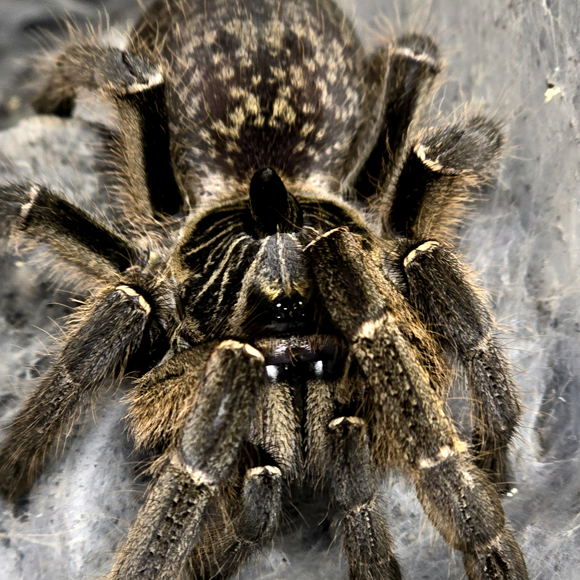
Ceratogyrus darlingi
Rear-horned baboon tarantula
Also known as: Darling's horned baboon, African rear-horned baboon, burst horned baboon
Live and seasonal climate context from a representative locality in the species’ natural range where data is available.
Representative Wild Climate
Wild Climate Snapshot for Ceratogyrus darlingi
Where location data is available, this section shows a live snapshot of conditions from the species’ natural range or known locality. It is designed to provide useful environmental context, not a strict enclosure target.
Captive husbandry should still follow the care guide recommendations, with stable temperatures, suitable ventilation, appropriate humidity and a sensible moisture gradient.
Historical rainfall is temporarily unavailable and has been hidden rather than shown as zero. Refresh this species climate data to retrieve a corrected rainfall record.
July
View yearly climate
| Month | Temp | Humidity | Rain | Season |
|---|---|---|---|---|
| January | 25°C | 66% | — | |
| February | 24.9°C | 69% | — | |
| March | 24.5°C | 65% | — | |
| April | 22.5°C | 65% | — | |
| May | 19.9°C | 61% | — | |
| June | 17.7°C | 56% | — | |
| July | 17.3°C | 53% | — | |
| August | 19.5°C | 52% | — | |
| September | 22°C | 52% | — | |
| October | 22.8°C | 56% | — | |
| November | 24.3°C | 60% | — | |
| December | 25.1°C | 65% | — |
Representative locality: Limpopo, South Africa
Locality source: GBIF HUMAN_OBSERVATION #6130977829
Open-Meteo Historical Weather API · 2016-2025
Open-Meteo Forecast API · 2026-07-26T15:45
This should not be treated as a strict enclosure target. Captive husbandry should still follow the care guidance above, with stable temperatures, suitable ventilation, appropriate humidity and a sensible moisture gradient.