

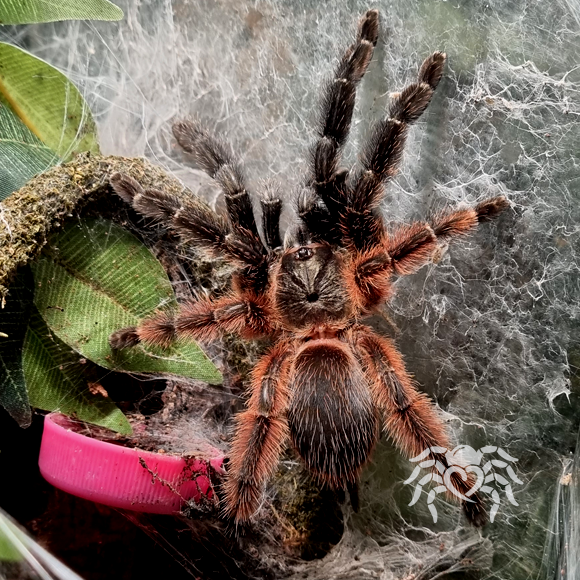


Psalmopoeus victori
Price range: £20.00 through £130.00
Typically hides behind a curtain of web, then appears out of nowhere just as you’re explaining to someone that they never show themselves.
Tell me when it is available
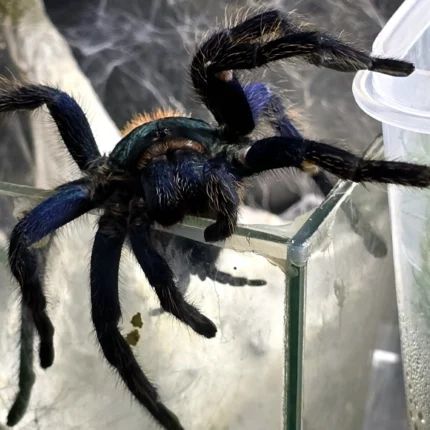
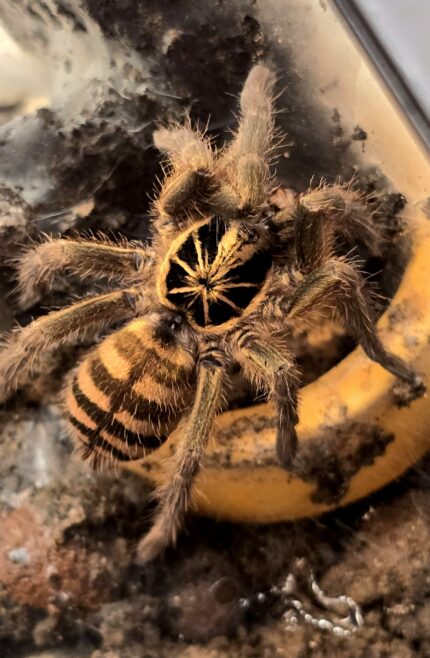
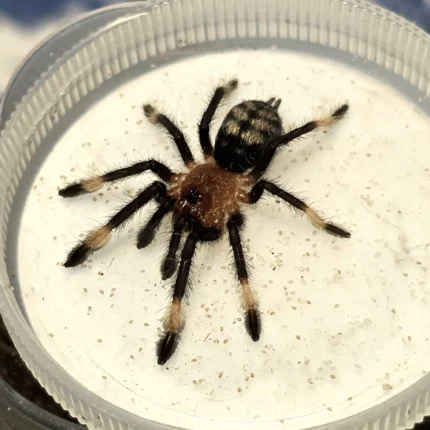
Psalmopoeus victori, sometimes circulating in hobby circles as the ‘Mexican Half-and-Half’ or ‘Darth Maul’ tarantula, is a decidedly interesting character among arboreals. Originating from the well-watered, densely forested slopes of Veracruz, this species spends its life well above ground level—your classic tree-dweller with an enthusiasm for vertical space. In captivity, P. victori is every bit as agile as rumour suggests: slings especially will scale any available surface, often webbing the top inches of their enclosure with commendable industry.
Growth rates are brisk, particularly if you’re diligent with both heat and feeding. Don’t expect to be waiting yonks for that gangly juvenile look. Adult females settle at around 12–14cm diagonal leg span, with the usual difference—females broader and longer-lived, males lighter and on a tighter schedule.
P. victori is refreshingly free of urticating hairs (no itch-fest if you’re adjusting décor), preferring to vanish at a moment’s notice if bothered. Threat poses are theatrical but uncommon; a more typical response is to teleport out of sight. Their feeding response is rarely lacklustre and watching them hunt is often the day’s entertainment. Visibility is somewhere between ‘sometimes present’ and ‘that silk lump in the corner definitely moved’, but clever enclosure setup goes a long way.
Keep them at 22–26°C with 65–75% humidity and plenty of airflow. A tall, secure enclosure with bark, foliage, and a decent helping of substrate sets them up well. Water dish always in, even for slings—with P. victori’s vigour, you don’t want dehydration slowing them down. Webbing is plentiful but not ruinous; expect cleverly engineered silk hideouts but still be able to admire their striking markings if you’re patient.
Intermediate hobbyists will appreciate the balance: not impossibly flighty, not a pet hole either—just enough attitude and behaviour to stay interesting for years. They aren’t the species for handling, nor do they reward rough-and-ready setups, but for those happy to let a spider be a spider, they’re truly rewarding—webs, night-time activity, and the odd, well-timed surprise appearance included.
Only logged in customers who have purchased this product may leave a review.
Species breeding reference
Breeding Notes
Breeding Psalmopoeus victori is not for the faint of heart. Success relies on careful timing, precise environmental tweaks, and a good eye for spider behaviour. The payoff is the chance to raise a rarely-seen arboreal species, but patience is essential and results can be unpredictable. Only attempt this pairing if you’ve got previous arboreal breeding experience and are comfortable dealing with fast, sometimes feisty tarantulas.
Breeding information for this species is a bit thin on the ground, so this guidance is based on the best available reports, native climate clues, and sensible keeper caution.
Wild Breeding Season
Precise wild breeding timing remains unclear for this species, but given its tropical home in eastern Mexico, breeding activity likely coincides with the region's wetter months when conditions are balmy and humidity tends to peak. This lines up with late spring through to late autumn, though in the wild, rainfall and food availability could see them pairing nearly year-round.
Wild Environmental Triggers
In its natural haunts, high humidity with seasonal peaks during prolonged wet spells appears to play a part in activity and possibly breeding. Warm, stable temperatures and increased prey during these times may prompt females to be receptive to males and start building egg sacs.
Native Climate Context
Psalmopoeus victori comes from steamy tropical lowland forests in Veracruz, where temperatures float between 23–29°C and humidity hums along at 77–87% throughout the year, with especially heavy rain from June to November. Their environment is lush and consistently humid, with only slight seasonal dips rather than sharp swings.
Captive Breeding Window
Reports suggest best results come from pairing during or after a brief increase in humidity and a slight bump in temperature to mimic the onset of the wet season. Aim to pair them in late spring or early summer when they're freshly moulted, but avoid extremely cold or dry spells.
Pre-pairing Conditioning
Ensure both spiders are well-fed and freshly moulted, with the female having had at least six weeks to recover from her last moult. A period of increased misting and live prey in the weeks before pairing can help set the mood, making the female more receptive and less likely to see the male as dinner.
Male Introduction Guidance
Introduce the male in the evening when both spiders are most active. Place him at the top of her enclosure to let him pick up on her cues and approach cautiously—these two are quick, so keep your wits about you. Removing excess webbing and feeding the female beforehand can help reduce aggression. If no interest or defensive behaviour is shown, separate and try again in a few days.
Female Readiness Signs
A receptive female may become more visible or linger nearer her web entrance, sometimes producing fresh webbing or leaving a scent trail. If she’s settled and not in pre-moult, and has accepted recent meals, she’s usually ready. Aggression, frantically retreating, or defensive displays mean it’s not the right time.
Post-pairing Conditions
Keep the enclosure warm and humid following pairing, with a slight increase in misting and minimal disturbance. Reintroduce live insects to encourage feeding, but don’t overdo it—just enough to keep her comfortable while she decides if an egg sac is on the cards.
Sac Timeline
Exact timings vary, but expect a wait of four to eight weeks after pairing before a sac appears if all goes well. Incubation times for Psalmopoeus species can differ, so keep an eye out for her starting to web up, grow reclusive, or brood a new sac.
Incubation Notes
Females typically guard the sac in a heavily webbed retreat high in the enclosure. Remove the sac for artificial incubation about 25–30 days after production if you plan to intervene, or leave it with her for another week or so if she’s not disturbed. Humidity should be kept high, with good air flow but no direct misting.
Expected Sling Count
Expect anywhere from 50 to 120 spiderlings per sac, though reports vary with the age, condition, and size of the female. Numbers are generally a bit lower than some other Psalmopoeus species, but this can swing quite a bit between batches.
Risks and Cautions
Pairings can turn combative fast, with serious risk to the male and even the female if rushed. Watch carefully—these are quick, arboreal spiders. Premature removal of the sac or trying to handle the slings too early often leads to poor outcomes. Captive genetics are still quite shallow, so avoid inbreeding where possible and don’t breed if unsure of your spiders’ origins.
Evidence confidence: Low
UK Market Insight
Neutral UK availability and pricing context for this exact Species record.
Species care guide
Psalmopoeus victori
Adult Size
12–14 cm diagonal leg span
Temperature
22–26°C
Humidity
65–75% RH
Temperament
P. victori fall squarely into the ‘skittish but seldom nasty’ camp. They’re wonderfully fast and athletic, favouring flight over fight, but can throw a threat pose if seriously disturbed (which is your cue to back off and give them a cuppa’s worth of space). Handling is not advised, as they’d rather bolt than be your eight-legged buddy. Most of the time, you’ll see cautious curiosity—they’re alert and intelligent, even displaying hunting prowess that brings a smile to even the most jaded keeper. Respect their space and they won’t give you any trouble.
Defence
Unlike many New World tarantulas, Psalmopoeus victori are blessedly free of urticating hairs—so no itchy wrists after rehousing, at least. Their main line of defence is lightning-quick retreat; provoke them too much and you may be treated to a dramatic threat pose with raised pedipalps and fangs, but biting is a last resort. The bite is painful but not medically significant for most people, yet best avoided (for both you and the spider!). When working in the enclosure, have your catch cup handy and use gentle, slow movements to keep everyone calm.
Visibility
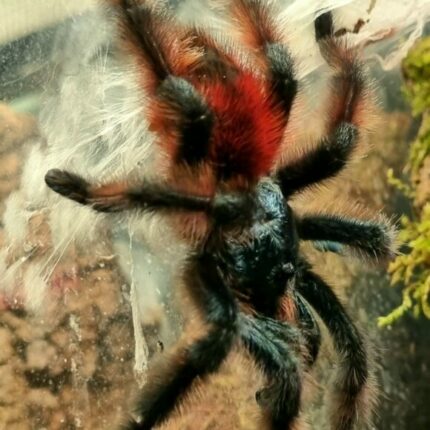
Psalmopoeus victori are neither perpetual recluses nor showboating extroverts. You’ll often spot them peeking from their retreat in the early morning or evening, or actively webbing and hunting at dusk—a treat for night-owl keepers. Slings and juveniles are a touch bolder, while adults tend to be more reserved. With clever enclosure setup, you can encourage them to build retreats in visible areas for regular glimpses of their striking ‘Darth Maul’ colouration. If you appreciate quality over constant visibility, P. victori won’t disappoint.
Experience Level
Psalmopoeus victori are best enjoyed by keepers who have a couple of species under their belt—intermediate level, ideally. Their speed can startle beginners and their arboreal habits require more careful enclosure design. That said, they’re not overly defensive or challenging, so a confident keeper ready for an active, webby, and rewarding tarantula will thrive. If you’re on step two or three of the tarantula ladder and want some excitement, they’re an excellent choice.
Webbing
Webbing is where P. victori brings the drama. These tarantulas love to transform their enclosures, creating elaborate silk tunnels and retreats tucked artfully in the upper corners, behind cork bark or under foliage. The web serves as both home and hunting ground—a place to pounce on prey or vanish from nosy keepers. Compared to Avicularia, their webbing is denser but not a total silk carpet. Slings are especially industrious, often webbing the place to within an inch of its life. For display, nothing beats watching them spin late at night.
Feeding
Psalmopoeus victori aren’t picky when it comes to food, and their feeding response is usually quick and decisive. Slings will relish pinhead crickets or fruit flies 2–3 times a week—just ensure prey isn’t much bigger than their body. Juveniles do well with small locusts, mealworm segments or medium crickets every 5–7 days. Adults thrive on large crickets, adult locusts, dubia roaches, or the occasional treat of a waxworm, with 7–10 day intervals between meals. It’s best to feed in the evening, when they’re feeling most predatory. Remove uneaten prey promptly; these spiders dislike intruders lingering and old food encourages mould (not to mention jump scares at cleaning time). Watch for plump abdomens and reduce feeding if your spood is starting to resemble a Christmas pudding—overfeeding is a common beginner mistake.
Enclosure Recommendations
Psalmopoeus victori require a secure, vertically oriented enclosure with excellent cross-ventilation. Think Exo Terra Nano Tall for adults or clear acrylic cubes with side vents for juveniles. Provide at least 30cm tall by 20cm wide as adults—more is always welcome for their acrobatics. Add 6–8cm of moisture-retentive substrate (coco fibre or soil), a sturdy vertical cork bark slab for retreat building, and leafy fake plants or moss for added cover. A water dish is a must at all stages. Avoid cramped spaces with poor ventilation; humid, stuffy boxes equal stressed spiders. They’ll make their own hides, but a bit of starter cork or a ready hide lets them settle more quickly. Always check security—these long-legged athletes could win gold in the escape Olympics.
Final Thoughts
Psalmopoeus victori are a lovely mix of wild looks, webbing antics and just enough attitude to keep things lively (without being a menace). Their excellent feeding response, athleticism, and willingness to transform their enclosures make them a brilliant project for intermediate keepers. If you’re not after a permanent display animal, but rather a smart, energetic and visually stunning spider with the potential for years of companionship, they’re a smart pick. Provide proper vertical space and humidity, and you’ll be treated to secretive but rewarding glimpses—as well as the occasional ‘where did it go?!’ moment. They sit perfectly between common Avics and the more intimidating Pokies, making them a cherished addition to any serious collection.
Species-specific guidance
Frequently Asked Questions
Is Psalmopoeus victori suitable for beginners?
Psalmopoeus victori is best suited to keepers with some prior tarantula experience, especially those used to quick or arboreal species. Their speed and acrobatic antics can catch out the unwary, particularly during enclosure maintenance or rehousing. Confident hobbyists will find them rewarding, but absolute newcomers should start with a slower, more docile species.
How big does Psalmopoeus victori get as an adult?
Adult female Psalmopoeus victori can reach an impressive 14–15 cm diagonal leg span, with males generally a bit smaller at 10–12 cm. Expect a trim, athletic spider rather than a chunky terrestrial—mature females are quite striking, especially with their bold olive-and-orange coloration.
What is the temperament and defence strategy of Psalmopoeus victori?
Psalmopoeus victori is fast and can be defensive if provoked, often opting to bolt into a webbed retreat rather than stand its ground. They don’t have urticating hairs, but can bite if extremely stressed. Their main defence is speed—expect sprinter-level retreats, so always take care during maintenance. The Spoodoire does not endorse handling of any tarantula.
How quickly does Psalmopoeus victori grow?
Psalmopoeus victori has a medium to fast growth rate, especially when kept warm and well-fed. Slings moult every couple of months and can grow noticeably within a year. Growth slows after maturity, but you might be surprised how quickly that tiny sling becomes a leggy, colourful showpiece.
What is the feeding response and diet for Psalmopoeus victori?
Psalmopoeus victori has an enthusiastic feeding response—prey rarely lasts long! Adults take crickets, locusts, dubia roaches, and the odd mealworm. Slings do well with pinhead crickets or fruit flies. Feed slings every 4–5 days and adults weekly. Remove uneaten prey after a day, especially if your spider is in pre-moult or has recently moulted.
What humidity and moisture levels does Psalmopoeus victori require?
Maintain a humidity of 65–75% for Psalmopoeus victori, mimicking their damp Mexican forest habitat. Achieve this with regular light misting and a clean, full water dish. Good cross-ventilation is vital—aim for a balance between moisture and fresh air rather than a swampy enclosure. A digital hygrometer ensures things stay on track.
What type of enclosure does Psalmopoeus victori need?
Psalmopoeus victori thrives in a tall, well-ventilated enclosure—30x30x45 cm for adults is ideal. Provide vertical décor such as cork bark tubes, branches, and artificial foliage for climbing and webbing. At least 5–10 cm of absorbent substrate helps maintain humidity. Excellent cross-ventilation is crucial, and a secure lid will outwit their escape artistry.
Is Psalmopoeus victori a visible or secretive species in captivity?
Psalmopoeus victori is reasonably visible for an arboreal tarantula. They often sit in their webbed retreats and can be seen peeking out, especially in the evening and at feeding time. While they may hide during the day, regular glimpses of their activity make them a lively display species in a well-set enclosure.

Reviews
There are no reviews yet.