

Breeding Notes
Psalmopoeus victori
Mexican half and half
Also known as: Half and Half Tarantula
Species-specific breeding guidance, seasonal context and practical caveats for experienced keepers.
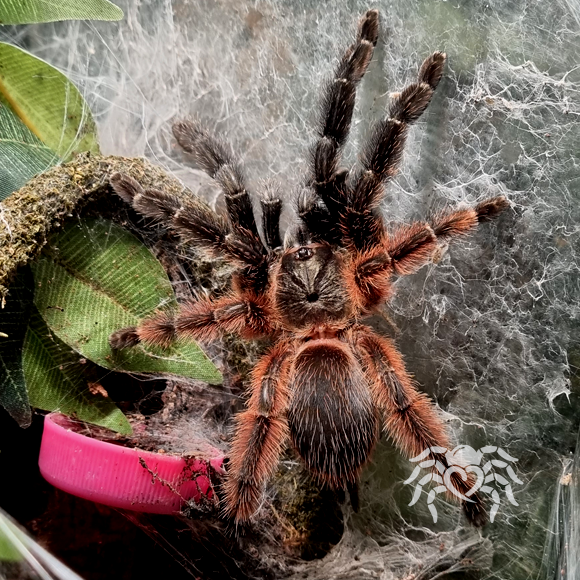
Species breeding reference
Breeding Notes
Breeding Psalmopoeus victori is not for the faint of heart. Success relies on careful timing, precise environmental tweaks, and a good eye for spider behaviour. The payoff is the chance to raise a rarely-seen arboreal species, but patience is essential and results can be unpredictable. Only attempt this pairing if you’ve got previous arboreal breeding experience and are comfortable dealing with fast, sometimes feisty tarantulas.
Breeding information for this species is a bit thin on the ground, so this guidance is based on the best available reports, native climate clues, and sensible keeper caution.
Wild Breeding Season
Precise wild breeding timing remains unclear for this species, but given its tropical home in eastern Mexico, breeding activity likely coincides with the region's wetter months when conditions are balmy and humidity tends to peak. This lines up with late spring through to late autumn, though in the wild, rainfall and food availability could see them pairing nearly year-round.
Wild Environmental Triggers
In its natural haunts, high humidity with seasonal peaks during prolonged wet spells appears to play a part in activity and possibly breeding. Warm, stable temperatures and increased prey during these times may prompt females to be receptive to males and start building egg sacs.
Native Climate Context
Psalmopoeus victori comes from steamy tropical lowland forests in Veracruz, where temperatures float between 23–29°C and humidity hums along at 77–87% throughout the year, with especially heavy rain from June to November. Their environment is lush and consistently humid, with only slight seasonal dips rather than sharp swings.
Captive Breeding Window
Reports suggest best results come from pairing during or after a brief increase in humidity and a slight bump in temperature to mimic the onset of the wet season. Aim to pair them in late spring or early summer when they're freshly moulted, but avoid extremely cold or dry spells.
Pre-pairing Conditioning
Ensure both spiders are well-fed and freshly moulted, with the female having had at least six weeks to recover from her last moult. A period of increased misting and live prey in the weeks before pairing can help set the mood, making the female more receptive and less likely to see the male as dinner.
Male Introduction Guidance
Introduce the male in the evening when both spiders are most active. Place him at the top of her enclosure to let him pick up on her cues and approach cautiously—these two are quick, so keep your wits about you. Removing excess webbing and feeding the female beforehand can help reduce aggression. If no interest or defensive behaviour is shown, separate and try again in a few days.
Female Readiness Signs
A receptive female may become more visible or linger nearer her web entrance, sometimes producing fresh webbing or leaving a scent trail. If she’s settled and not in pre-moult, and has accepted recent meals, she’s usually ready. Aggression, frantically retreating, or defensive displays mean it’s not the right time.
Post-pairing Conditions
Keep the enclosure warm and humid following pairing, with a slight increase in misting and minimal disturbance. Reintroduce live insects to encourage feeding, but don’t overdo it—just enough to keep her comfortable while she decides if an egg sac is on the cards.
Sac Timeline
Exact timings vary, but expect a wait of four to eight weeks after pairing before a sac appears if all goes well. Incubation times for Psalmopoeus species can differ, so keep an eye out for her starting to web up, grow reclusive, or brood a new sac.
Incubation Notes
Females typically guard the sac in a heavily webbed retreat high in the enclosure. Remove the sac for artificial incubation about 25–30 days after production if you plan to intervene, or leave it with her for another week or so if she’s not disturbed. Humidity should be kept high, with good air flow but no direct misting.
Expected Sling Count
Expect anywhere from 50 to 120 spiderlings per sac, though reports vary with the age, condition, and size of the female. Numbers are generally a bit lower than some other Psalmopoeus species, but this can swing quite a bit between batches.
Risks and Cautions
Pairings can turn combative fast, with serious risk to the male and even the female if rushed. Watch carefully—these are quick, arboreal spiders. Premature removal of the sac or trying to handle the slings too early often leads to poor outcomes. Captive genetics are still quite shallow, so avoid inbreeding where possible and don’t breed if unsure of your spiders’ origins.
Evidence confidence: Low