

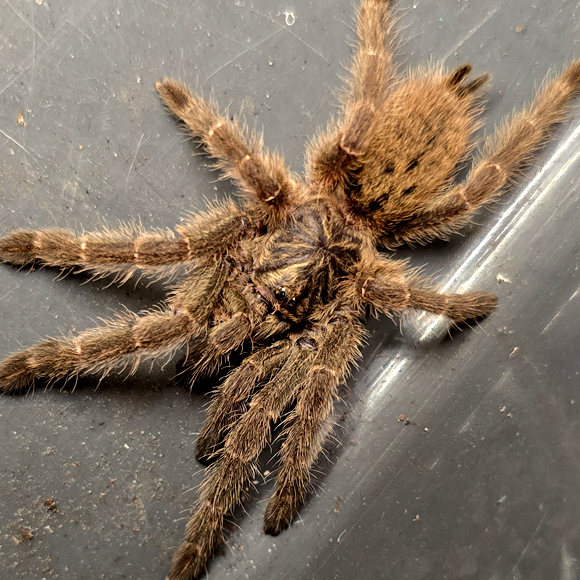
Pterinochilus murinus TCF
Price range: £7.00 through £30.00
Builds web tunnels like it’s plotting an escape, then sulks underground until dinner. Approach with respect—this one has no time for indecisive keepers or loose enclosure lids.
| Weight | 400 g |
|---|---|
| Dimensions | 16 × 16 × 16 cm |
Tell me when it is available
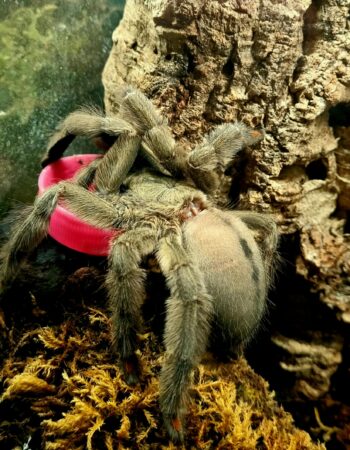
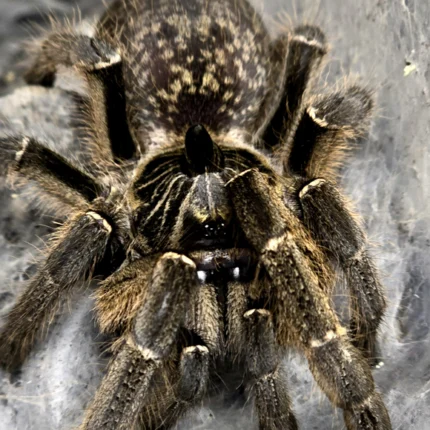
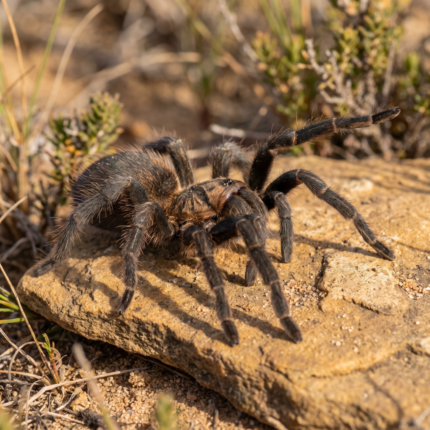
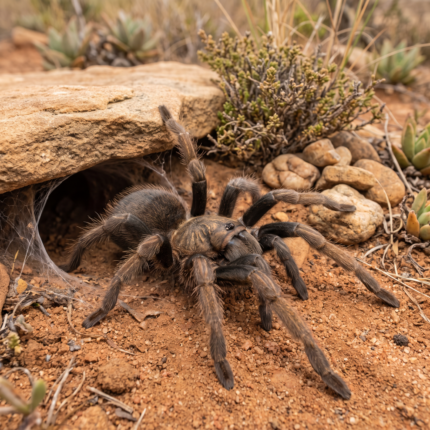
Pterinochilus murinus TCF—known in the hobby as the Orange Baboon Tarantula or “OBT”—has likely webbed its way into every seasoned keeper’s collection (and nearly under their lids). Endemic to East Africa, this species is equally at home burrowing deep below the surface or weaving formidable silken barricades right in plain sight. Give them a decent depth of substrate, a snug hide, and you’ll soon have a bustling network of tunnels, web curtains and a spider that occasionally graces you with a glimpse.
This isn’t a species for casual handling—in fact, it’s best left strictly as a display animal. OBTs are notorious for their speed and defensive temperament and aren’t at all shy about flashing a threat pose if you overstep your welcome. Many spend long stretches hidden in their fortresses, then emerge at dusk or after a heavy rain to do a lap of their enclosure or set up another web trap.
Growth is active, especially in males, who mature quickly and dash through life in a few short years. Females, on the other hand, can see out a good decade or more if well cared for. With their vibrant appearance, robust webbing, and fierce feeding response, they’re endlessly entertaining (if you enjoy glimpsing orange legs vanishing at improbable speed).
This is not a species that demands high humidity: keep it dry, provide solid ventilation, and avoid heavy misting. They’re hardy and tolerate a good range of temperatures, as long as things don’t get too cold or damp. Feeding is straightforward—juveniles and adults alike have healthy appetites, though uneaten prey should be removed promptly. Enclosure setup is simple but must be secure, as escape artistry is somewhat of an OBT pastime.
All in all, P. murinus TCF offers a masterclass in web architecture, bold colour, and general chaos (in a well-managed sort of way). Not for the faint of heart or the beginner, but a classic for those who appreciate a bit of drama—best admired from a safe distance, mug of tea in hand.
Only logged in customers who have purchased this product may leave a review.
UK Market Insight
Neutral UK availability and pricing context for this exact Species record.
Species care guide
Pterinochilus murinus TCF
Adult Size
12–15 cm diagonal leg span
Temperature
22–26°C
Humidity
50–65% RH
Temperament
Let’s not sugar-coat it: Pterinochilus murinus are notorious for their fiery personalities. They’re not the tarantula you’d want to introduce to Granny’s lap—quick to show off their legendary threat pose and absolutely not shy about making a dash for freedom if annoyed. While beautiful and endlessly fascinating, they are best admired from a safe distance. Some individuals seem to be on a mission to redefine ‘defensive’, while others are content to hide or vanish into their tunnel network. Respect their space, move slowly, and enjoy the drama—just keep those lids on tight!
Defence
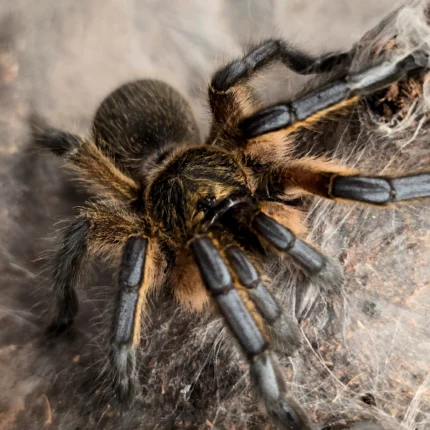
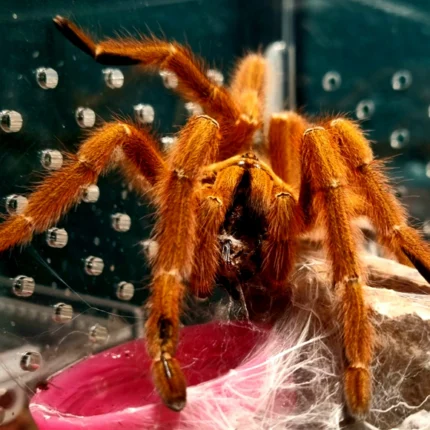
When they feel threatened, Pterinochilus murinus are quick to rear up, baring fangs and showing off their striking colouring—think of it as an orange stop sign for would-be annoyers. They do not possess urticating hairs, so their main defence is speed and attitude. If pressed, they’ll bite readily, and their venom is reputedly potent—painful, though not medically significant in most humans. To stay out of the ‘bitey’ zone, avoid unnecessary disturbances and always use catch cups or long tools when working in the enclosure. Trust us—OBTs always mean business.
Visibility
P. murinus are a bit of a wild card. Some individuals spend weeks in their fortress of webs and tunnels, popping out only at mealtime or when the mood strikes (think: ninja tarantula). Others boldly web across every visible surface and will strut around their domain, especially at dusk or during rainy weather. Once settled, their magnificent webbing offers plenty of display value, even if the spider itself is playing hard to get. Keep your camera ready, because when they appear, it’s always a spectacle.
Experience Level
This species is best suited for intermediate to advanced keepers. Their speed, defensiveness, and determination to redecorate with silk make them thrilling but challenging pets. Pterinochilus murinus are definitely not recommended as a first tarantula, but they are a mainstay of any serious collection and brilliant for keepers who want to see what a truly high-energy African species can do. If you’re looking for something to handle or cuddle, look elsewhere—but for pure character and web-artistry, you can’t go wrong.
Webbing
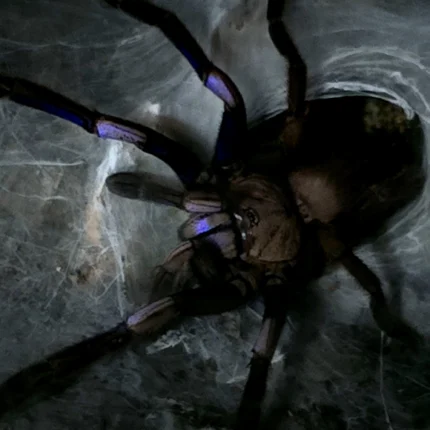
Pterinochilus murinus are among the most impressive webbers in the hobby. Give them an inch and they’ll spin you a three-storey mansion complete with tunnels, curtains, and the occasional bit of abstract art. They use webbing to line their burrows, construct retreats, anchor moulting mats, and as alarm systems to detect vibrations from prey (or nosey keepers). Watching an OBT at work is like having a tiny, irritable architect on your shelf—a joy for anyone who appreciates grand designs in miniature.
Feeding
Pterinochilus murinus are voracious eaters with the appetite to match their attitude. Slings thrive on pinhead crickets, fruit flies, or pre-killed mini mealworms—a couple of meals per week helps spur growth. Juveniles graduate to small locusts or larger crickets, fed once or twice weekly. Adults will demolish full-sized locusts, roaches, or a handful of crickets every week or ten days—don’t overdo it, as a chunky OBT can go off food before a moult. Their feeding response is lightning fast! Remove uneaten food within 24 hours to prevent stress or injury, especially during moulting. Common mistakes include overfeeding, leaving prey running loose for days, or letting humidity spike from uneaten live food. For best colour and condition, offer a varied diet while keeping water available at all times.
Enclosure Recommendations
Your Pterinochilus murinus will thrive in a secure, escape-proof enclosure with excellent ventilation. Plastic or glass tubs with tight-fitting lids are ideal—just add plenty of holes for airflow. Substrate should be 10-15cm deep (think topsoil mixed with a bit of sand or coco fibre, kept mostly dry). Add a chunk of cork bark or ceramic hide on one end, and let your OBT decide whether to dig or web. A shallow water dish is essential, even if it fills with silk daily. Don’t forget to anchor décor, as OBTs are powerful tunnelers. Avoid using sponges or moss, and don’t overcrowd the enclosure with clutter—leave space to observe the beast in action. For juveniles, smaller tubs keep feeding easy and stress low, but always upsize as they grow. Check for potential escape routes, and expect frequent redecorating. They like to keep us on our toes!
Final Thoughts
Pterinochilus murinus TCF is a hobby legend for a reason: stunning colours, outrageous webbing, and more personality than some people. They’re an absolute treat for those ready to respect their boundaries and enjoy tarantula keeping from behind glass. The challenges—mainly speed, defensiveness, and escape artistry—are balanced by their hardiness, low moisture needs, and the sheer spectacle of their silk masterpieces. If you want to see what tarantula keeping is all about, few species offer as much drama and beauty in one bright-orange package. Just remember: this is a spider for watching, not handling, and makes for a brilliant centrepiece in any intermediate or advanced keeper’s collection. Come for the looks, stay for the antics!
Species-specific FAQs are not available yet.


Reviews
There are no reviews yet.