

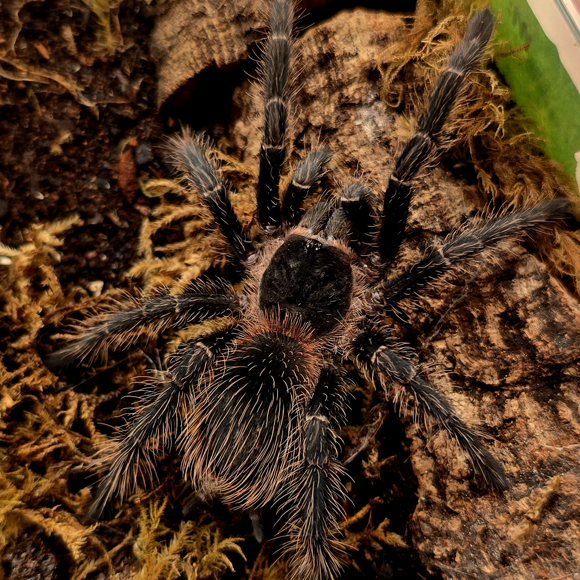
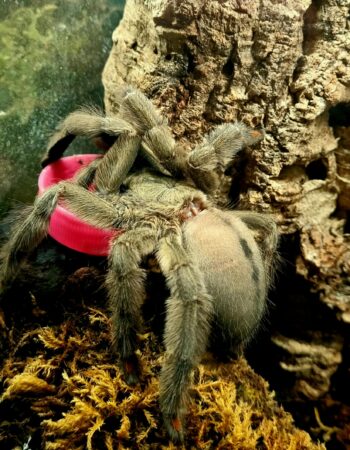
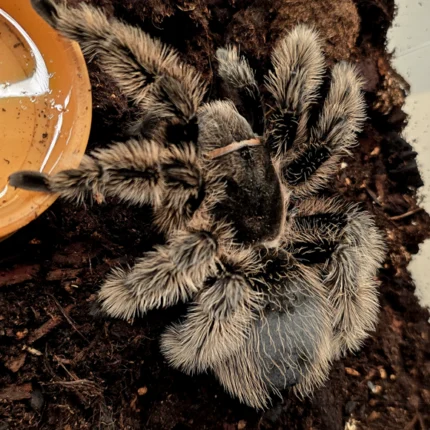
Lasiodora klugi
Price range: £8.00 through £30.00
Confident, hefty terrestrial from Brazil; visible, bold, with a healthy appetite. Suits keepers with some tarantula experience who value presence over subtlety.
| Weight | 60 g |
|---|---|
| Dimensions | 5 × 5 × 5 cm |
| Size | 9cm |
| Sex: | Unknown |
| Life Stage | Grown on spiderling |
Tell me when it is available
Lasiodora klugi brings a certain presence to any collection – not least because of its bulk and fondness for being out in the open. This is a terrestrial species from eastern Brazil, happiest striding about on the surface rather than ascending to great heights or vanishing into endless tunnels. You’ll see little evidence of web artistry, but there’s usually a dusting around favoured hides or feeding spots. Their appetite is, frankly, insatiable: juveniles and adults alike rarely decline a meal. That’s helpful if you like observing active feeding behaviour, slightly less so if you’re after a delicate eater.
Growth is rapid by tarantula standards, especially with regular feeds and steady warmth (22–26°C suits them well; best not let things spike above 28°C too often). Humidity should stay around 65–75% RH, though ‘damp not drenched’ is the spirit. They seem content with modest substrate depths but appreciate a decent hide and room to stroll. Visually, even smaller specimens carry themselves with the attitude of much larger spiders; by maturity, their size and mahogany tint will attract more comments than your choice of décor.
Personality-wise, they’re not retiring: confident, occasionally dramatic, and more than capable of hurling urticating hairs if you’re getting ahead of yourself during maintenance. Actual bites are rare, but gloves and a sensible pace pay dividends. Expect to see them out and about barring pre-moult sulks. If you have experience with terrestrial tarantulas and fancy a reliable display species that feels like it might actually own your spider room, L. klugi is hard to beat. Just be prepared to respect its boundaries and invest in a sensible enclosure – these spiders can shift surprising amounts of décor if the mood strikes.
Only logged in customers who have purchased this product may leave a review.
UK Market Insight
Neutral UK availability and pricing context for this exact Species record.
Species care guide
Lasiodora klugi
Adult Size
18–20 cm diagonal leg span
Temperature
22–26°C
Humidity
65–75% RH
Temperament
Lasiodora klugi has a reputation for boldness and a touch of drama—think of them as the soap actors of the tarantula world. Most settle for impressive threat postures and a short, sharp kick of those infamous urticating hairs when they’re feeling grumpy. Speed-wise, they’re no Olympic sprinters, but they can move swiftly enough to keep you on your toes during routine maintenance. Generally, they’re visible, confident spiders with a bit of attitude; not the best pick if you want a lap tarantula, but fascinating to watch in action.
Defence
When annoyed, Lasiodora klugi prefers to hurl clouds of urticating hairs rather than launching forward—these tiny barbed bristles can cause itching and irritation, so keep your face and hands away when poking about. Threat postures (leg-raising and fang-flashing) are common, but actual biting is rare if you respect their boundaries. Wearing gloves and working slowly during enclosure maintenance keeps everyone happy (and itch-free). Treat them with the respect due an animal with built-in pepper spray.
Visibility
If you’re after a showstopper, look no further. Lasiodora klugi spends plenty of time out and about, both during the day and in the evening. They’re not shy about lounging in the open, especially once they’ve settled in. During pre-moult, you may see more hiding, but most of the time they’re happy to play centre stage in your display. New keepers in particular adore them for their size and confidence—just don’t expect much in the way of elegant web decorations!
Experience Level
Lasiodora klugi is a marvellous choice for keepers with a bit of tarantula experience under their belt—think intermediate rather than outright beginner. Their size and food response can be intimidating, and defensive displays can rattle the unprepared. That said, their needs are straightforward, they rarely bolt unexpectedly, and their behaviour is easy to read. If you’ve kept a few terrestrials already and fancy a true display giant, the klugi is a fine step up.
Webbing
These spiders may dabble in a bit of webbing here and there, mostly around their hide or feeding spots, but don’t expect elaborate tunnels or frothy curtains. A light dusting on the substrate is their style, useful for alerting them to prey or letting you know which bit they’re calling home this week. If you’re after wild web works, look elsewhere—but if you appreciate a neat, mostly visible tarantula, you’re in luck.
Feeding
Lasiodora klugi has what can only be described as a legendary appetite. Slings will polish off appropriately sized crickets, fruit flies, or roach nymphs 2–3 times per week. As they grow past the leggy toddler stage, feeders can get bigger (medium-to-large crickets, dubia roaches, occasional locusts), with feeding reducing to once per week or so for juveniles, and every 7–14 days for adults. They rarely refuse a meal, but don’t go overboard—watch their abdomen size and skip a feeding if they look plump. Always offer pre-killed prey if you’re unsure about size, and never leave live food in after a refused meal or near moulting. Overfeeding can cause issues with sluggish behaviour and messy enclosures, while underfeeding slows that impressive growth. Enjoy their enthusiastic hunting (from the comfort of your side of the glass) and watch them balloon up after big feeds.
Enclosure Recommendations
Start with a sturdy, escape-proof enclosure with a minimum 50x40 cm footprint for adults—the bigger, the better for these behemoths. Lay down at least 10–15 cm of compactable substrate (coco fibre, topsoil or a mix), which gives them the option for shallow burrows if they so wish. Add a large hide (cork bark, half-log, or upcycled crockery), and ensure there’s always a fresh, shallow water dish—these spiders really do drink. Ventilation must be sufficient for healthy airflow without causing drafts. Heavy décor works well, as klugi can shift surprisingly hefty objects. Avoid vertical climbing surfaces; they're prone to falling. Regular cleaning, spot checks, and removing uneaten prey are part and parcel with such a big, active tarantula.
Final Thoughts
Lasiodora klugi is the tarantula equivalent of an impressive Sunday roast: big, bold, and guaranteed to get your guests talking. Their imposing size, fearless display behaviour, and hearty appetite make them a staple of ‘must-see’ collections for a reason. Enjoy them for their reliability, visibility, and occasional comical defensive antics. Just steer clear if you’re not keen on urticating hairs or get the nervous jitters from a spider that acts like it owns the place (because it does). Provide for their basic needs, respect their boundaries, and you’ll have a charismatic eight-legged companion for many years.
Species-specific FAQs are not available yet.
Related products


Reviews
There are no reviews yet.