

Breeding Notes
Caribena versicolor
Antilles pinktoe tarantula
Also known as: Martinique pinktoe, Martinique pink toe, Antilles tree spider
Species-specific breeding guidance, seasonal context and practical caveats for experienced keepers.
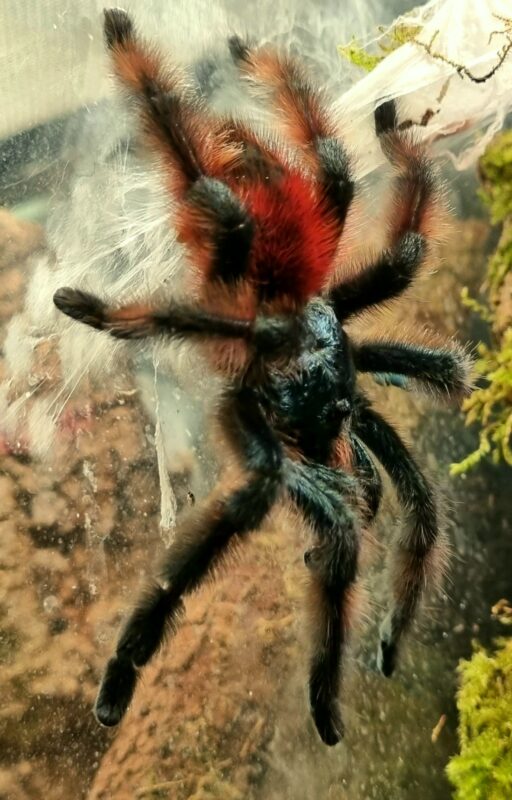
Species breeding reference
Breeding Notes
Not the hardest spider on Earth to pair, but certainly no walk in the park. Keepers who nail the warm, humid, well-ventilated conditions and time their pairing to mimic the rainy season tend to have the most luck. Expect some trial and error—and always have spares if you’re relying on the outcome.
Wild Breeding Season
There's not much solid evidence for a strict wild breeding season for Caribena versicolor, but given their steady tropical climate with only minor seasonal shifts, they likely mate throughout much of the year, possibly with a nudge when rainfall is higher during the wet season.
Wild Environmental Triggers
Breeding seems loosely tied to the wetter and slightly warmer months (roughly June to October) when humidity climbs and there's more rain—a boost for arboreal webs and prey. Otherwise, their balmy treehouse lifestyle doesn’t change much year-round.
Native Climate Context
Martinique’s climate is a classic warm, humid Caribbean blend: 22–26°C for most of the year, humidity hovering around 80–86%, with regular rain and few real extremes. In the wild, these spiders thrive in leafy heights high above the forest floor, rarely venturing down unless forced.
Captive Breeding Window
Captive breeding can be attempted any time temperatures and humidity are running on the high side, but you might get best results by mimicking wet season conditions—raising humidity and offering slightly more frequent light mistings.
Pre-pairing Conditioning
Feed both adults well but avoid overdoing it, as excess weight can put the male at even more risk. Offer steady warmth, extra humidity, and a settled, undisturbed environment in the fortnight leading up to introductions. A mature female should be at least one good meal past her last moult.
Male Introduction Guidance
Introduce the male late in the day when light is low. Let him explore the female’s enclosure under supervision—there’s often a lot of webbing for him to pick his way through. Have long tweezers or a soft paintbrush handy in case you need to rescue him, as females can be unpredictable. Don’t leave them unattended overnight.
Female Readiness Signs
A ready female usually sits in or near her web tunnel, well-fed and alert, showing no signs of pre-moult. If she’s restless, aggressive or freshly moulted, give her more time. Some report females showing more tolerance of the male when humidity is up and feeding has been regular.
Post-pairing Conditions
After a successful pairing, keep environmental conditions steady: warm (around 24–26°C) with high humidity and good ventilation. Resist over-misting, but make sure she has water and isn’t disturbed for a solid few weeks. Reduce feeding to avoid sac-eating due to food competition in the web.
Sac Timeline
Reports are varied, but most keepers notice egg sac construction about 4–8 weeks post-pairing. Assume an incubation window in the ballpark of 6–8 weeks before spiderlings emerge, but be aware timing depends heavily on temperature and the individual female.
Incubation Notes
Once the sac is made, you can either leave it with the female (but check daily for signs of cannibalism or sac neglect) or pull it for artificial incubation at around 30 days. Either approach needs care: stable warmth, steady but not swampy humidity, and zero disturbance are critical if you don’t want to lose the lot.
Expected Sling Count
Expect anything from 70 to well over 130 spiderlings per sac, but this can fluctuate wildly depending on the mother and conditions. If all goes well, you could have your hands very full indeed!
Risks and Cautions
Caribena versicolor are prone to stress and often eat their sacs if disturbed too much, humidity dips, or prey is left in the enclosure. Males are at high risk with some females, and unsuccessful pairings are common. Never treat it as a sure thing. Beginners may find the fragile slings tricky to rear past the fragile first few moults. Be cautious, go slow, and have a back-up plan for male safety every time.
Evidence confidence: Medium