

Breeding Notes
Acanthoscurria geniculata
Brazilian whiteknee tarantula
Also known as: Brazilian giant whiteknee, giant white knee, whiteknee tarantula
Species-specific breeding guidance, seasonal context and practical caveats for experienced keepers.
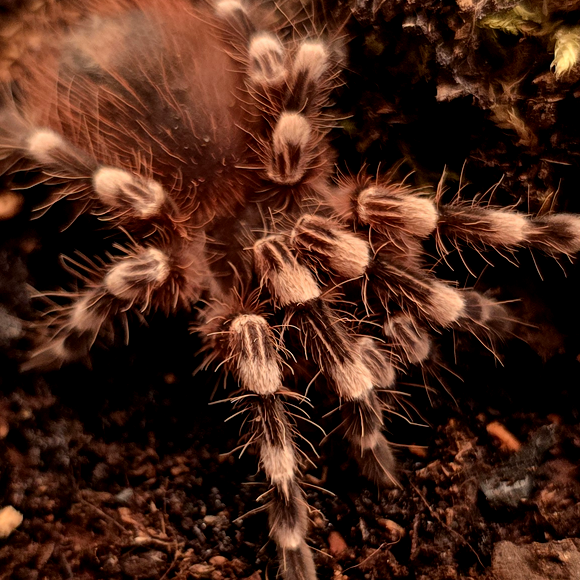
Species breeding reference
Breeding Notes
Acanthoscurria geniculata can be bred in captivity with a bit of planning and a close eye on conditions. Timing is best matched to their natural rhythms—simulate the rainy season, make sure your female is fit and fed, and supervise all pairings. Prepare for a potentially large number of slings and don’t expect every pairing to go smoothly, but with patience and a spider-savvy attitude, you’ve got a fair shot at success.
Wild Breeding Season
The wild breeding season for Acanthoscurria geniculata isn’t nailed down to a specific month, but in their Amazon home, most large spiders time their reproductive efforts with the arrival of wetter, warmer months. In this region, the wet season tends to kick off from December and carries on into April, with higher humidity and rainfall.
Wild Environmental Triggers
Rising humidity, more frequent storms, and warmer temps all seem to set the scene for breeding in the Amazon. These conditions encourage females to emerge from hiding and males to wander further in search of mates. It’s thought these triggers signal a boost in prey and better odds for the next generation.
Native Climate Context
A. geniculata thrives in the ever-moist, warm climate of the Brazilian Amazon. Think steady warmth, high humidity, and bursts of heavy rain—no freezing nights or bone-dry days. The forest floor is rarely truly dry, but rainfall and humidity both peak during the wettest stretch of the year, giving these spiders a steady, nurturing environment for breeding and raising young.
Captive Breeding Window
In captivity, successful pairings for this species often align with a simulated 'rainy season'—raising humidity and slightly nudging up nighttime temperatures in late winter or early spring. Breeders usually wait until the female is fresh from moulting and looking well-fed before pairing.
Pre-pairing Conditioning
Give your female a bit of a pampering before pairing—plenty of food, fresh water, and a quiet, stress-free setup. Mimic that subtle shift to 'rainy season' by boosting humidity, and let the female go several months without disturbance after her latest moult before introducing a male.
Male Introduction Guidance
Best to introduce the male in the evening, when both spiders are more relaxed. Place his enclosure near the female’s for a few days ahead of time so they can pick up on each other's scents. When you do make the introduction, keep a close watch—A. geniculata females often show strong feeding responses, so a well-fed female is a safer bet.
Female Readiness Signs
A plump, recently moulted female that’s actively webbing her enclosure and out and about on the surface is often a good sign she’s ready. Don’t try pairing if she’s in pre-moult or still acting sluggish after her last shed—a fresh moult and three or four solid feeds is a sensible rule of thumb.
Post-pairing Conditions
After a hopefully successful pairing, keep up those warm, humid Amazon vibes in her setup. Limit disturbances, offer steady food, and keep a watch for signs of burrow building or webbing—she’ll want to feel secure if she’s to lay a sac.
Sac Timeline
Exact sac timings vary, but females tend to drop sacs anywhere from 4 to 10 weeks after pairing if all goes well. She’ll guard the sac closely and may show a dramatic uptick in defensive behaviour during this time.
Incubation Notes
Leave the sac with the female for at least four weeks, as A. geniculata mothers generally do well caring for their eggs. Some breeders pull the sac at 30–40 days for artificial incubation—humidity and warmth are key. Take care not to dry out the eggs; they’re prone to desiccation in low humidity.
Expected Sling Count
Clutches can be generous, with 100 to 300 slings not unusual from a healthy, mature female.
Risks and Cautions
Encounters between male and female can be risky—these want-to-eat-everything ladies have claimed more than one suitor, so watch pairings and remove the male promptly after mating. Females should not be paired until fully recovered from moult; otherwise, the sac is likely to be dud. Err on the side of caution with humidity, as low moisture can lead to sac failure or dried out eggs. Eggsacs this size can occasionally have a high number of infertile eggs, especially if the female is old or underfed.
Evidence confidence: Medium