


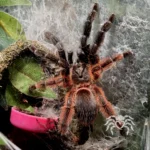

Phormingochilus hatihati
Price range: £7.00 through £45.00
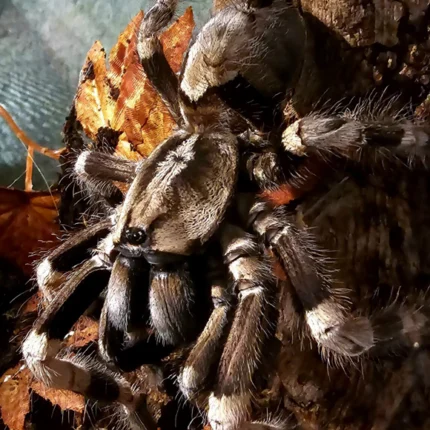
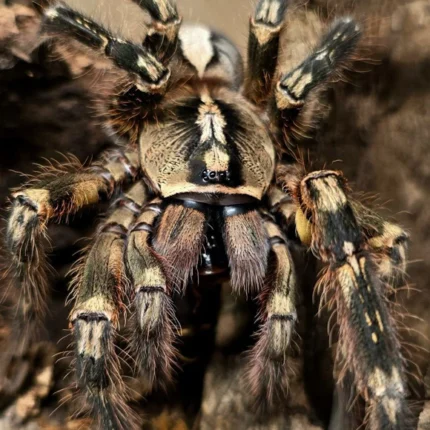
Phormingochilus hatihati is the definition of ‘stunning but sassy’. Not only are they visually striking, with metallic sheens and elegant build, but they’re endlessly fascinating to observe—when they grace you with their presence. They’re not the easiest in the hobby, but their bold webbing, feeding…
Tell me when it is available
Phormingochilus hatihati is the definition of ‘stunning but sassy’. Not only are they visually striking, with metallic sheens and elegant build, but they’re endlessly fascinating to observe—when they grace you with their presence. They’re not the easiest in the hobby, but their bold webbing, feeding antics and occasional dramatic walkabouts turn everyday husbandry into an event. Their husbandry requires care and confidence, particularly around speed, humidity and escape-proofing, but experienced keepers will find them utterly captivating. Approach with respect, patience and a steady hand, and your Sumatran sky-spider will be a centrepiece you’ll never tire of (even if you mostly see their legs sticking out of webbing). A true collector’s display, not a cuddly companion.
Only logged in customers who have purchased this product may leave a review.
Species breeding reference
Breeding Notes
Phormingochilus hatihati breeding in captivity is still for those with patience, experience, and a fondness for slow-burn projects. Reliable reports are few and far between, and wild breeding triggers aren’t fully understood, so you’ll need to rely on best practices from close relatives and keepers’ anecdotes. Seasonal humidity shifts, careful introduction, and pristine conditions give you your best shot—but expect a challenge and don’t cut corners. If you’re looking for a straightforward pairing, pick an easier spood.
Breeding information for this species is a bit thin on the ground, so this guidance is based on the best available reports, native climate clues, and sensible keeper caution.
Wild Breeding Season
There aren’t firm records for when Phormingochilus hatihati breeds in the wild, but judging by its Sumatran mountain home, rainfall and seasonal humidity shifts likely play a role in getting them in the mood. In such tropical regions, many arboreal tarantulas begin pairing at the tail end of the wet season when conditions are still humid but slightly cooler.
Wild Environmental Triggers
Seasonal increases in rainfall and a boost in ambient humidity—with a slight dip in temperature—seem to help trigger breeding in closely related species. Consistent warmth and natural daylight cycles keep these spiders in sync with their wild calendar.
Native Climate Context
Living up in the humid, misty Sumatran hills, these tarantulas are right at home with warm days, cooler nights, and plenty of moisture swirling about. Their breeding activity probably coincides with the transition from heavy rain to slightly drier, stable weather, making use of nature’s own cues to time things just right.
Captive Breeding Window
There aren’t confirmed ‘best months’ for pairing in captivity yet, but most success stories line up their attempts as the spider matures—often after simulated rainy spells followed by stable, comfortable conditions mimicking late wet season in Sumatra. Use this as a starting point, but expect some trial and error.
Pre-pairing Conditioning
Ensure both spiders are well-fed, hydrated, and have had a period of increased misting over a couple of weeks, then ease back to normal. This seems to help mimic the shift from the rainy season, giving your pair a gentle nudge in the right direction.
Male Introduction Guidance
Place the male into the female’s enclosure during the evening, ideally after the female’s had a recent meal. Loads of hiding spots and plenty of web anchors are a must—give the male a clear retreat route and watch closely for any signs of tension or aggression; these are not spiders for the hands-off breeder or the faint of heart.
Female Readiness Signs
A receptive female will usually tidy up her webbing and sometimes drum her legs or palps, but don’t expect a dramatic dance—some will simply tolerate the male’s approach. On the flipside, if she’s defensive or lunging, it’s best to remove the male and try again later.
Post-pairing Conditions
After pairing, return the enclosure to regular routines—steady warmth, high humidity, and low disturbance. Extra feeding and continued top-notch hydration help the female feel secure and ready for sac production.
Sac Timeline
There’s not enough firm evidence for exact timing, but close relatives often produce a sac within 4–12 weeks of a successful pairing. Be prepared for wide variability and patience is key; this isn’t an assembly line process.
Incubation Notes
Keep the enclosure moist but well ventilated and avoid disturbing the female or her webbed retreat. Humidity is crucial, but soggy substrate is a no-go. Interfering too soon can lead to the female destroying the sac, so peeking is strictly a no-no until the youngsters are expected.
Expected Sling Count
Reliable reports are scarce, but judging by similar arboreal Sumatran species, clutch sizes may range from 40 to 100 slings per sac—treat this as a cautious estimate, not a promise.
Risks and Cautions
Mature females can be defensive, and males may be at risk if not managed very carefully. Pairing is nerve-wracking and not for beginners—failed attempts, cannibalism, or barren sacs are possible even with good planning. If something feels off, separate the pair quickly and try again later. Don’t push your luck for an easy win.
Evidence confidence: Low
Species care guide
Phormingochilus hatihati
Adult Size
15–18 cm diagonal leg span
Temperature
23–26°C
Humidity
70–80% RH
Temperament
Not for the faint-hearted! Phormingochilus hatihati is feisty, fast, and rarely shy about making their opinions known. While not actively looking to joust with your forceps, they're more than willing to put on a threat pose or bolt with alarming speed if disturbed. Most keepers find them more reclusive than antagonistic, but their lightning reflexes and watchful nature mean this isn't a docile display pet. Best admired from the other side of the glass with a cup of tea in hand—just in case.
Defence
Forget urticating hairs—this Old World charmer relies on raw attitude. When annoyed, they’ll rear up, display those lovely fangs and make you reconsider every life decision involving your hand and their enclosure. Their preferred move, however, is a rapid retreat: blink and they’ll have vanished into their web tube before you can mutter ‘where’d they go?’ Always respect their space, use long tools, and remember: their bite packs a punch (though they rarely use it).
Visibility
Visibility is part art, part luck! Juveniles and adults alike web elaborately and often stay snug in their tube hides by day, venturing out more after dark. Pleasantly unpredictable, some individuals loiter out in the open while others remain strictly behind silk curtains. Feeding time often tempts them into view, and their stunning colours and web artistry make them a proper display specimen when they oblige. Just don’t expect them to put on a show for guests on cue—they’re divas, not dancers.
Experience Level
Definitely best suited to experienced keepers or bold intermediates looking to level up. Their speed, strong startle reflex, and high humidity requirements mean this isn’t an option for absolute beginners (or the faint-hearted). However, with patience, preparation, and healthy respect, anyone with a bit of prior arboreal experience will find this Sumatran showpiece an addictive challenge. For the novice just starting out—maybe try something less likely to test your reflexes first.
Webbing
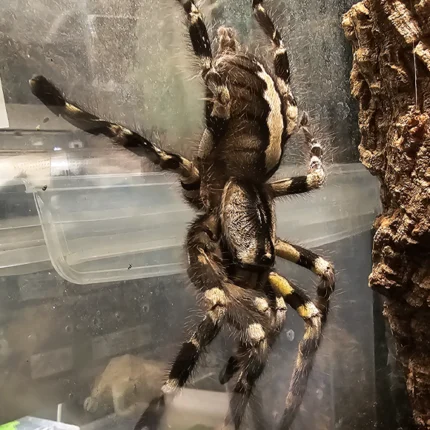
Webbing is this species’ artistic outlet. Expect a home that would make even the tidiest spider-mum proud: thick silk curtains, sprawling hammocks and intricate tube retreats laced through cork bark or decor. Their web tunnels offer security and make for great feeding platforms—prey foolish enough to wander close are swiftly seized. The webbing style is not as thick as some Avics or Psalmopoeus, but the complexity is captivating. Sit back and enjoy the creative renovation!
Feeding
Slings and juveniles will happily take on mini crickets, aptly-sized roaches or flightless fruit flies every 4–7 days. As they grow, step up to larger crickets, dubia roaches, locusts or even the occasional mealworm. Adults thrive on a hearty insect meal every 7–10 days, but keep portions sensible—these aren’t sumo wrestlers! A good rule of thumb: offer prey a bit smaller than the spider’s body length. Don’t leave uneaten food in overnight or overfeed; leftover bugs can stress or even injure your tarantula. Their feeding response is brisk and predatory—watch your fingers! Growth slows with age, so slings will moult like clockwork while adults are content to lounge between meals. Always remove uneaten food, especially before a moult, as your spider will be out of action and extra vulnerable.
Enclosure Recommendations
Arboreal all the way! Opt for a tall enclosure (at least 30cm high for adults) with secure, well-ventilated sides—cross-ventilation is a must. Provide plenty of vertical climbing opportunities: cork bark tubes, branches, and leafy faux plants are ideal. The substrate can be shallow (5–8cm) as they don’t burrow, but use something moisture-retentive like coco fibre or topsoil to support humidity. A sizeable water dish should be present at all times. Don’t skimp on hiding places—this species feels safest in a snug, elevated tube retreat. Make sure all decor is firmly anchored to prevent crushing or collapse during sprints. Avoid excessively wet substrate by letting the surface dry between sprays. Finally, invest in reliable enrichment: changing up the décor now and then keeps your hatihati feeling fancy (and you, entertained).
Final Thoughts
Phormingochilus hatihati is the definition of 'stunning but sassy'. Not only are they visually striking, with metallic sheens and elegant build, but they’re endlessly fascinating to observe—when they grace you with their presence. They’re not the easiest in the hobby, but their bold webbing, feeding antics and occasional dramatic walkabouts turn everyday husbandry into an event. Their husbandry requires care and confidence, particularly around speed, humidity and escape-proofing, but experienced keepers will find them utterly captivating. Approach with respect, patience and a steady hand, and your Sumatran sky-spider will be a centrepiece you’ll never tire of (even if you mostly see their legs sticking out of webbing). A true collector’s display, not a cuddly companion.
Species-specific guidance
Frequently Asked Questions
Is Phormingochilus hatihati suitable for beginners?
Phormingochilus hatihati is best kept by experienced or bold intermediate keepers. Its fast movements, strong startle reflex, and high humidity needs make it challenging for newcomers. This striking Sumatran arboreal is not a wise choice for beginners, but a rewarding addition for those with previous arboreal spider experience.
What temperament should I expect from Phormingochilus hatihati?
Phormingochilus hatihati is feisty and fast, not a placid display pet. While generally reclusive, it can show impressive speed and attitude when startled—think sudden threat poses or bolt-for-cover retreats. Admire from behind glass and always use long tools; this tarantula is better observed than interacted with. The Spoodoire does not endorse handling any tarantula.
How large does an adult Phormingochilus hatihati get?
Adult Phormingochilus hatihati reach an impressive 15–18cm diagonal leg span. Females are usually larger and more robust, while males are leggier and mature more quickly. Expect your once-small sling to rapidly grow into a striking and sizable display spider.
How quickly does Phormingochilus hatihati grow?
Phormingochilus hatihati shows a medium growth rate—faster than most terrestrial species but not the quickest among arboreals. Spiderlings grow briskly when kept warm and well-fed, with their pace slowing as they reach adulthood. Patience is needed, but the payoff is a beautiful, leggy adult.
What is the feeding response like for Phormingochilus hatihati?
Phormingochilus hatihati is a predatory feeder, quickly snatching prey from its web tunnel. Young spiders eat smaller insects every 4–7 days, while adults enjoy a meal every 7–10 days. Remove uneaten food promptly, especially before moulting, as leftover prey can stress or harm the spider. Feeding time is often the best opportunity to see this species in action.
What humidity levels do Phormingochilus hatihati require?
Aim for 70–80% relative humidity for Phormingochilus hatihati. Achieve this through regular light misting (avoiding the spider), a sizeable water dish, and maintaining good cross-ventilation. Let the substrate surface dry between sprays to prevent mould. High humidity with fresh airflow helps keep this species healthy in captivity.
What type of enclosure suits Phormingochilus hatihati best?
A tall, well-ventilated enclosure with cross-ventilation is essential. Offer plenty of vertical climbing options, such as cork bark tubes, branches, and secure artificial plants. Use a shallow, moisture-retentive substrate with a large water dish, and don’t forget snug, above-ground tube retreats. Ensure decor is stable to avoid collapsing during webbing or sprints.
How visible is Phormingochilus hatihati in captivity?
Visibility varies; some individuals lounge out while others remain hidden in elaborate silk tubes—especially during the day. They tend to emerge more after dark or at feeding time, and while not always on show, their webbing artistry is fascinating. Don’t expect them to perform for guests on command—they’re more diva than dancer!
Related products


Reviews
There are no reviews yet.