

Species Care Guide
Poecilotheria miranda
Bengal spotted ornamental tarantula
Also known as: Bengal ornamental, wonderful parachute spider
Last updated: July 10, 2026
Buy this species
Origin
Poecilotheria miranda, often called the Bengal Ornamental, hails from the lush forests of northeast India, particularly in the state of West Bengal—no prizes for guessing how it got its common name! Its natural habitat is subtropical and humid, with dense foliage and towering trees offering plenty of climbing opportunities. The local climate serves up warm temperatures and high humidity year-round, paired with a seasonal monsoon that absolutely drenches the region. In the wild, these beauties are at home in old, crevice-filled tree trunks where they can skilfully slink away from both predators and nosy tourists. It’s a slice of green heaven, but sadly their habitat is under threat, making their conservation in the hobby even more important.
Adult Size
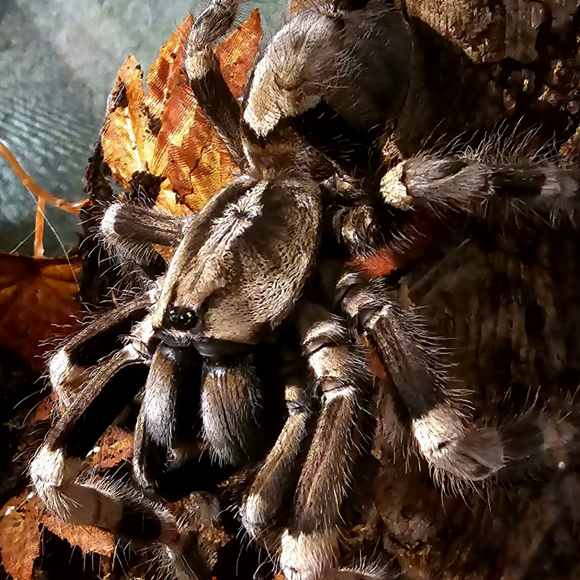
P. miranda matures to an impressive size, with females typically reaching around 16–18 cm diagonal leg span, and males slightly smaller and more spindly. Their legspan, paired with striking black, cream, and purple markings, gives them major presence in any collection (and possibly your dreams). Don’t expect rapid size gains overnight, but they do put on a fair bit of leg with each moult. Males, as per usual tarantula custom, are typically slimmer and mature faster, only to disappear all too quickly after their final moult. Females, on the other hand, are built for the long haul.
Lifestyle
This species is the definition of arboreal, meaning it prefers life off the ground and up in the trees—think of it as the parkour champion of tarantulas. In captivity, you’ll find P. miranda perched on bark, hanging upside-down, or cheekily peeking out from behind a cork tube. Unlike some terrestrials who dig in and disappear for months, these spiders love a vertical playground. Expect acrobatic sprints, gravity-defying stances, and clever use of hidey-holes. In short, they’re more at home climbing up your enclosure wall than kicking back on the forest floor.
Lifespan
As with many tarantulas, females are the long-lived matriarchs, easily pushing 12–15 years with proper care. Males, by comparison, are something of a tragic comedy—lucky to see 3–4 years, and often not much longer after becoming mature. Typical of the genus, males put all their energy into one last swanky moult and, unfortunately, don’t stick around for the afterparty. If you’re after longevity, definitely go for a female; the extra years mean more time to enjoy their stunning beauty (and their occasional moonlit sprints around the enclosure).
Growth Rate
P. miranda tends toward a moderate-to-fast growth rate, especially compared to their terrestrial relatives. Give them warmth and a steady supply of meals, and you’ll notice your sling shooting up to juvenile size before you know it. However, colder temperatures or underfeeding can slow them considerably, so don’t skimp on the care. They aren’t speed demons like some Poecilotheria cousins, but you certainly won’t be waiting half a decade for a decent display spider. Regular feeding and consistent warmth spur them on nicely.
Temperament
While not the psycho of the Poecilotheria world, P. miranda isn’t exactly Mr Calm either. They’re lightning fast, suspiciously clever, and much prefer flight to fight—usually darting into their hide at the slightest vibration. They rarely display aggression without significant provocation but can get twitchy if hemmed in or disturbed. They’re best admired, not annoyed, and make fantastic pets for those who enjoy watching rather than interacting. Quick on their feet and rarely predictable, they’re the Tarantino of tarantulas: always keeping you on your toes.
Temperature
Keepers should provide an enclosure temperature ranging from 22–26°C for P. miranda. A dip to 20°C at night won’t harm them, but below this, their appetite and activity might stall. On hot summer days, they can handle the warmth up to 28°C, provided there’s adequate ventilation and you’re not turning your spider into a roast dinner. If your home gets chilly in winter, a gentle heat mat on the side of the enclosure—or a heated room—is the way to go. Avoid direct heat sources, and always monitor temps with a reliable thermometer. Inconsistent temperatures can lead to slower growth or stress, so aim for stability over extremes.
Humidity
Poecilotheria miranda favours a humidity range of 65–75% RH, mimicking its monsoonal homeland. Achieve this by moistening half the substrate and allowing the rest to dry out, offering the spider a choice—because everyone likes options, even spiders. Water bowls are essential for hydration; even arboreal species will wander down for a drink. Use good cross-ventilation to prevent stagnant air, which can raise the risk of mould and mites. Overly soggy enclosures are a no-no; it’s about balance—think moist but not marshy, with regular misting and good airflow.
Visibility
Visibility with P. miranda is generally high for an arboreal tarantula. Slings and juveniles might spend a bit more time hidden, but adults are often seen lounging out in the open on bark or glass, especially in the evenings. With their unique habit of chilling upside-down, you’ll often catch a glimpse—or get a heart-stopping surprise—when they decide to cruise around the enclosure. Their dramatic postures and striking colours make them top-tier display spiders, provided you give them a comfortable and secure setup.
Webbing
P. miranda doesn’t web like a GBB having a sticky-themed party, but it certainly uses silk to its advantage. Expect to see a lightly decorated retreat—usually within a cork tube or behind some bark—and a scatter of webbing to shore up chosen hiding spots. Their webbing serves as both a tripwire for prey and a warning system for looming keepers. While not blanket webbers, their judicious use of silk means you’ll always have a bit of artistry on show, just don’t expect a full-blown hammock across the branches.
Feeding
Slings enjoy a diet of appropriately-sized crickets, roach nymphs, or even confused fruit flies if very tiny. Feed slings 2–3 times per week, providing prey no bigger than the spider’s body. Juveniles and adults happily chow down on larger crickets, dubia roaches, locusts, or the occasional mealworm (as a treat, not a staple—no tarantula wants to be a mealworm addict). Adults can be fed once every 7–10 days. Poecilotheria have a solid feeding response, often launching impressive stealth attacks from their hides. Watch for pre-moult fasting and always remove uneaten food after 24 hours to prevent stress or accidental injury. Resist the urge to overfeed; rotund tarantulas may moult poorly or become lazy. Keep it sensible, and your spider will reward you with healthy growth and ninja-like feeding displays.
Enclosure Recommendations
For adults, use a tall, secure terrarium (minimum 30x30x45 cm) to accommodate their arboreal lifestyle. Glass or acrylic enclosures with excellent cross-ventilation are preferred to prevent humidity from reaching rainforest levels. Substrate should be 5–8 cm of coco fibre or similar, kept partially moist. Vertical cork bark, tubes, or branched wood are essential, providing ready-made retreats and climbing space. Offer a mossy area for humidity, plus a sturdy, shallow water dish (yes, even for climbers!). Avoid overcrowding with décor—give your spider some open runway space for those midnight sprints! Keep escape-proof lids firmly latched; Poecilotheria are the Houdinis of the tarantula world.
Experience Level
Not a beginner’s tarantula, P. miranda requires hobbyists to have some prior experience with speedy, arboreal spiders. Their fast movement, need for precise environmental conditions, and defensive tendencies can challenge newer keepers. Intermediate to advanced hobbyists, especially those with prior Poecilotheria or Old World experience, will appreciate their quirks and beauty. Successful care hinges on steady nerves, patience, and a healthy respect for those long, speedy legs!
Final Thoughts
Poecilotheria miranda combines jaw-dropping looks, fascinating behaviour, and enough attitude to keep even seasoned keepers awake at night. Their climbing antics and bold patterns make them a top choice for display, but they are not for the faint-hearted. The species' fast movement and heightened sensitivity mean they are best suited for intermediate or advanced keepers, not those drawn in by pretty pictures alone. With patience, respect, and a bit of healthy fear, you’ll be rewarded with one of the most captivating tree-dwellers in the hobby—a true marvel, and a living reminder of why you double-check every enclosure lid!
Community Species Gallery
Approved photos submitted by registered Spoodoire users.
No community images have been approved for this species yet.
Submit Your Photo
Log in to submit a photo for this species.
Available at The Spoodoire
Products linked to this species care guide.