

Breeding Notes
Poecilotheria miranda
Bengal spotted ornamental tarantula
Also known as: Bengal ornamental, wonderful parachute spider
Species-specific breeding guidance, seasonal context and practical caveats for experienced keepers.
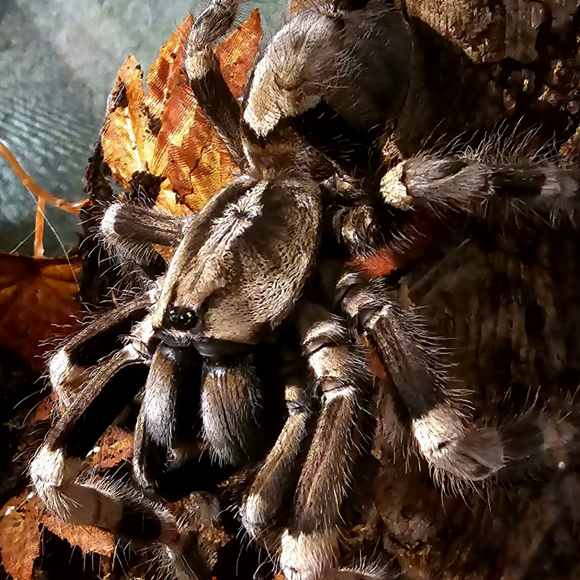
Species breeding reference
Breeding Notes
Poecilotheria miranda isn’t the easiest spider to breed, mainly because of their speed, strong defensive behaviour, and need for careful climate cues. Matching captive conditions to that first flush of summer humidity seems to help nudge both parties in the right direction. With patience, good prep, and a cautious hand, success is possible, but this species is best left to experienced keepers familiar with advanced arboreal breeding. Expect unpredictable moments and always keep safety and spider welfare first.
Wild Breeding Season
Reliable field data on wild breeding season is thin, but with their home climate swinging from dry to monsoon, breeding likely coincides with the onset or peak of the rainy season, when conditions are nice and humid.
Wild Environmental Triggers
Heavy summer rains and a noticeable boost in humidity mark the breeding period in the wild. The jump from dry to wet season often gets things going for this species, encouraging mating and sac production.
Native Climate Context
Poecilotheria miranda calls the humid, subtropical forests of northeast India home. Temperatures hover between 20–30°C year-round, but the real action happens when the monsoon floods in, raising humidity and soaking the landscape for weeks at a time. There's a dry patch most winters, but nothing truly cold.
Captive Breeding Window
Best chance in captivity is to pair after a cool-to-warm transition, raising humidity to mimic that first burst of the wet season. Late spring into early summer pairs well with the species’ natural climate, so aim to introduce mates before or as you start boosting humidity.
Pre-pairing Conditioning
Feed both spiders up well before attempting introductions and keep environmental stress low. A subtle increase in misting or a heavier water bowl schedule can prep your female for breeding by signalling more humid times ahead.
Male Introduction Guidance
Introduce the male during evening hours when both spiders are active. Give him plenty of web or hiding spots to retreat if things go south. Don't rush—let them take their time approaching each other. Supervise closely as Poecilotheria are quick and can be a bit feisty.
Female Readiness Signs
A well-fed, freshly moulted female who’s webbing more than usual and appears settled is likely to be receptive. Still, Poecs can be unpredictable, so patience and a backup plan for the male are key.
Post-pairing Conditions
Keep humidity up after a successful pairing, with warm stable temps and minimal disturbance. Offer the female good hides and keep her well fed, backing off any major enclosure cleaning or moves. Resist the urge to peek too often; let her settle in peace.
Sac Timeline
There’s not much species-specific data, but across the genus, females may lay a sac 4–8 weeks after mating, depending on season and temperature. Incubation tends to run another 6–8 weeks before spiderlings emerge if conditions are right.
Incubation Notes
Leave the egg sac with the female if you’re confident in her behaviour; Poecilotheria females can be decent mums if undisturbed. If you’re concerned, pulling the sac around day 30–35 for artificial incubation is an option—humidity is your friend, but don’t go overboard. Keep it damp but not dripping, with gentle airflow.
Expected Sling Count
Genus reports are wide; expect anywhere from 80 to over 150 spiderlings per sac in good conditions, though numbers can vary dramatically with Poecs.
Risks and Cautions
Pairing Poecs is always a bit of a rodeo—both speed and aggression are possible on either side. Cannibalism of the male is a real risk. Females stressed by environment or handling may eat the sac. Smooth introductions and low disturbance are vital. Beginners should steer clear unless they’ve already tackled easier arboreal species, as things can turn sharply in a blink.
Evidence confidence: Medium