

Breeding Notes
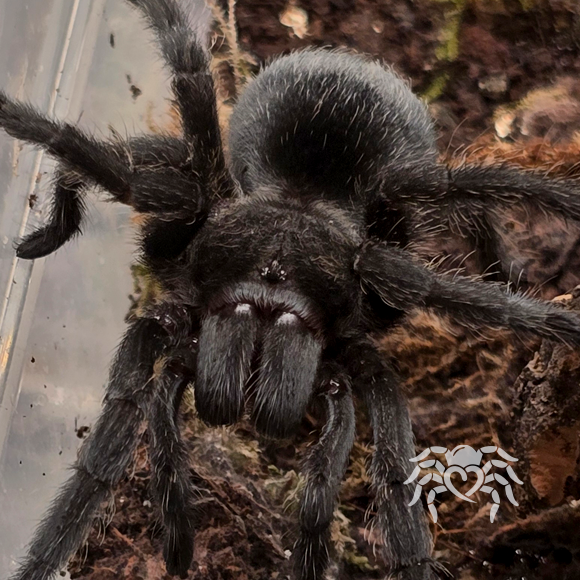
Grammostola pulchra
Brazilian black tarantula
Also known as: Brazilian black
Species-specific breeding guidance, seasonal context and practical caveats for experienced keepers.
Species breeding reference
Breeding Notes
Grammostola pulchra aren’t the hardest to breed but they aren’t foolproof either. Getting the right seasonal cues and a cooperative pair is your best bet, as is patience and attention to subtle changes in their behaviour. Success rates seem to improve with mature, well-rested females and a touch of seasonal fluctuation, so steady hands and realistic expectations go a long way. Lovely slings if you can get them—but don’t assume it’ll happen on your first go.
Wild Breeding Season
Wild Grammostola pulchra likely breed during the wetter, warmer months—think late spring into summer—when rainfall is high in southern Brazil and Uruguay. Exact months are uncertain without direct field studies, but the natural rainy season runs from late October to March.
Wild Environmental Triggers
In nature, seasonal rain and rising humidity seem to set the scene for romance, with spiders becoming noticeably more active and receptive once conditions are reliably damp and food is plentiful. A gentle rise in warmth, longer days, and an uptick in prey availability are all part of the script.
Native Climate Context
Grammostola pulchra comes from the subtropical south of Brazil and Uruguay, where the grasslands and forest edge see mild winters, warm summers, and a pronounced rainy season. Ambient temperatures typically range from 16 to 25°C across the year, with humidity sitting between 55–85% depending on month, peaking during the rainy season.
Captive Breeding Window
In the UK, the best shot at pairing is after a decent winter cooldown (down towards 18–20°C for a month or two) before gradually returning to mild warmth and slightly higher humidity in early spring. Aim to breed from February to April for conditions that echo their wild cycle.
Pre-pairing Conditioning
Prior to introductions, both the male and female should be well-fed and recently moulted. A slight seasonal cooling, followed by gradually rewarming and increased misting, sets the scene. Don’t let things get soggy; just ease up on dryness and keep the diet rich and varied throughout.
Male Introduction Guidance
Introduce the male after dusk, with plenty of webbing and hiding spots for both. Keep a divider handy if he seems too bold or she too uninterested. Stay present to monitor, as G. pulchra females can be unpredictable. If there’s leg drumming and mutual curiosity, let things play out, but separate at the first sign of hostility—you rarely get a second chance if it goes wrong.
Female Readiness Signs
Look for a freshly moulted and heavily webbed female who stays out in the open more than usual, occasionally tapping or responding to vibrations. A receptive female tends to tolerate the male’s approach and may vibrate or shift position to acknowledge him.
Post-pairing Conditions
Once mating is done, keep the female in a quiet, stable environment with slightly raised humidity and regular feeding. Avoid cleaning or disturbing her enclosure too much, as this can disrupt her instinct to build a sac. Reduce frequency of feeding after a few weeks but keep water topped up.
Sac Timeline
Egg sacs are usually produced within 6 to 12 weeks of a successful pairing, though reports do vary. Don’t panic if she takes her time—there’s quite a range, so patience is key.
Incubation Notes
Once the sac is laid, leave it with the female for at least 4 weeks if she remains attentive. You can artificially incubate after this point, but many keepers prefer to let her do the work barring obvious issues. Eggs typically develop into mobile slings in 6–8 weeks from laying, provided humidity and temperature remain steady.
Expected Sling Count
Egg sacs reportedly range from 100 to 250 spiderlings, though individual sacs can run smaller or larger—expect surprises, and never count your pulchras before they hatch.
Risks and Cautions
Females may eat the male during introductions, especially if under-conditioned or disturbed. False pregnancies and dud sacs aren’t uncommon, and egg retention can happen with sudden changes in humidity or temperature. Good records and close monitoring are essential; successful breeding isn’t a given, even for experienced hands.
Evidence confidence: Medium