

Breeding Notes
Aphonopelma anax
Species-specific breeding guidance, seasonal context and practical caveats for experienced keepers.
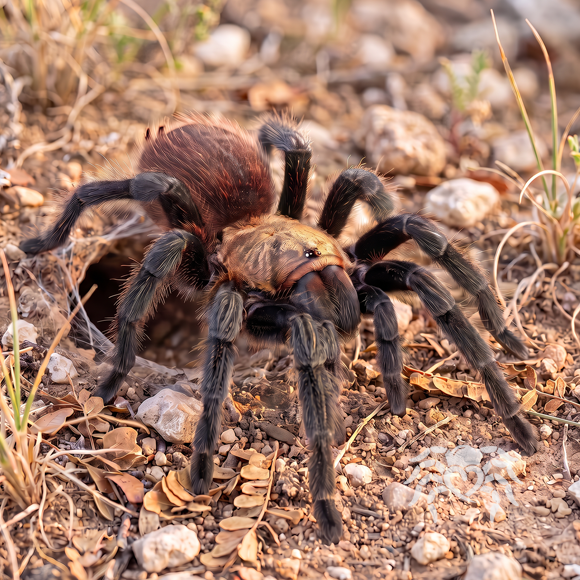
Species breeding reference
Breeding Notes
Breeding Aphonopelma anax is a bit of a waiting game, best suited to patient keepers who don’t mind a bit of uncertainty. Mimic late summer rain and autumn conditions, pair only fully mature animals, and expect a slow process. There’s a decent success rate with diligence, but it’s not among the easiest North American tarantulas to breed in captivity. Give it a go if you enjoy a challenge and have the time to let nature take its course.
Wild Breeding Season
Mature males are most often encountered wandering from late summer into autumn, hinting that this is the peak breeding window for wild Aphonopelma anax. However, exact timing may shift a bit year to year depending on local rainfall and temperatures.
Wild Environmental Triggers
Rainfall after periods of summer dryness, increasing humidity, and a touch of cooler weather seem to get these tarantulas in the mood. These are classic triggers in their patchy semi-arid grassland homes, prompting males to emerge and seek females.
Native Climate Context
A. anax comes from hot, dry lands in southern Texas and northern Mexico, where summers are toasty and often parched, but thunderstorms and cooler spells arrive from mid to late summer. Sudden moisture and a slight temperature dip after baking heat seems to tell them it's time to pair up.
Captive Breeding Window
Replicating late summer to early autumn with a gentle drop in temperature and a bit more humidity should help mimic their wild cues. In UK conditions, try pairing from August to October, but remain flexible for individual timing.
Pre-pairing Conditioning
Give both spiders a period of well-fed peace and a slight bump in humidity before introductions – think along the lines of a summer rain, but not a flood. Make sure the substrate is dry but not dusty, letting the female feel right at home and well settled. Let both reach full maturity before entertaining any matchmaking.
Male Introduction Guidance
Drop the male in after dusk and watch closely – A. anax is not particularly aggressive, but don’t let your guard down. Start with a clear, roomy enclosure and plenty of places for the male to make a retreat, just in case. Remove him at the first sign of trouble or if the female isn’t interested.
Female Readiness Signs
A receptive female is generally relaxed in her burrow, often remaining at the entrance and not showing defensive or skittish behaviour towards the male’s advances. If she’s pacing, drumming, or showing mild curiosity without aggression, you’re likely on the right track. Obvious threat posture or attempt to flee means she’s not feeling it.
Post-pairing Conditions
After pairing, keep things steady: maintain that Goldilocks humidity (not too wet, not bone dry) and don't shake up her enclosure. Feed the female generously and resist digging around – her privacy is key if you want an eggsac. Any changes in temperature or humidity should be gradual; consistency is your friend from here on out.
Sac Timeline
There’s a fair bit of variance, but expect an eggsac to appear anywhere from 6 to 12 weeks after a successful pairing, occasionally sooner or later depending on the individual and her conditions. Be patient – this species plays the long game.
Incubation Notes
Leave the sac with the mother if possible. If you must pull it, do so only once it has developed for at least a month. The warmth of her burrow and stable humidity are more reliable than most gadgets can manage. Sling emergence usually follows at around two months, but this is a broad average and will depend on environmental quality.
Expected Sling Count
Clutches can vary wildly, but somewhere between 100 and 300 youngsters is a reasonable guess, based on reports from similar North American Aphonopelma species. Don’t bet the house – individual output swings a lot!
Risks and Cautions
Eggsacs may be eaten if the female is stressed or disturbed, and males can be at risk if introductions go poorly. Humidity spikes or soggy substrate can ruin eggsacs. This species often refuses to pair if the timing or environment is off, so patience and careful mimicry of wild cues are especially important.
Evidence confidence: Medium